From Kibera Courts to National Glory: How Grassroots Movements Built Nairobi's Sporting Dreams
Behind every roaring crowd at Kasarani Stadium lies a quiet revolution in community sports that's reshaping how young Nairobians discover their potential.
Behind every roaring crowd at Kasarani Stadium lies a quiet revolution in community sports that's reshaping how young Nairobians discover their potential.
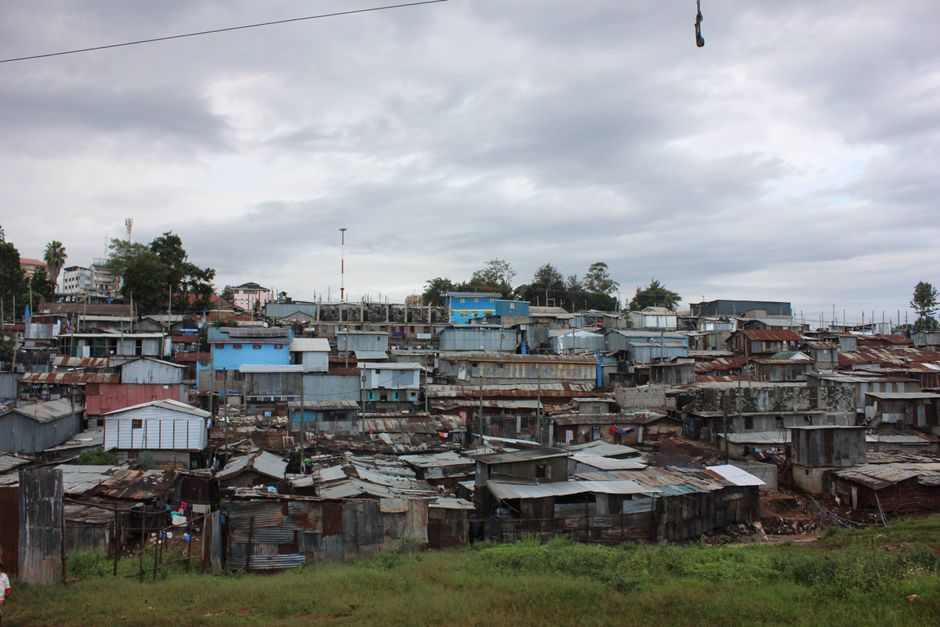
Walk through the narrow passages of Kibera on any Saturday morning, and you'll find something remarkable: makeshift basketball courts fashioned from salvaged wood and netting, volleyball games on compacted earth, and children chasing footballs through alleyways that tourists never see. This is where Nairobi's sporting revolution begins—not in the gleaming facilities of Kasarani Stadium or the manicured pitches of the Nairobi Club, but in the neighbourhoods where opportunity is scarce and determination is everything.
The grassroots sports movement across Nairobi has quietly transformed how young people access athletic development. Organisations operating in Mathare, Korogocho, and Eastleigh have created networks that bypass traditional barriers of cost and privilege. A youth football programme in Mathare charges as little as 200 shillings monthly—roughly the price of two meals—yet produces players who now compete at county and national levels. These aren't accidental success stories; they're the result of systematic community investment.
"Community sports organisations are the real backbone," explained one coach working in South B, who has mentored over 150 young athletes into competitive frameworks. The infrastructure gap is real: while Nairobi hosts world-class venues like the Moi International Sports Centre Kasarani and the state-of-the-art facilities at Safaricom Stadium, an estimated 65% of Nairobi's youth population lacks regular access to formal sporting infrastructure. That's where neighbourhood associations step in.
Groups like those operating from Dandora, Huruma, and Kawangware have built sustainable models. They partner with schools, utilise public spaces creatively, and establish mentorship pipelines that connect young talent with coaching networks. The impact is measurable: participation in organised grassroots athletics across Nairobi has grown by approximately 40% over the past three years, according to reports from community development organisations.
Yet challenges persist. Most grassroots programmes operate with minimal funding, relying on volunteer coaches and improvised equipment. A typical neighbourhood centre manages operations on budgets of 50,000 to 100,000 shillings monthly—barely enough for basic maintenance, let alone equipment upgrades or coach training.
What's undeniable is this: when capacity crowds fill Kasarani for national championships or when Nairobi youth compete at East African events, many of those athletes have emerged from community courts in Kawangware, Kibera, or Kariobangi. The stadiums get the glory, but the grassroots movements built the champions. As these community networks continue expanding, they're proving that sporting excellence doesn't require marble facilities—it requires belief, access, and a neighbourhood that believes in its young people.
This article was compiled by AI from the sources linked above and screened before publishing. See our editorial standards.
How does this story make you feel?
Spread the word
About this article
Published by The Daily Nairobi
Daily brief
Free, in your inbox before 7am. Weekdays.
More in Sport