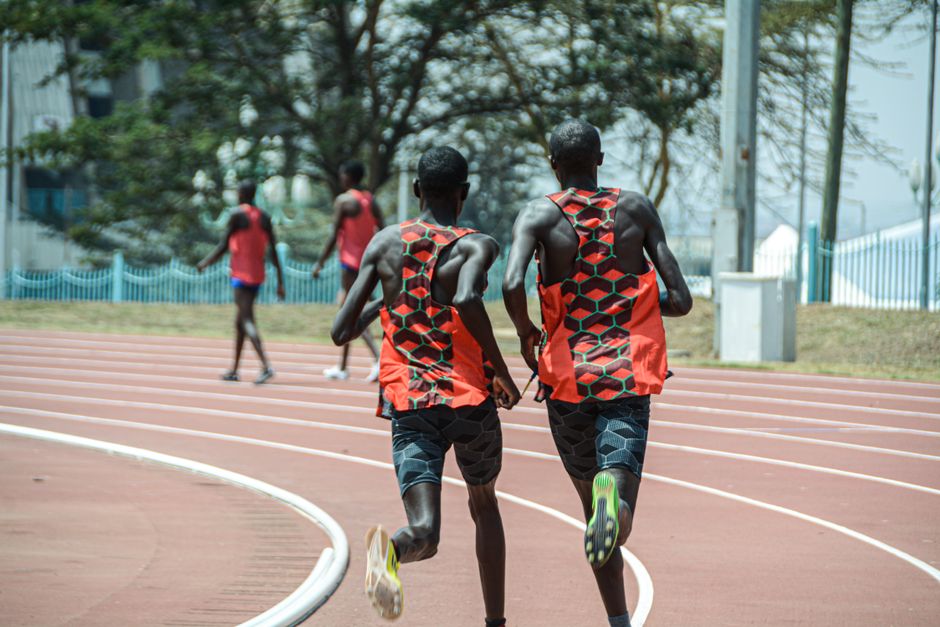
Every morning before dawn breaks over the Ngong Hills, clusters of runners gather at Karura Forest's main gate, their silhouettes barely visible in the half-light. These aren't sponsored athletes preparing for international circuits. They're teachers, traders, nurses and students—part of a quietly powerful grassroots movement reshaping endurance sport across Nairobi's neighbourhoods.
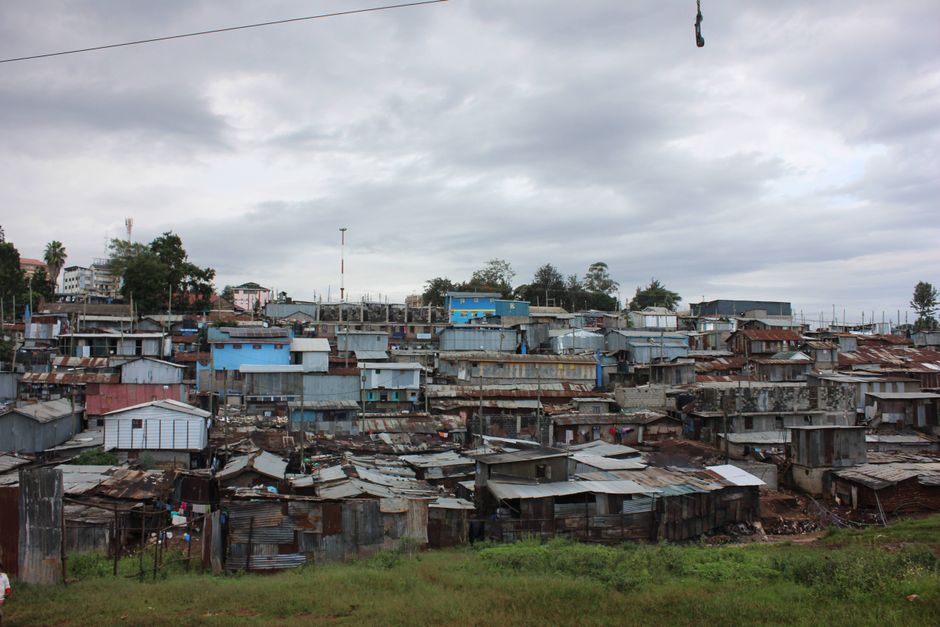
The numbers tell a compelling story. Community running clubs have grown from roughly twelve registered groups in 2020 to over eighty across Greater Nairobi today. Cycling collectives, many operating from informal spaces in Eastleigh, South B and around the Industrial Area, have expanded membership by 340 percent in the past three years. Triathlon entry-level programmes, once the exclusive domain of upscale sports centres, now operate in Makadara, Kasarani and even Mathare Valley.
What's driving this explosion isn't marketing or corporate sponsorship. It's necessity, community and proximity. A membership at the Valley Sports Club costs upwards of Ksh45,000 annually—unaffordable for most Nairobians earning median incomes. By contrast, grassroots running clubs operating from Upperhill, Kilimani and around the Nairobi River greenways charge nothing or request nominal monthly contributions of Ksh500-1,000. Cycling groups using industrial parks and riverside paths operate on similar principles.
The movement's infrastructure is decidedly unglamorous but effective. WhatsApp groups serve as registration hubs and training coordinators. Local sports shops sponsor water stations at Ngong Road Forest Sanctuary and Limuru Road routes. Volunteer coaches—many self-taught through online resources and mentorship chains—lead structured sessions three to four times weekly. One Embakasi-based triathlon collective has trained over 200 residents for their first sprint-distance races using Nairobi Dam and improvised cycling circuits.
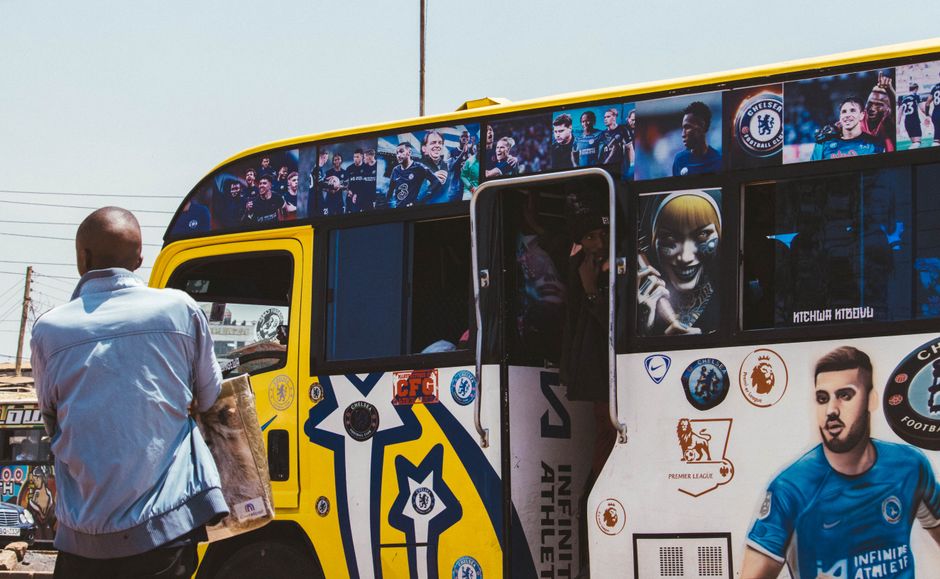
Community organisers emphasize inclusion over performance metrics. Training groups deliberately mix fitness levels, ages and backgrounds. A Tuesday evening running session at Uhuru Park typically includes investment bankers alongside matatu drivers, retirees and college athletes. This democratization represents a fundamental shift: sport as social glue rather than status symbol.
The movement isn't without challenges. Poor street lighting deters evening participants along some routes. Nairobi's traffic congestion complicates safe cycling infrastructure. Access to quality coaching remains limited outside central zones. Yet despite these constraints, the momentum continues building—testimonies from participants highlighting improved health, expanded social networks and renewed confidence.
As Kenya's reputation for elite distance running endures globally, these grassroots networks hint at a parallel transformation: thousands of ordinary Nairobians discovering that endurance sport belongs to them too, not merely to Olympic podiums or international marathons.
This article was compiled by AI from the sources linked above and screened before publishing. See our editorial standards.