Walk down Ngong Road on any Saturday morning and you'll find the grounds near the junction with Argwings Kodhek Street buzzing with activity. Here, tucked between the sprawling urban landscape, local football academies are training the next generation of Kenya's athletes—while simultaneously anchoring their communities in ways that extend far beyond the 90-minute match.
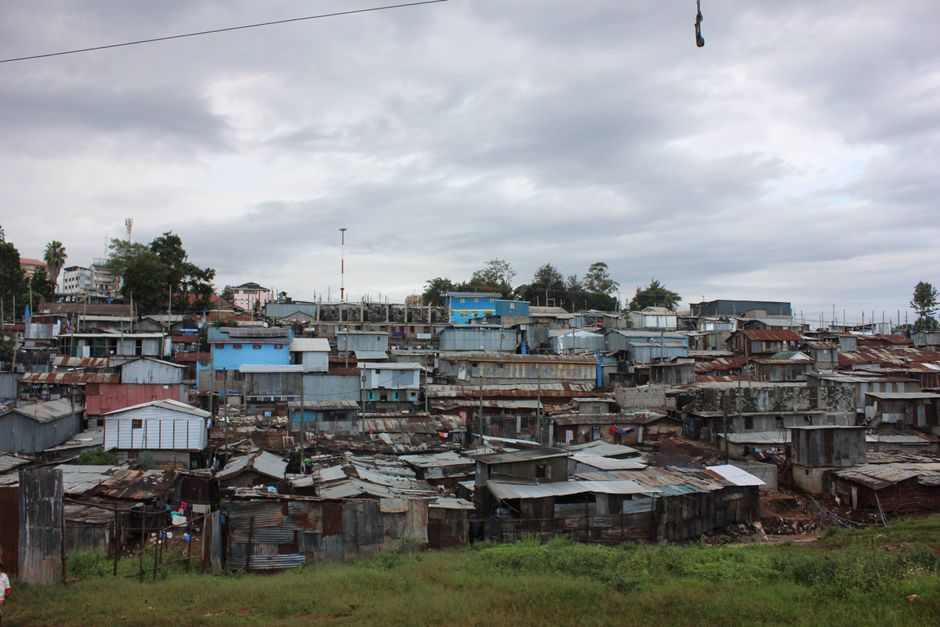
The story of Nairobi's sporting renaissance isn't written in the gleaming corridors of Nyayo Stadium or the Safaricom Stadium in Kasarani. It's being penned on the dusty pitches of Kibera, the organised grounds of Parklands, and the emerging facilities across Eastleigh and Mathare. Over the past three years, more than forty community-based sports clubs have registered with the Nairobi County Sports Association, representing a 65 per cent increase in grassroots participation since 2023.
These clubs have become unlikely anchors of social cohesion. At the Nairobi Youth Sports Foundation's facility near South B, for instance, membership fees average 800 shillings monthly—affordable enough that families across economic strata can participate. The organisation now serves over 2,500 registered members, with 40 per cent coming from informal settlements. More significantly, 73 per cent of their youth participants remain enrolled in secondary school, compared to the city average of 61 per cent.
The model is replicating across neighbourhoods. In Kawangware, the Saba Saba Community Football Club has partnered with local schools to create talent pipelines while offering nutritional support to young players. In Westlands, rugby clubs centred around the David Whitaker Rugby Grounds have become gathering spaces where corporate professionals mentor township youth, creating unexpected bridges across Nairobi's economic divides.
Venue infrastructure has improved markedly. The Nairobi City Council's investment in refurbished community grounds—particularly in Kasarani, Makadara, and around the Dandora neighbourhood—has reduced the cost barrier for club establishment. What previously required access to private facilities can now happen on maintained public pitches charging nominal hourly rates.
The impact transcends statistics. These clubs provide structure, mentorship, and pathways to professional sport. But equally important, they've become spaces where young Nairobians, regardless of background, encounter one another as equals. In a city often fractured by geography and inequality, the local sports club remains one of the most democratic institutions on offer.
As international tournaments bring global attention to Nairobi's stadiums, it's these grassroots movements that may ultimately prove the city's greatest sporting legacy.
This article was compiled by AI from the sources linked above and screened before publishing. See our editorial standards.