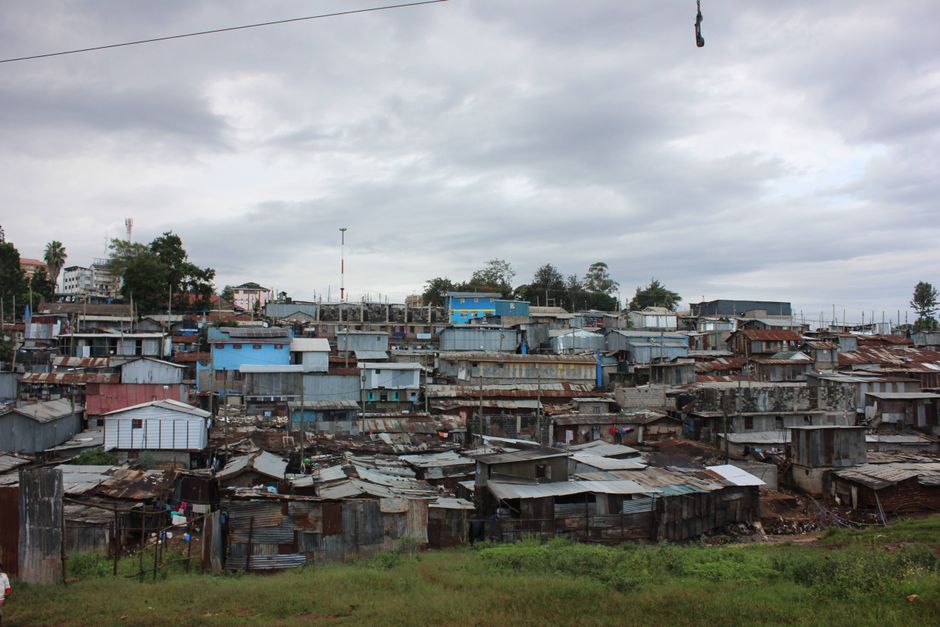
Walk through the narrow lanes of Kibera on any Saturday morning, and you'll find them: clusters of young Nairobians performing burpees on compacted earth, their trainer shouting encouragement in Sheng. What began three years ago as a handful of friends exercising in a cramped Gatwekera alley has blossomed into a network of over 200 grassroots fitness collectives across Nairobi's informal settlements and lower-income suburbs.
These aren't your typical gym spaces. At KSh 500 per month—a fraction of the KSh 3,500 to 8,000 charged by conventional gyms in Westlands and Upper Hill—community fitness groups in Mathare, Korogocho, and Kangemi are democratising access to structured training. Dumbbells fashioned from concrete and PVC pipe, suspension rigs made from sturdy rope, and bodyweight circuits have become the toolkit of choice.
"The formal fitness industry wasn't designed for us," explains one organiser from a collective operating near the Nairobi River in Eastleigh. "But people still want to transform their bodies, build discipline, and belong to something meaningful. We created that space."
The movement has momentum beyond survival necessity. Recent data from the Nairobi Youth Alliance suggests that community-based fitness participation has grown 340% since 2023, with women comprising 44% of participants—a demographic often underrepresented in commercial gyms due to safety and affordability concerns. Groups now operate from Dandora to Rongai, with early mornings before work and evening sessions drawing factory workers, street vendors, and students alike.
What distinguishes these collectives from improvised workout spots is their structure. Many now employ certified trainers who've taken online coaching courses, implement periodised training programmes, and foster accountability through WhatsApp group check-ins and monthly progress challenges. Some have even begun hosting inter-neighbourhood competitions, creating a genuine sporting culture where camaraderie matters as much as personal records.
The trend hasn't gone unnoticed by mainstream fitness operators. A handful of commercial gyms have begun partnering with community groups, offering subsidised memberships and equipment donations—a recognition that the future of Nairobi's fitness landscape depends on inclusivity, not exclusion.
Yet challenges remain. Most collectives operate without formal registration, leaving them vulnerable to land disputes and zoning complications. Consistency of coaching quality also varies significantly across the network.
Still, the grassroots movement represents something profound: a rejection of the notion that transformation requires wealth, and a belief that community, discipline, and determination—the true fundamentals of sport—are available to everyone.
This article was compiled by AI from the sources linked above and screened before publishing. See our editorial standards.