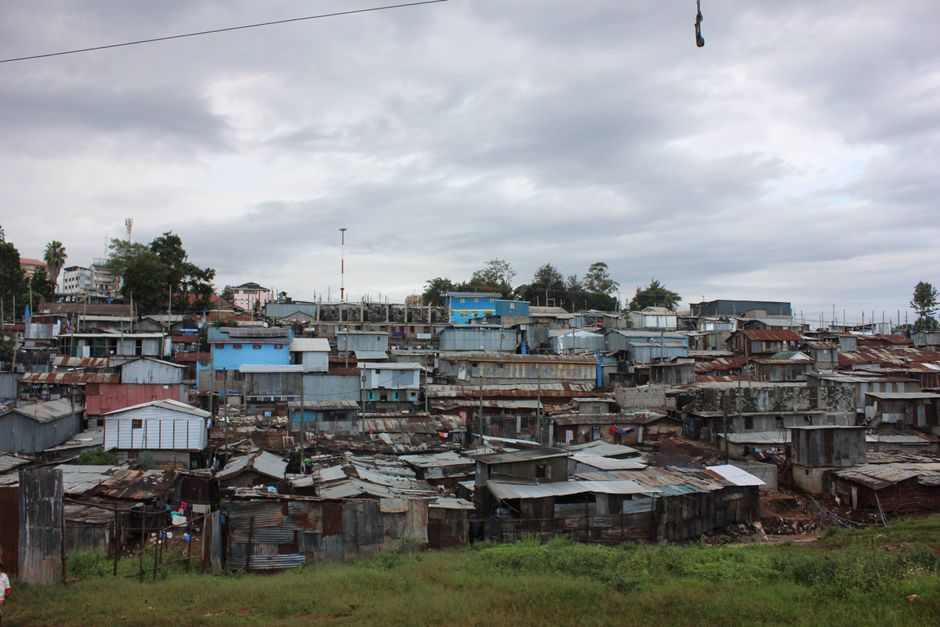
On a Tuesday evening in Mathare, as the sun dips behind the skyline, dozens of teenagers gather on a half-cleared pitch near the junction of First Avenue and River Road. They have no official uniforms, no sponsorship banners, and no air-conditioned facility—but they have something more valuable: a community-run sports club that has quietly become a pipeline for athletic talent across Nairobi's sprawling neighbourhoods.
This is the reality of grassroots sport in Kenya's capital. While international media celebrate Kenya's distance-running dominance and emerging esports scene, the true foundation of the nation's sporting culture is being built in dusty courtyards, community centres, and repurposed spaces across Eastlands, Mathare Valley, Kibera, and Kawangware. These clubs operate on shoestring budgets—many charging between 500 and 1,500 shillings monthly membership fees—yet they serve as the crucial first rung on the ladder for thousands of young athletes.
According to community sports coordinators interviewed across the city, at least 340 informal youth sports clubs now operate across Nairobi's informal settlements and lower-income estates. These aren't slick corporate initiatives; they're volunteer-driven ecosystems where retired athletes coach part-time, parents fundraise for equipment, and teenagers mentor younger siblings. The Nairobi Youth Sports Alliance estimates that these grassroots organisations directly engage over 18,000 young people annually in structured athletic development.
The impact is measurable. Several athletes who competed at the 2024 Kenya National Championships got their start in these neighbourhood clubs. Training facilities vary wildly—some groups use school grounds after hours, others have negotiated access to church compounds or community centres in areas like Kasarani and Embakasi. Investment per athlete is minimal, yet outcomes frequently punch above their weight.
What makes these clubs remarkable is their resilience. They weather inconsistent municipal support, limited corporate sponsorship, and the perpetual challenge of retaining young people who face competing demands—school fees, family obligations, and the temptation of informal economy alternatives. Yet coordinators report growing momentum. In the past three years, several neighbourhood clubs have formalized into registered associations, improving their capacity to source grants and equipment donations.
For many Nairobi youth, these grassroots organisations represent more than sport. They're safe spaces, character-building platforms, and genuine pathways to opportunity. As the city's sporting ambitions expand, the real story isn't found in stadium headlines—it's in the determination of coaches and athletes who are building Kenya's sporting future, one neighbourhood at a time.
This article was compiled by AI from the sources linked above and screened before publishing. See our editorial standards.