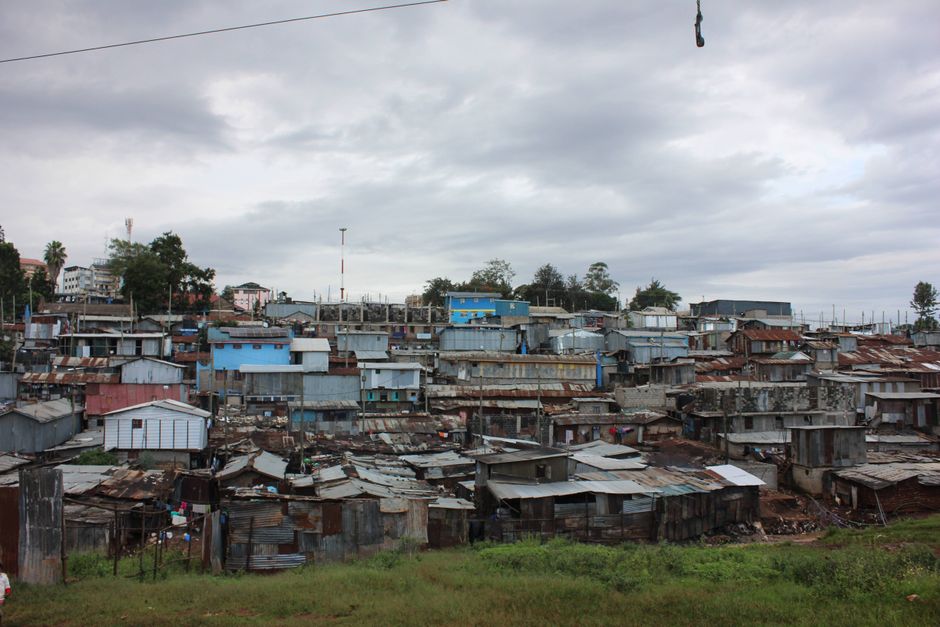
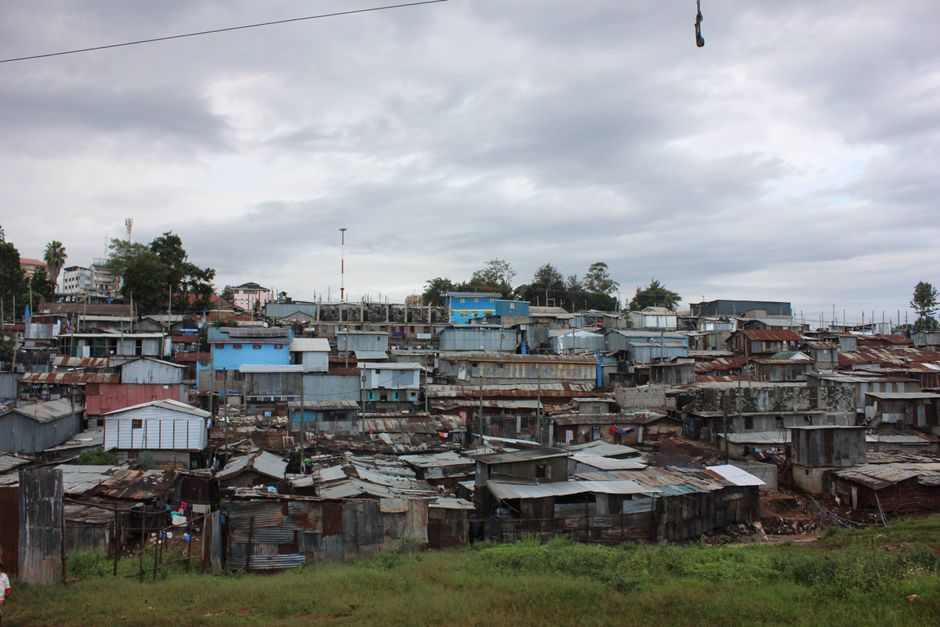
On a Saturday morning in Kibera, as the sun climbs over the sprawling settlement's corrugated iron rooftops, dozens of teenagers gather on a pitch no larger than half a standard football field. The surface is packed earth, the goals are fashioned from plastic piping, and yet the energy is unmistakable. This scene, replicated across informal settlements from Mathare to Korogocho, represents the beating heart of Nairobi's grassroots football revolution.
Over the past three years, community-based organisations operating in Nairobi's poorest neighbourhoods have mobilised more than 12,000 young players into structured leagues and development programmes. Unlike the polished academies that dot affluent areas like Westlands and Karen, these initiatives work with what they have: passion, limited resources, and an unwavering commitment to giving youth an alternative to street life.
"We charge 50 shillings per player per season," explains one community coordinator working in Mukuru. "That's about 30 US cents. We use those fees to maintain the pitch and buy basic equipment. Everything else comes from volunteers and local shop owners who donate what they can." The model, replicated across at least 15 informal settlements, has proven remarkably sustainable.
The Nairobi County Football Association reports that grassroots participation has nearly doubled since 2023, with women's participation growing fastest. Girls' football leagues in Dandora and Eastleigh now feature teams with waiting lists. The social impact extends beyond statistics: schools in participating areas report improved attendance rates, while local stakeholders cite reduced youth crime incidents.
What distinguishes this movement is its deliberate structure. Unlike ad-hoc kickabouts, community programmes enforce age-group divisions, maintain player databases, and coordinate with county officials. The Kasarani Sports Centre and Nyayo Stadium occasionally host inter-settlement tournaments, creating pathways for talented players to gain visibility.
Challenges remain acute. Pitch maintenance remains expensive; injuries go largely untreated due to limited medical support; and opportunities for progression to professional ranks remain narrow. Yet the momentum is undeniable. Recently, several grassroots players featured in Kenyan Premier League scouts' shortlists, validating what community organisers have long known: talent exists everywhere in Nairobi—it simply needs investment and structure.
As Nairobi positions itself as East Africa's sports capital, these dusty pitches tell a quieter but equally compelling story: that organised football at grassroots level doesn't require corporate sponsorship or manicured facilities. It requires only commitment from communities themselves.
This article was compiled by AI from the sources linked above and screened before publishing. See our editorial standards.