Walk past the Nairobi River improvement project in Mathare Valley on any weekday morning, and you'll find them: dozens of runners, cyclists, and fitness enthusiasts moving in unison across the reclaimed green spaces. This isn't an organized race. It's a grassroots movement that has fundamentally altered how thousands of Nairobians engage with fitness culture.
The shift away from traditional, membership-heavy gyms toward community-driven training has accelerated dramatically over the past two years. According to fitness instructors working across informal settlements and middle-income estates, participation in outdoor and community-based programmes has grown by nearly 40 per cent since 2024. Unlike the Ksh 3,000-5,000 monthly fees at premium facilities in Westlands and Karen, these neighbourhood initiatives operate on donation-based or zero-cost models, democratizing access to professional coaching.
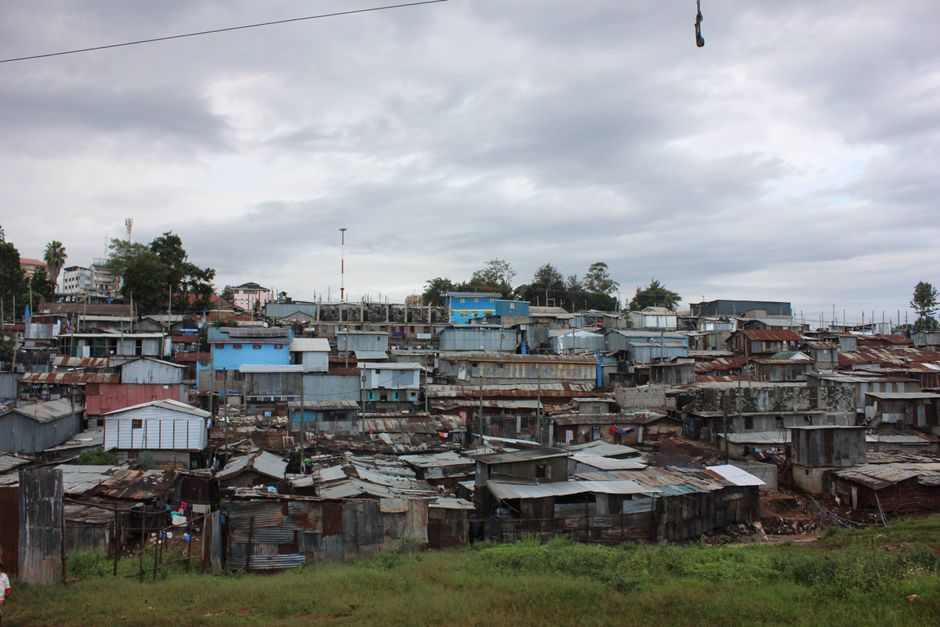
In Kibera, Korogocho, and Mukuru, volunteer-led training circles have emerged as vital social infrastructure. Groups meet at dawn in public spaces—football pitches, cleared patches near markets—guided by community members who've undertaken basic fitness certification through NGO partnerships. The Kenya Red Cross and local community health workers have integrated fitness programming into their broader wellness initiatives, recognizing that preventive health through movement matters as much in dense urban settlements as it does in affluent neighbourhoods.
The momentum extends to more established areas. In South B and Kilimani, young professionals are organizing weekend trail runs through the Ngong Hills, combining fitness with environmental advocacy. These aren't exclusive clubs; participation is open, often promoted through WhatsApp groups and neighbourhood Facebook pages. The democratization reflects a broader shift: fitness is no longer primarily a commodity for those who can afford premium boutique studios.
What drives this transformation? Partly economics—gym closures during the pandemic left many without facilities. But equally important is community: these grassroots programmes build social cohesion alongside physical fitness. A runner training in Eastleigh isn't just improving cardiovascular health; they're part of a collective, accountable to neighbours and friends.
Industry observers note this challenges traditional fitness businesses to adapt. Several mid-range gyms have relocated from expensive commercial districts to neighbourhood hubs in Nairobi, reducing costs and increasing accessibility. Meanwhile, fitness professionals—personal trainers, coaches, nutritionists—increasingly offer services in community settings rather than high-end facilities.
The trend reflects a deeper truth about Nairobi's urban fabric: sustainable wellness emerges not from top-down commercialization, but from neighbours committed to shared health. As these grassroots movements mature, they're redefining what fitness culture means across the city.
This article was compiled by AI from the sources linked above and screened before publishing. See our editorial standards.