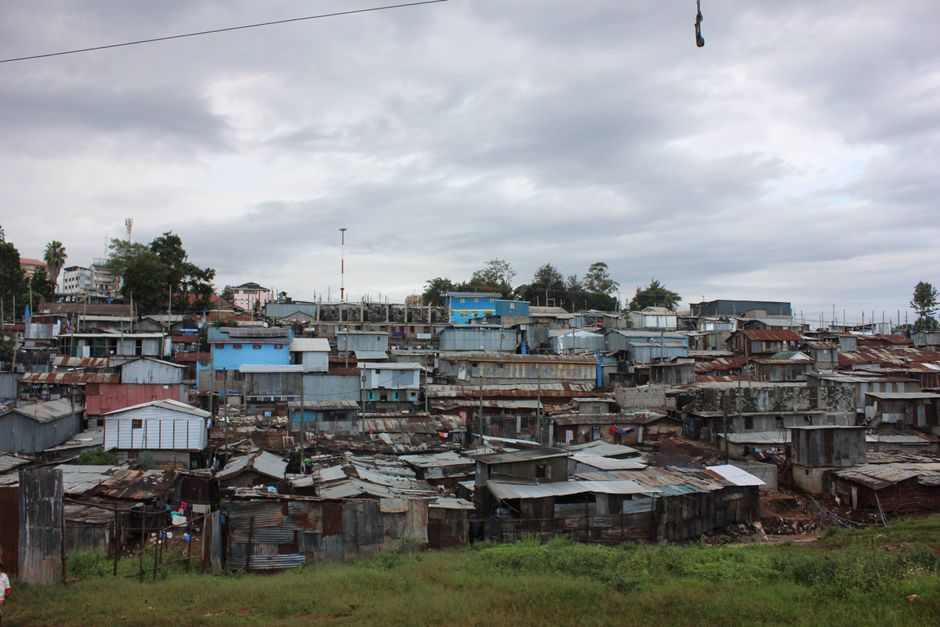
Walk through the dusty pitches of Kibera on a Saturday morning, and you'll find something that professional stadiums often lack: raw passion matched with tangible community purpose. Over the past 18 months, grassroots football clubs across Nairobi have transformed from informal Sunday kickabouts into structured organisations that are reshaping how the city engages with sport.
Mathare United's community development programme, centred around the historic Kasarani Stadium corridor, now serves over 400 young players annually. Yet the real story lies beyond the pitch. Clubs operating in informal settlements—from Korogocho to Kangemi—have become de facto youth centres, offering structure, mentorship, and pathways away from street life. The investment required remains modest: most neighbourhood teams operate on shoestring budgets of 50,000 to 150,000 shillings per season, sourced through local sponsors and fundraising events.
"Football is the language we all speak," explains one community organiser working across East Nairobi, speaking on condition of anonymity due to security concerns. What began as informal competitions has evolved into the Nairobi Community Football League, a network encompassing 47 clubs across all eight sub-counties. Registration costs only 5,000 shillings per team, making participation accessible to residents of even the most economically challenged neighbourhoods.
The impact extends beyond athletics. Clubs in Westlands, Parklands, and Kawangware have integrated financial literacy workshops and mental health support into their programmes. Kilimani-based FC Unity reported that 89 percent of their youth players—averaging 200 participants—attended school consistently after joining the club three years ago, compared to a baseline of 62 percent.
Match days themselves have become cultural anchors. Fixtures at Muthangari Stadium on Ngong Road regularly draw 2,000 to 4,000 spectators, generating revenue for local vendors and reinforcing neighbourhood identity. Even clubs without formal venues—training instead on public grounds near Nairobi River or in clearings off Thika Road—maintain fierce local followings.
The sustainability question remains real. Unlike Kenya's established professional clubs, these organisations operate without major corporate backing or television rights. Yet their organic growth suggests something deeper: communities recognising football as essential infrastructure, not luxury entertainment. With Kenya's football ecosystem increasingly fragmented, Nairobi's grassroots clubs are proving that the sport's real power lies not in headlines or trophy cabinets, but in the daily choice of young people to show up, belong, and build something together.
This article was compiled by AI from the sources linked above and screened before publishing. See our editorial standards.