Nairobi's sporting landscape has undergone a remarkable transformation over the past three years, with significant capital investment in venues and infrastructure that now rival facilities across the African continent. The city's commitment to hosting major international competitions has sparked a building boom that extends far beyond the traditional heartlands of Kasarani and Nyayo Stadium.
Nyayo Stadium, the 60,000-capacity venue nestled in the Milimani neighbourhood near the Kenya Tennis Club, underwent a comprehensive KES 2.8 billion renovation completed in 2024. The facility now boasts modern floodlighting systems, upgraded changing rooms, and expanded media facilities—infrastructure that hosted the African Athletics Championships last month and continues to draw continental-level competitions.
Meanwhile, the Kasarani Sports Complex, located along the Mombasa Road corridor, has expanded aggressively. Beyond the main 60,000-capacity stadium, the facility now operates five dedicated training grounds, a 50-meter Olympic pool, and a modern velodrome completed in 2025. These additions position Kasarani as a multi-sport hub capable of hosting simultaneous events—a critical advantage when bidding for major tournaments.
Private investment has equally transformed Nairobi's sporting infrastructure. The newly opened Serena Sports Complex in Westlands now features an 8,000-seat multipurpose arena, three world-standard tennis courts, and a state-of-the-art gymnasium equipped with equipment meeting IOC specifications. Member fees range from KES 45,000 to KES 150,000 monthly, reflecting the premium positioning of such facilities.
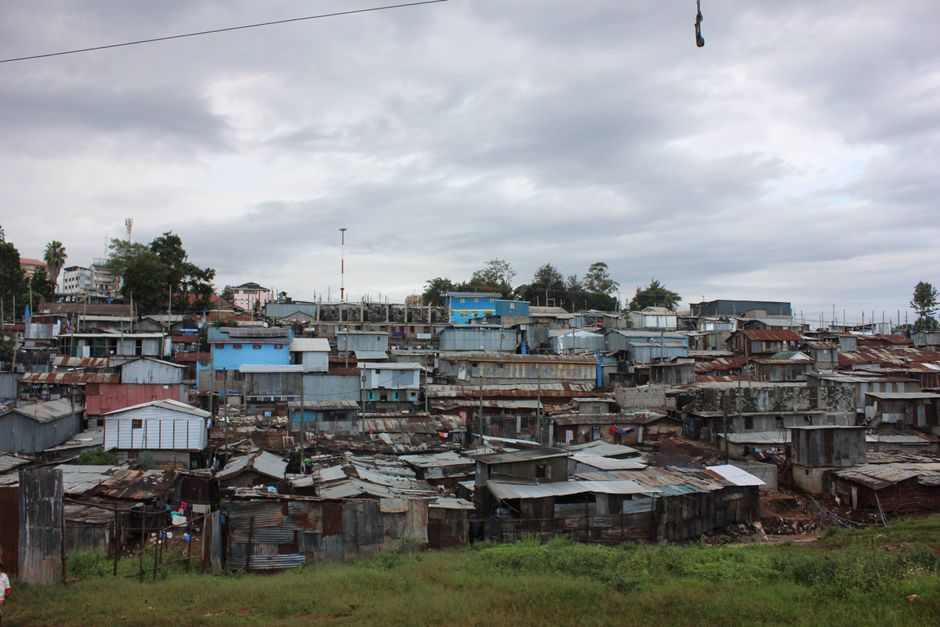
Community-level infrastructure has not been neglected. The Nairobi City County has invested KES 800 million in upgrading 47 neighbourhood sports grounds across Kibera, Mathare, Eastleigh, and Karen. These facilities—equipped with synthetic tracks, basketball courts, and changing rooms—now serve as talent identification pipelines feeding into Nairobi's elite training centres.
The Moi International Sports Centre in Kasarani remains pivotal, hosting everything from rugby matches to badminton championships. Its recent renovation included digital scoreboarding and enhanced spectator seating, accommodating 15,000 fans across multiple venues within the complex.
However, challenges persist. Transport connectivity to these venues remains problematic, with limited public transit on the Mombasa Road route serving Kasarani during major events. Water and electricity infrastructure at neighbourhood grounds requires ongoing maintenance despite recent upgrades.
Despite these hurdles, Nairobi's sporting infrastructure now positions the city confidently within East Africa's upper tier. City planners project an additional KES 3.2 billion investment over the next two years, including a new aquatics centre in Kilimani and expanded facilities at the Nairobi National Park sports grounds. For a city increasingly asserting itself as Africa's sporting capital, these investments represent both ambition and necessity.
This article was compiled by AI from the sources linked above and screened before publishing. See our editorial standards.