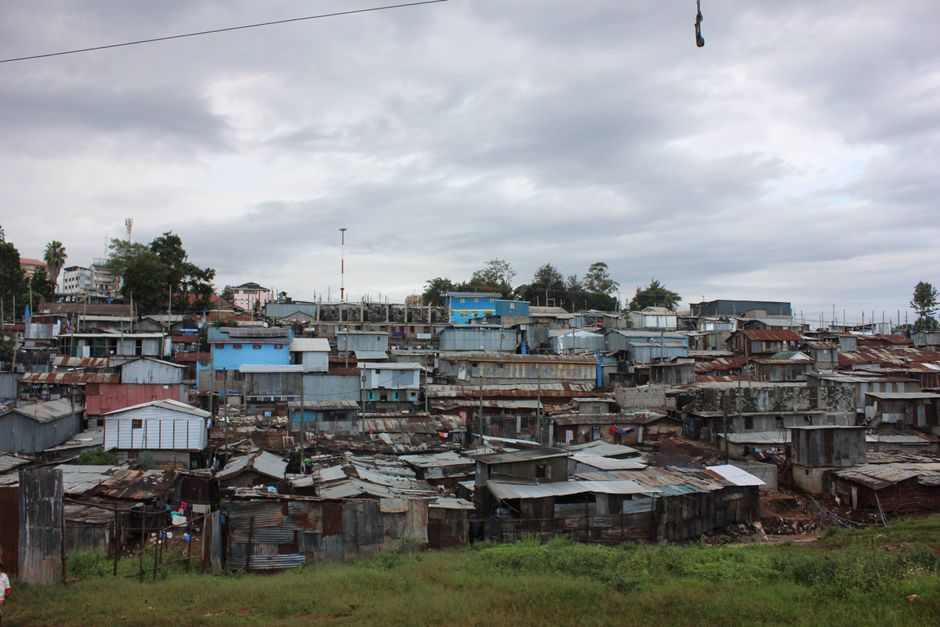
Mathare United's youth academy has become a beacon for grassroots football development in Nairobi, with the Eastlands-based club reporting a 340% increase in registered youth players over the past two years—a trajectory that reflects both crisis and opportunity in how the city nurtures its next generation of athletes.
Operating from their base near Mathare Social Hall on Lusaka Road, the club now runs four age-group divisions spanning under-10 to under-17 categories, with nearly 800 youth players rotating through weekly training sessions. Annual membership costs just 2,500 shillings for most categories, deliberately pitched to keep the programme accessible to families across the informal settlements and lower-income neighbourhoods of Eastlands, Kayole, and Kasarani.
"We've seen kids who started with us three years ago now attracting interest from Premier League clubs," says the academy's technical director. The development pathway feeds into Mathare United's senior squad, which competes in Kenya's second tier, creating a rare domestic model where neighbourhood talent can realistically reach professional football without requiring family wealth or connections.
The academy's expansion follows a broader trend in Nairobi's grassroots sport sector. Unlike elite football academies clustered around Westlands and Upper Hill—where training fees exceed 15,000 shillings monthly—Mathare's model prioritizes volume and accessibility. Weekly training runs Tuesday through Saturday across three satellite pitches, including a partnership with Makadara Sports Ground.
Data from Kenya Football Federation shows that Nairobi accounts for roughly 60% of the country's organized youth football registrations, yet participation remains heavily skewed toward wealthy suburbs. Mathare United's approach is actively rebalancing that equation. The club has also introduced weekend coaching clinics in partnership with St. Pancras School in Mathare, reaching children who lack formal club affiliation.
Infrastructure remains the persistent challenge. Most training occurs on semi-compacted earth rather than proper pitches—a reality mirrored across Nairobi's grassroots clubs. Yet the club's investment in volunteer coaching development and basic equipment suggests sustainability. This month alone, they've trained 23 new community coaches from the surrounding area, embedding football development within local employment.
For Nairobi's youth sport ecosystem, Mathare United's expansion signals what's possible when clubs prioritize accessibility over profit margins. As the city's population continues to grow—with youth comprising over 40% of Nairobi's 4.7 million residents—such grassroots pathways will determine whether football talent flows toward professional pipelines or remains trapped in informal, talent-wasting obscurity.
This article was compiled by AI from the sources linked above and screened before publishing. See our editorial standards.