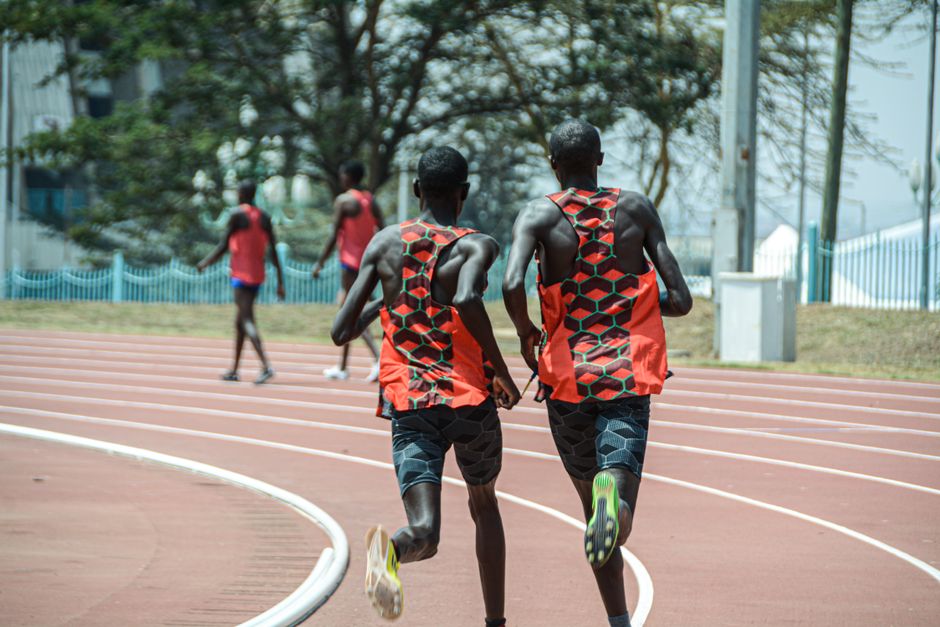
For decades, Nairobi's runners dominated global marathons by training on dirt tracks and potholed roads. Today, the city's approach to endurance sport infrastructure is fundamentally changing—and the results are proving that professional-grade facilities elevate performance across running, cycling, and triathlon disciplines.
The completion of the Nairobi Cycling Master Plan in 2024 marked a watershed moment. Dedicated bike lanes now stretch along key arterial routes: Waiyaki Way towards Westlands, stretches of the Southern Bypass near Industrial Area, and newer segments connecting Upper Hill to Kilimani. These aren't afterthoughts painted on crumbling asphalt. They represent Ksh 800 million in municipal investment designed specifically to accommodate the 40,000-plus recreational and competitive cyclists estimated to ride Nairobi's streets weekly.
The Nairobi Sports Club in Ngong Road remains the gold standard for traditional facilities, but accessibility has broadened dramatically. The Karen Blixen Sports Centre now hosts regular triathlon-format training sessions on weekends, while Athi River's emerging athletic complex—situated roughly 35 kilometres south of the CBD—offers both a 400-metre track and an open-water swimming venue previously unavailable within reasonable commuting distance of the capital.
Private operators have seized the infrastructure gap. Fitness centres across Westlands, Kilimani, and Parklands now feature dedicated spin studios, altitude treadmills, and recovery zones that cater to serious endurance athletes. Monthly memberships range from Ksh 3,500 to Ksh 12,000 depending on amenities—significantly cheaper than comparable facilities in regional hubs like Dar es Salaam or Kampala.
The Green Park initiative, launched in partnership with Nairobi City County, has transformed under-utilised green spaces into running loops. Uhuru Park's perimeter path, once neglected, now accommodates morning and evening running cohorts numbering in the hundreds. Similar improvements at Karura Forest—where the scenic 8-kilometre loop now includes water stations installed by the Kenya Running Federation—have shifted casual joggers toward structured training.
Yet challenges persist. Weather unpredictability, potholed secondary routes, and inadequate lighting in some neighbourhood training zones still frustrate serious athletes. Infrastructure maintenance requires sustained funding beyond current municipal budgets.
Still, the trajectory is unmistakable. Nairobi's investment in cycling lanes, modern track facilities, and accessible swimming venues isn't merely cosmetic. It's creating the conditions for a new generation of endurance athletes to train systematically, recover properly, and compete at international standards without abandoning their home city.
This article was compiled by AI and screened before publishing. See our editorial standards.