From Mathare to Glory: How Nairobi's Grassroots Sports Clubs Are Building Tomorrow's Champions
Amateur leagues across the city are transforming neighbourhoods, creating opportunity and community where infrastructure was once lacking.
Amateur leagues across the city are transforming neighbourhoods, creating opportunity and community where infrastructure was once lacking.

On any Saturday morning along the sprawling fields of City Park in Westlands, you'll find them: clusters of footballers in mismatched kits, their passion undimmed by worn-out boots and hand-me-down shin guards. These are the players fuelling Nairobi's quiet sporting revolution—one that begins far from the polished pitches of established clubs, in the dusty grounds of Mathare, Kayole, and Kibera.
The community sport movement in Nairobi has exploded over the past five years, driven by grassroots organisations operating on shoestring budgets and volunteer commitment. The Nairobi Amateur Football League, established informally across various constituencies, now coordinates over 200 registered teams. Entry fees rarely exceed 2,000 shillings per season, making participation accessible to young people who might otherwise lack opportunity.
"What we're seeing is democratisation of sport," explains the work of organisations like Mathare United, the pioneering club that emerged from one of the city's most economically challenged areas. Operating from modest facilities near Jogoo Road, such clubs have become social anchors, offering not just athletic development but mentorship, education support, and pathways away from street involvement.
The infrastructure tells the story of determination over resources. Tournaments organised in Nairobi's recreational spaces—from the grounds behind Kenyatta National Hospital to informal pitches in Eastleigh—operate without corporate sponsorship or government funding. Volunteer coaches, many former players themselves, donate hours each week. Equipment is shared, rationed, and repurposed with ingenuity born from necessity.
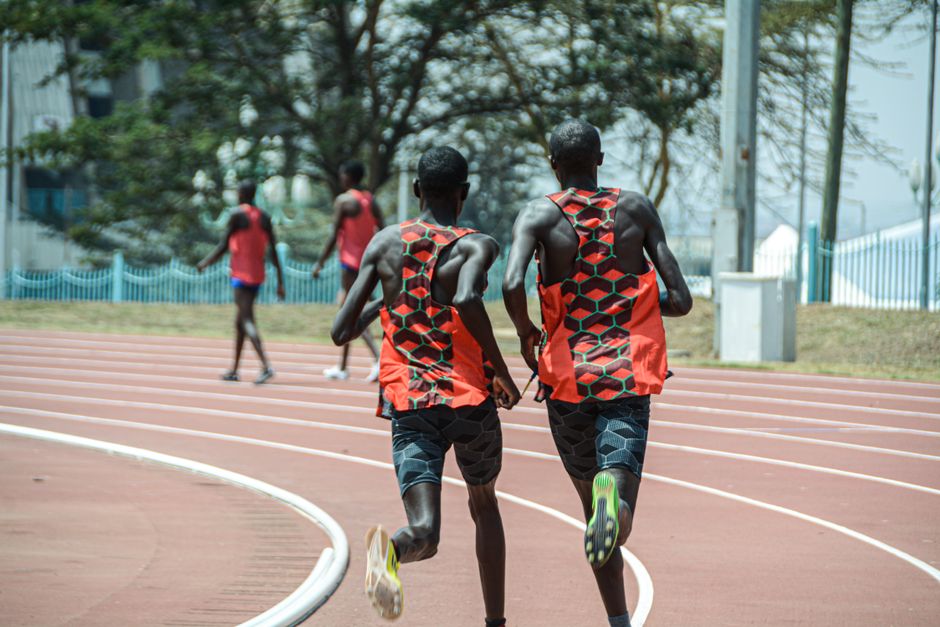
Beyond football, grassroots badminton clubs in Kilimani, volleyball leagues in South B, and running groups spanning from Upper Hill to Kasarani demonstrate the breadth of this movement. The Nairobi Road Runners collective, coordinating informal athletics groups, grew from fewer than 50 members in 2021 to over 800 today, most paying minimal membership fees.
The impact extends beyond sport. Research by local community organisations indicates that youth participation in structured amateur leagues correlates with improved school attendance and reduced involvement in street crime. Several players have progressed from neighbourhood amateur teams to professional contracts, their stories circulating as proof that talent and determination can transcend postcode.
Yet challenges persist. Most grassroots facilities lack proper maintenance; coaching certifications remain expensive; and sponsorship favours established teams. Still, across Nairobi, thousands of amateurs continue showing up—to neighbourhood pitches, community centres, and borrowed spaces—building something precious from minimal resources: opportunity, identity, and hope.
This article was compiled by AI from the sources linked above and screened before publishing. See our editorial standards.
How does this story make you feel?
Spread the word
About this article
Published by The Daily Nairobi
Daily brief
Free, in your inbox before 7am. Weekdays.
More in Sport