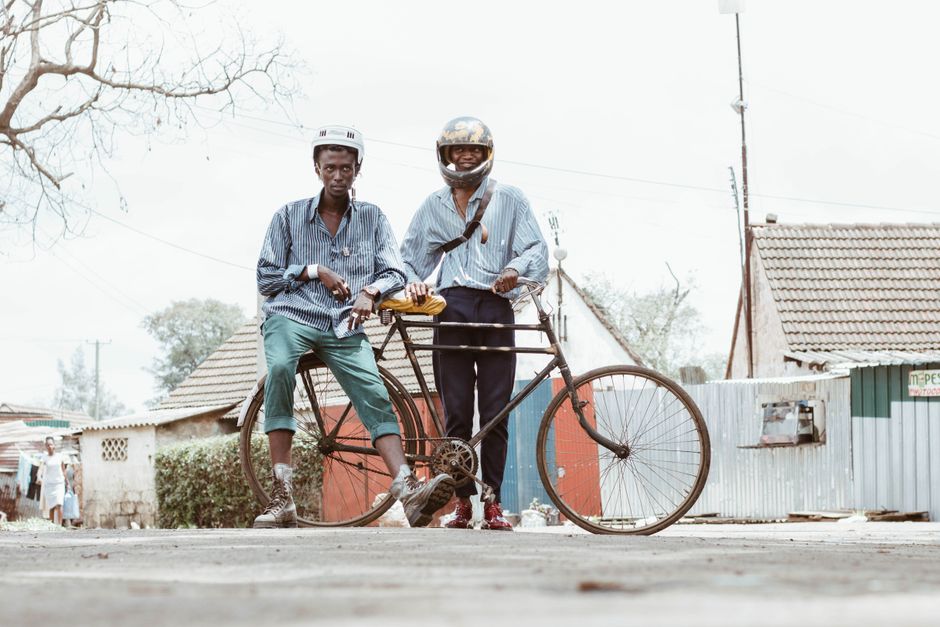
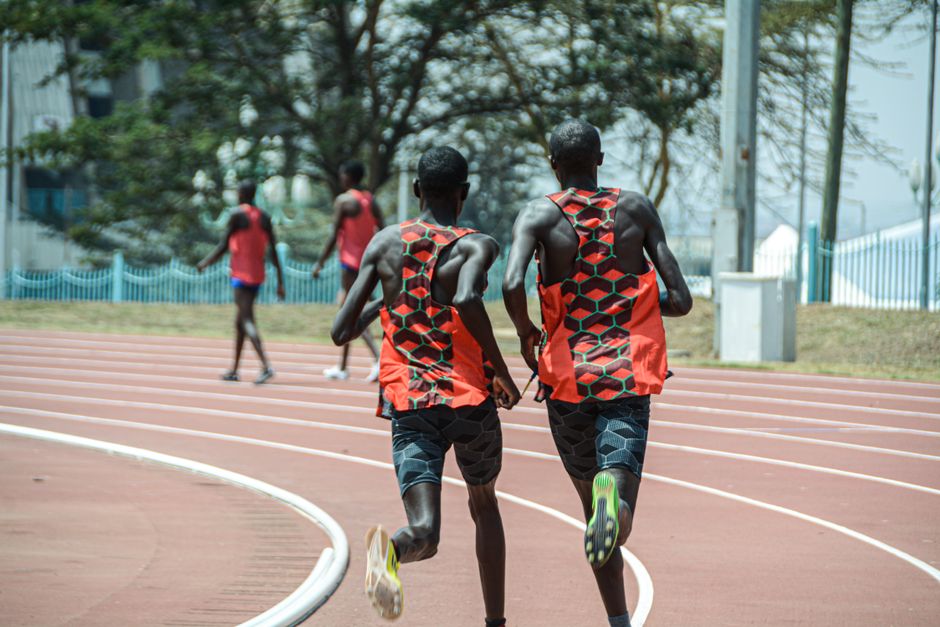
While international media trains its spotlight on Kenya's elite sporting venues, the real heartbeat of the nation's athletic renaissance pulses through the cramped pitches of Mathare, Kibera, and Eastleigh—neighbourhoods where determination trumps resources and community spirit transcends poverty.
Walk through Mathare Valley on any Saturday morning and you'll witness what formal sports infrastructure often misses: children in mismatched kits practicing intricate passing drills on compacted earth, overseen by volunteers who sacrifice their weekends to coach without pay. This is where Kenya's sporting culture genuinely originates, far removed from the manicured grass of Nyayo Stadium or the commercial gloss of the Safaricom Stadium in Kasarani.
The statistics tell a compelling story. According to the Kenya Sports Board's 2025 grassroots report, over 47,000 young people in informal settlements participate in structured community sports programmes annually, yet fewer than 8% have access to certified training facilities. The average community pitch in Nairobi's densest neighbourhoods costs between 500 to 1,200 shillings per hour to rent—a fortune for youth groups operating on donations and small membership fees.
Organizations like Mathare United Football Club, founded in 1987, exemplify this resilience. Operating from a modest compound off Juja Road, the club has channelled over 2,000 youth through its development pipeline in four decades. Players arrive with nothing but ambition, departing with discipline, literacy programmes, and sometimes professional contracts. The club's impact extends beyond football: they've constructed two community water points, funded school fees for 150 children, and established healthcare clinics serving surrounding communities.
Kibera-based netball associations have similarly transformed the landscape for young women. Where systemic barriers once confined female athletes to invisibility, grassroots netball networks now boast membership exceeding 3,400 players across 12 affiliated clubs. These organizations have secured modest but crucial sponsorships—typically between 50,000 to 200,000 shillings annually—enabling equipment purchase and inter-club tournaments.
Yet the irony remains stark. Kenya's grand stadiums host international matches and attract global sponsorship revenue, while the neighbourhoods producing the nation's future champions operate on shoestring budgets. A single community pitch renovation costs 800,000 shillings—equivalent to one modest corporate sponsorship package, yet a sum many grassroots organizations cannot fathom raising.
As Kenya continues developing its sporting infrastructure, an uncomfortable question demands attention: who benefits from this investment? The true measure of a nation's sporting health isn't measured in stadium capacity or international rankings, but in whether a child from Mathare possesses equal opportunity to realize their athletic potential.
This article was compiled by AI from the sources linked above and screened before publishing. See our editorial standards.