Nairobi's reputation as a breeding ground for distance runners is undisputed—the city has produced Olympic champions and world record holders who have captivated global audiences. Yet behind this glittering legacy lies a sobering reality: the infrastructure supporting endurance sports in Kenya's capital is fragmentary, aging, and increasingly inadequate for a city positioning itself as an international sporting hub.
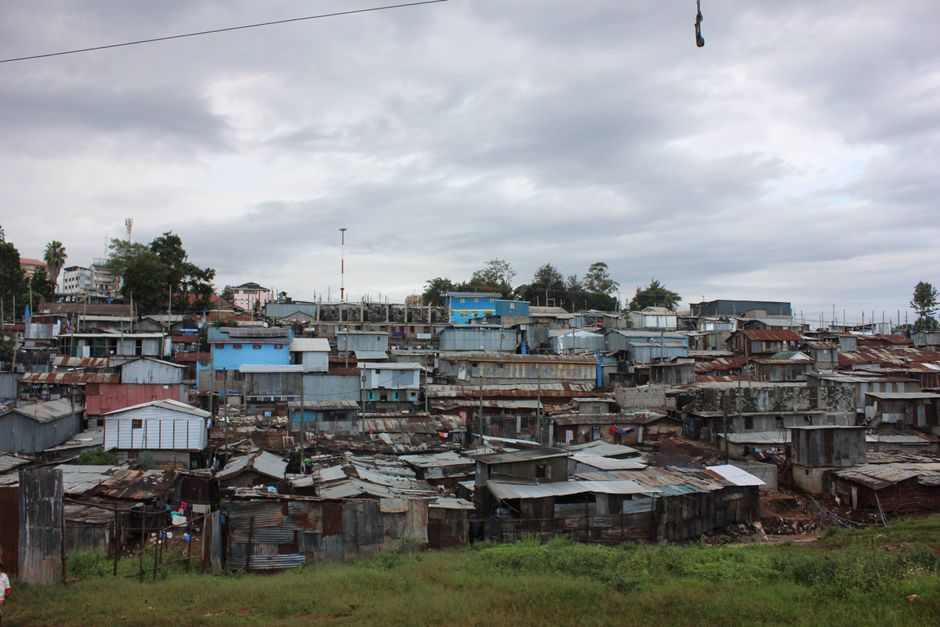
The Moi International Sports Centre in Kasarani remains the city's primary athletics facility, hosting track events and serving as home to several elite training groups. However, the 60,000-capacity stadium's running track has required repeated resurfacing, with maintenance costs straining already tight budgets. Training slots during peak hours often exceed capacity, forcing athletes to seek alternatives on roadways or informal tracks across suburbs like Dandora and Korogocho, where surface quality and safety cannot be guaranteed.
The situation is starker for cyclists. Nairobi lacks a dedicated velodrome, forcing serious track cyclists to travel to Kisumu or train on road networks increasingly congested with matatus and private vehicles. The city's cycling community has advocated for years for a purpose-built facility along the Nairobi River corridor or within industrial areas like Embakasi, but proposals have stalled amid funding disputes and competing land claims. Road cycling routes remain poorly demarcated, with cyclists sharing arterial roads such as Mombasa Road and the Southern Bypass—risky propositions during rush hour.
Triathlon infrastructure presents perhaps the starkest challenge. Training requires access to open water, yet Lake Nairobi remains off-limits for swimmers due to pollution concerns, forcing triathletes to source pools at private clubs—a luxury beyond reach for many grassroots athletes. The few Olympic-standard pools available, including facilities at the Safari Park Hotel and Nairobi Sports House, operate at premium rates ranging from 500 to 2,000 shillings per session, pricing out aspiring age-group competitors.
Several organizations have stepped into the breach. The Kenya Running Festivals initiative has created temporary circuits in residential areas, while cycling groups have organized weekend rides and advocated for safer routes. Yet these efforts, however commendable, remain band-aids on structural wounds.
City planners acknowledge the deficit. A 2024 sports infrastructure audit identified Nairobi's endurance sport facilities as significantly below standards for a metropolitan area of five million residents. Yet translating recognition into concrete investment—literal and figurative—remains elusive. Without upgraded tracks, cycling infrastructure, and reliable training pools, Nairobi risks squandering its most renewable resource: the next generation of athletes waiting to prove themselves.
This article was compiled by AI from the sources linked above and screened before publishing. See our editorial standards.