Walk through Uhuru Park on any Saturday morning and you'll see the evidence: dozens of young footballers in training bibs, runners stretching along the pathways, and groups gathered around netball courts. But the real story of Nairobi's youth sport culture lies not in these visible scenes—it's in the numbers.
Recent data compiled from grassroots clubs operating across Nairobi's key neighbourhoods reveals a participation landscape that is both encouraging and revealing. Youth athletic clubs in areas ranging from Kasarani to Westlands have reported membership increases of between 25 and 40 percent over the past three years, with the largest growth occurring among the 12-to-18 age group. For context, annual membership fees at established clubs now range from KES 8,000 to KES 18,000, placing structured sport within reach of middle-income families but still prohibitive for many in informal settlements.
What's particularly striking is the shift in sport preferences. While football remains the dominant draw—accounting for roughly 45 percent of youth club memberships across sampled organisations—athletics, volleyball, and swimming have seen unexpected surges. Swimming clubs in areas like Kilimani and around the Nairobi Sports Club have nearly doubled their youth rosters, suggesting growing parental awareness of year-round fitness options beyond the traditional football-or-nothing paradigm.
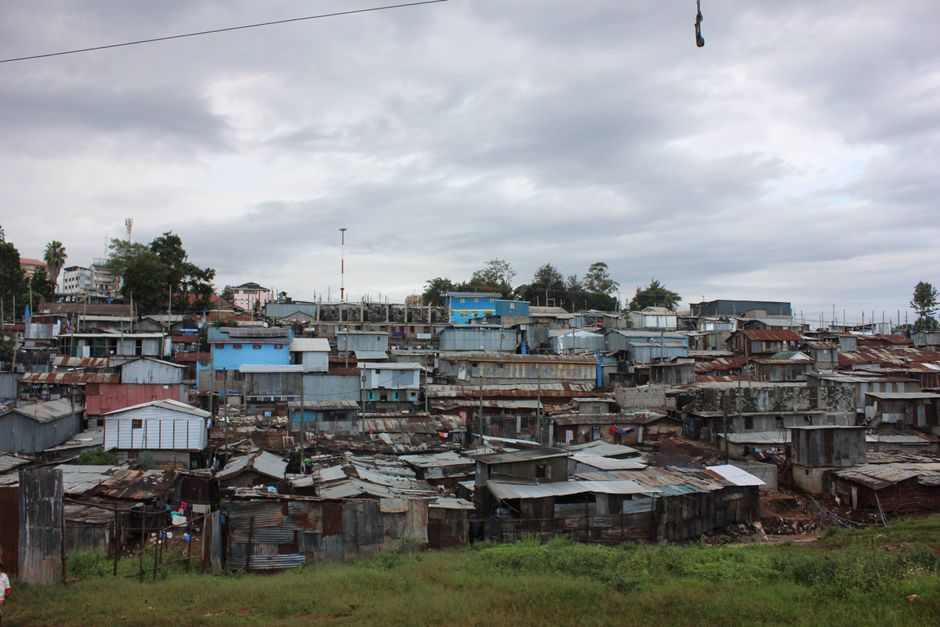
Yet the data also exposes uncomfortable gaps. Participation rates in South B, Embakasi, and other eastern neighbourhoods remain significantly lower than in affluent western zones, with infrastructure scarcity cited as the primary barrier. A club operating out of facilities near the Nairobi River reported losing potential members simply because no adequate changing rooms exist.
Dr. Kariuki Mwangi, programme coordinator at a youth development organisation tracking these trends, notes that the spike correlates with increased mobile phone penetration—young Nairobians are discovering clubs through social media and digital marketing in ways previous generations never could. This democratisation of information is breaking old geographic and social barriers.
The fitness culture emerging from these numbers tells us something crucial: Nairobi's youth are hungry for structured activity, mentorship, and community. Schools alone are not meeting this demand. Parents increasingly view club sport as essential to their children's development, not merely as weekend entertainment.
As the city continues to grow, one question looms: can infrastructure and funding keep pace with participation demand? The answer will largely determine whether this grassroots boom sustains itself or plateaus at the mercy of access and affordability.
This article was compiled by AI from the sources linked above and screened before publishing. See our editorial standards.