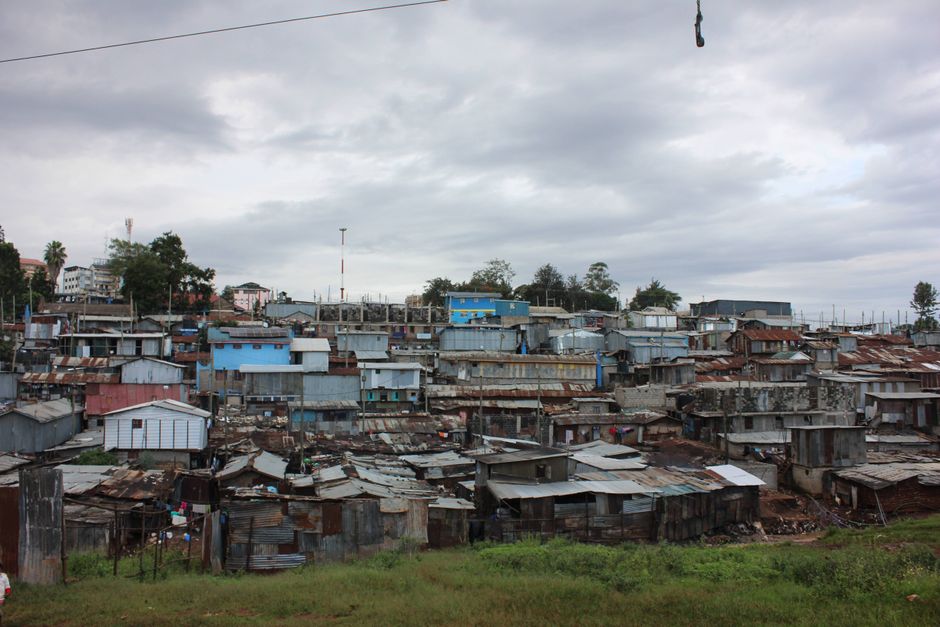
Walk through the narrow lanes of Kibera on a Saturday morning and you'll find something that doesn't appear in official stadium records: a makeshift football pitch carved from red earth, where teenagers in mismatched kits practise skills that might one day take them to Kasarani or even beyond. This is the invisible infrastructure that sustains Nairobi's sporting culture.
While Moi International Sports Centre in Kasarani and Nyayo Stadium remain the city's flagship venues, hosting international athletics meets and continental tournaments, the real engine of Kenya's athletic talent churns in places most tourists never visit. Community organisations operating in Mathare, Korogocho, and Kangemi have become the primary talent scouts and developers for the city's next generation of athletes.
According to data from Nairobi City County's Sports Department, approximately 47 per cent of young athletes who eventually compete at national level first trained in informal settlement community centres. Yet funding remains precarious. Most grassroots programmes operate on budgets between 200,000 and 500,000 shillings annually—a fraction of what elite facilities receive.
"We don't have the luxury of manicured pitches," says one community sports coordinator in Mathare, speaking on condition of anonymity. "We work with what we have. Last year we raised funds to install basic floodlights on Muna Road. It cost us 180,000 shillings through fundraising and donations."
The mathematics are stark. Kasarani's annual operational budget runs into millions, yet the estimated 3,000 young people accessing grassroots programmes across Nairobi's informal settlements collectively train on surfaces that would never meet FIFA standards. They use recycled materials, improvised goalposts, and volunteer coaches—many of whom are former athletes unable to find formal coaching positions.
Yet something remarkable is happening. Youth participation in structured community sports programmes has grown by 34 per cent over the past three years, according to informal surveys by grassroots networks. Boxing clubs in Eastleigh, basketball initiatives along Jogoo Road, and running groups in South B are creating pathways that formal infrastructure alone cannot.
The challenge now is sustainability. As Nairobi prepares for potential bids on major international events, stakeholders acknowledge a paradox: the stadiums that will host these showcases depend entirely on the grassroots networks that remain dramatically underfunded. Without investment in the informal settlement sports movement, Kenya's pipeline of talent will continue to run dry.
The real stadium in Nairobi isn't a building. It's a network of determined communities refusing to let poverty become a barrier to athletic dreams.
This article was compiled by AI from the sources linked above and screened before publishing. See our editorial standards.