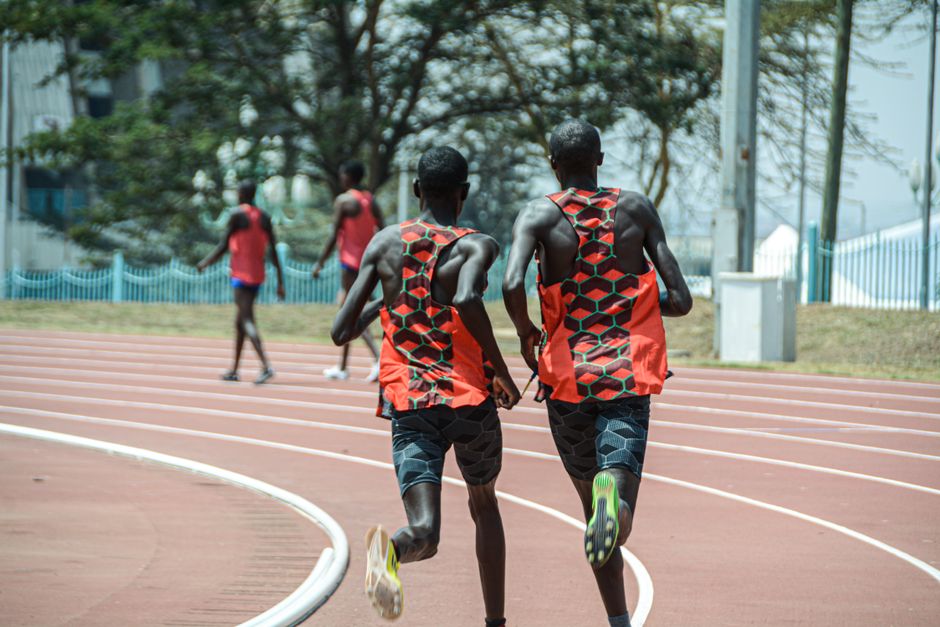
Walk past the Nairobi Railway Club grounds in Westlands on a Wednesday evening and you'll witness the heartbeat of the city's amateur sports culture: sweating footballers, volleyball nets humming with activity, and badminton courts packed until sunset. Yet behind this vibrant scene lies a troubling reality—the infrastructure supporting Nairobi's recreational leagues is buckling under demand.
The city's amateur sports ecosystem has expanded dramatically over the past five years. An estimated 340 registered community clubs now operate across Nairobi's 17 administrative areas, with participation in amateur leagues growing by roughly 23 percent annually. But the venues hosting these athletes haven't kept pace. Most public courts and fields remain trapped in a state of chronic disrepair, forcing clubs to compete fiercely for access to the handful of well-maintained facilities.
"We pay Ksh 8,000 to Ksh 12,000 per hour for a decent basketball court in Kilimani," says one administrator managing a popular volleyball league that operates across three neighbourhoods. "Five years ago, the same facility cost half that. Demand far outstrips supply." Premium venues like the Nairobi Gymkhana and the Karen Country Club command premium fees, remaining largely inaccessible to working-class clubs dependent on shoestring budgets.
Public facilities tell a grimmer story. The concrete courts at Uhuru Park, once the city's recreational anchor, show deep cracks and inadequate lighting. The football pitches at Karura Forest are waterlogged during rainy seasons. Meanwhile, smaller neighbourhood venues in Eastleigh, Mathare, and Kibera lack even basic amenities—changing rooms, drinking water, or functioning floodlights.
The City County Government's Parks and Sports Department, responsible for maintaining public grounds, faces a documented funding shortfall. According to available budget documents, capital investment in sports infrastructure has averaged just Ksh 145 million annually—roughly 2 percent of the parks budget—since 2022.
Private operators have partially filled the void. Facilities like those along Limuru Road and in Westlands have modernized their offerings, but accessibility remains a class issue. Clubs from lower-income areas struggle to afford commercial rates.
For Nairobi's amateur sports community, the challenge is clear: without urgently rehabilitating public facilities and directing sustained investment toward neighbourhood venues, the city risks squandering the grassroots momentum that has made recreational sport a defining feature of urban life. The boom requires infrastructure to match its ambition.
This article was compiled by AI from the sources linked above and screened before publishing. See our editorial standards.