Kenya's national football team returned to Kasarani last week having drawn 1-1 with Tanzania in a CECAFA qualifier in Dar es Salaam — a result that keeps their 2027 AFCON campaign alive but threadbare. The bigger story, though, is what happened when the squad came home: training sessions at Moi International Sports Centre shifted to the outer grass banks after waterlogging on the main pitch rendered the surface unusable. It is July. Nairobi's long rains ended six weeks ago.
The timing could not be sharper. Kenya is co-hosting the 2027 Africa Cup of Nations alongside Uganda and Tanzania, and FIFA assessors are scheduled to conduct a venue inspection tour before the end of August 2026. What they find at Kasarani — Africa's largest stadium by seated capacity at 60,000 — will shape whether the government's Ksh 4.2 billion stadium rehabilitation budget, approved in the February supplementary estimates, looks credible or cosmetic. Sport Kenya, the state agency that manages the facility, has confirmed the resurfacing contract but has not yet announced a start date.
Clubs Scrambling for Reliable Ground
Outside the national team bubble, Nairobi's club ecosystem is adapting — sometimes inventively, sometimes desperately. Gor Mahia, Kenya's most decorated club and a perennial CAF Confederation Cup participant, conducted pre-season fitness work this June at the City Stadium on Pumwani Road rather than their preferred Kasarani ancillary pitch, which was occupied by construction equipment linked to the rehabilitation works. Tusker FC, based out of the Ruaraka complex near Thika Superhighway, has fared marginally better; the brewery-owned ground has benefited from corporate maintenance funds that public facilities cannot access.
The gap between corporate-backed venues and state-managed ones is stark. The Ruaraka ground has floodlights that actually function on all four masts. City Stadium, which dates to 1962 and sits in the dense residential grid between Eastleigh and Pangani, does not. That means evening matches there cannot kick off after 6 p.m., a logistical problem for a city where afternoon traffic makes a 4 p.m. start nearly impossible for working fans coming from the CBD or Westlands.
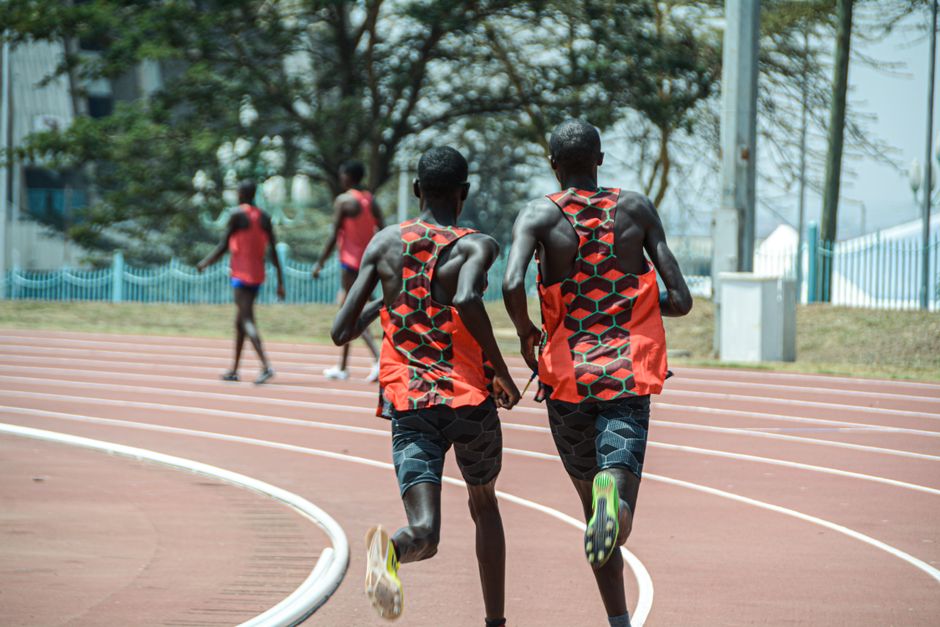
Athletics Kenya has its own grievances. The Kipchoge Keino Stadium in Eldoret handles most elite track training, but Nairobi-based middle-distance squads have been using the Nyayo National Stadium track — reopened after a 2024 resurfacing — with variable results. Lanes five through eight retain surface irregularities that athletes and coaches flagged in writing to the Sports, Culture and Arts Ministry in March. No formal response has been issued.
The Numbers Behind the Problem
Sport Kenya's own 2025 annual report put the maintenance backlog across its nine Nairobi facilities at Ksh 1.1 billion. Grass replacement at Kasarani's training annexe alone was costed at Ksh 38 million in a 2024 tender document — a tender that lapsed without award. Meanwhile, Nairobi County's parks and recreation budget for the 2025-26 financial year allocated just Ksh 210 million to all open recreational spaces, a figure that includes Uhuru Park, Karura Forest, and 47 neighbourhood playing fields. The arithmetic does not add up.
Private investment is filling some gaps. A sports infrastructure consortium that includes equity from Kenya Commercial Bank and a Gulf-linked property fund broke ground in April on a 5,000-seat multi-sport arena off Ngong Road, near the Dagoretti Corner interchange. The facility, targeting completion by March 2028, is designed primarily for basketball and volleyball — sports where Kenya's women's national teams have outperformed expectations in recent continental championships — but will include a 400-metre outdoor running track.
With the AFCON inspection window closing in late August, Sport Kenya and the Ministry of Sports face a hard deadline. Contractors working on Kasarani's main pitch need to begin no later than the third week of July to allow adequate curing time before the stadium hosts the September 6 World Cup qualifier against Senegal — a match that Kenya's Football Federation has already sold out in pre-registration. Athletes, clubs and fans in this city have heard promises before. The difference now is that an international audience will be watching when those inspectors walk through the gates.