Why Nairobi's Tech Ecosystem Punches Above Its Weight on the Global Stage
From mobile-first innovation to venture capital flowing into underserved markets, Nairobi has cracked a formula that Silicon Valley is only now trying to replicate.
From mobile-first innovation to venture capital flowing into underserved markets, Nairobi has cracked a formula that Silicon Valley is only now trying to replicate.
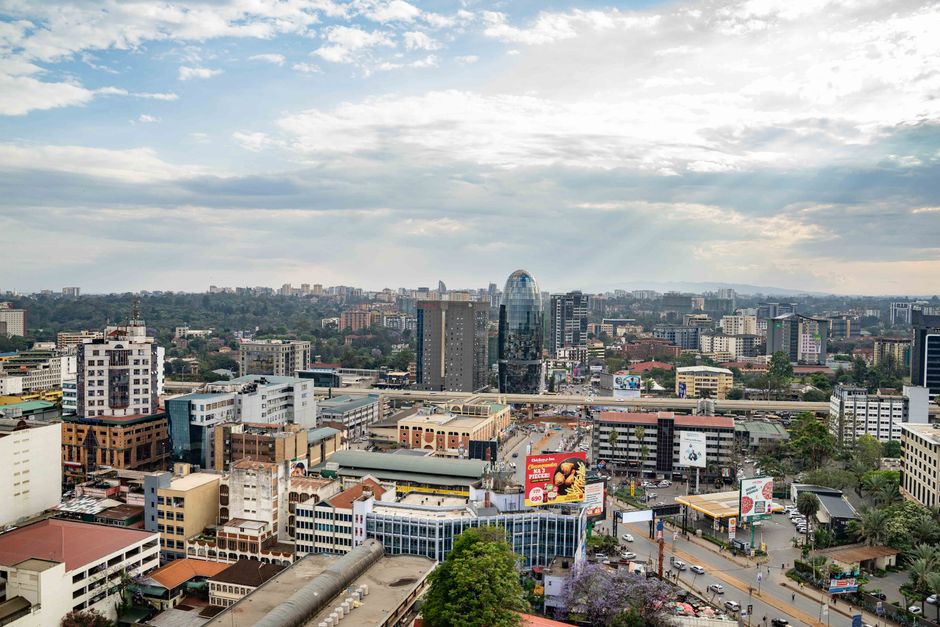
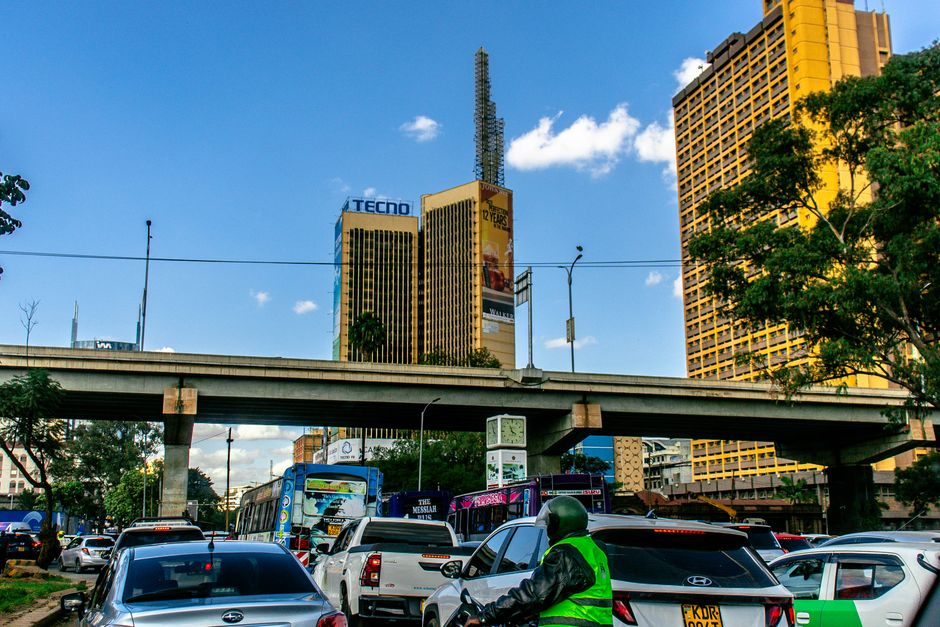
Walk through Westlands on any given Tuesday and you'll spot the telltale signs: young engineers hunched over laptops in coffee shops, startup founders pitching to investors in glass-fronted offices, and a palpable energy that suggests something genuinely different is happening in Kenya's capital.
What makes Nairobi's technology ecosystem distinctive isn't just that it exists—it's the specific problems it solves and the market conditions that shaped it. Unlike tech hubs born from abundance, Nairobi was built by necessity. The absence of traditional banking infrastructure didn't paralyze the city; it spawned M-Pesa, a mobile money system that became a blueprint for fintech innovation across Africa and beyond. That foundational lesson—solving real problems with limited resources—still runs through the city's DNA.
Today, the numbers tell a compelling story. Nairobi hosts over 300 active tech startups, with venture capital deployment reaching approximately $200 million annually across the East African region. The city's tech talent pool has grown exponentially, with coding bootcamps like Moringa School and Jkuat producing graduates who command competitive salaries while choosing to stay local rather than chase Silicon Valley dreams.
The geography matters too. Entrepreneurs cluster around established nodes: IHub in Kasarani remains a nerve center for hardware and open-source innovation, while the proliferation of co-working spaces from Nairobi's Westlands corridor to emerging hubs in Karen reflects how distributed the ecosystem has become. This isn't Silicon Valley's vertical concentration—it's a networked, polycentered model that's proving more resilient.
What international investors increasingly recognize is Nairobi's unique positioning as a gateway to 1.2 billion African consumers. A company building fintech, agritech, or health-tech solutions here isn't optimizing for a mature market—it's designing for contexts with fundamentally different constraints and opportunities. That forces innovation in ways that complacent markets never achieve.
The city's ecosystem also benefits from genuine diversity of thought. Entrepreneurs here aren't chasing the same venture capital narrative. They're building for offline-first users, designing around irregular electricity, creating solutions that work on 2G networks. These aren't limitations—they're competitive advantages when scaled globally.
Six years ago, Nairobi was dismissed as a secondary tech destination. Today, it's attracting international engineering talent, spawning billion-dollar valuations, and serving as incubator for solutions that address problems the developed world hasn't even fully recognized yet. That's not luck. It's the product of a ecosystem that learned to thrive on constraints rather than despite them.
This article was compiled by AI from the sources linked above and screened before publishing. See our editorial standards.
How does this story make you feel?
Spread the word
About this article
Published by The Daily Nairobi
Daily brief
Free, in your inbox before 7am. Weekdays.
More in tech