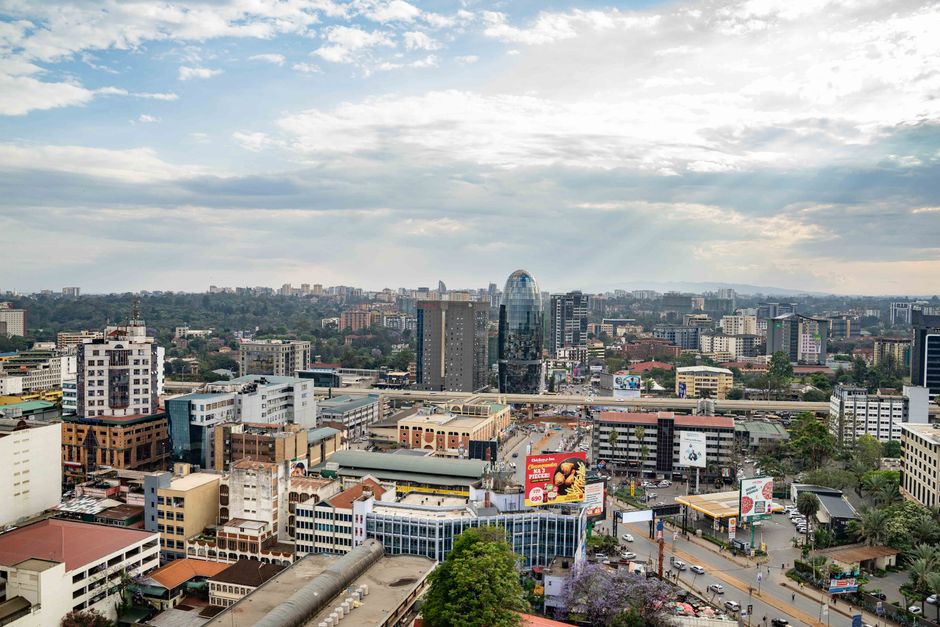
Walk into the Nairobi County Government offices on City Hall Way, and you'll see screens displaying real-time data on pothole locations, water main breaks, and waste collection routes. Behind that seamless dashboard sits CityMesh, a locally founded govtech company that has spent the last three years building the digital nervous system our sprawling capital desperately needed.
Founded in 2023 by former Safaricom infrastructure engineers, CityMesh launched quietly—no Series A announcement, no splash at tech conferences. Instead, the team went straight to work solving the unglamorous but critical problem of municipal inefficiency. Today, their platform integrates data from over 450 waste collection points across Nairobi, processes traffic camera feeds from major junctions in Westlands and Kilimani, and monitors water distribution across the Southlands pipeline network.
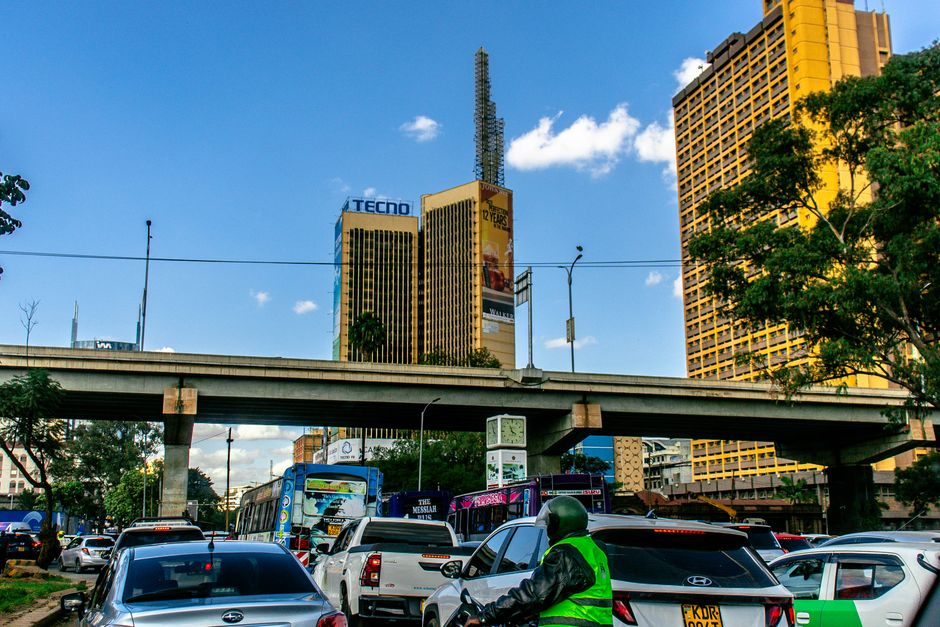
The numbers tell the story. Nairobi County reduced waste collection response times from an average of 6.2 days to 2.1 days after deploying CityMesh's predictive routing system. Water leak detection improved by 34%, translating to roughly KES 180 million in annual savings. Traffic flow optimization on the Mombasa Road corridor has cut congestion-related delays by 28% during peak hours.
What makes CityMesh distinct in a crowded govtech space is its refusal to over-engineer. While competitors pitch AI-heavy dashboards and blockchain integration, CityMesh built for Nairobi's actual infrastructure constraints: unreliable power, spotty internet in outlying areas, and legacy systems that refuse to die. Their platform works offline, syncs when connectivity returns, and integrates with equipment dating back two decades.
Last month, the firm closed a KES 2.8 billion Series B round, anchored by pan-African infrastructure investors. The capital will fund expansion into Lagos, Accra, and Kampala—but Nairobi remains the proving ground. By year's end, CityMesh plans to bring sanitation departments, the Nairobi Metropolitan Services, and even informal settlement data collection under one system.
For a city that houses 4.7 million people, manages over 8,000 kilometers of roads, and produces roughly 15,000 tonnes of waste daily, CityMesh represents something rarer than venture funding: a company solving problems that actually matter. Not disruption theater. Not the next unicorn chase. Just steady, competent digital infrastructure doing the work our city government never quite managed alone.
In tech, that's increasingly the story worth watching.
This article was compiled by AI from the sources linked above and screened before publishing. See our editorial standards.