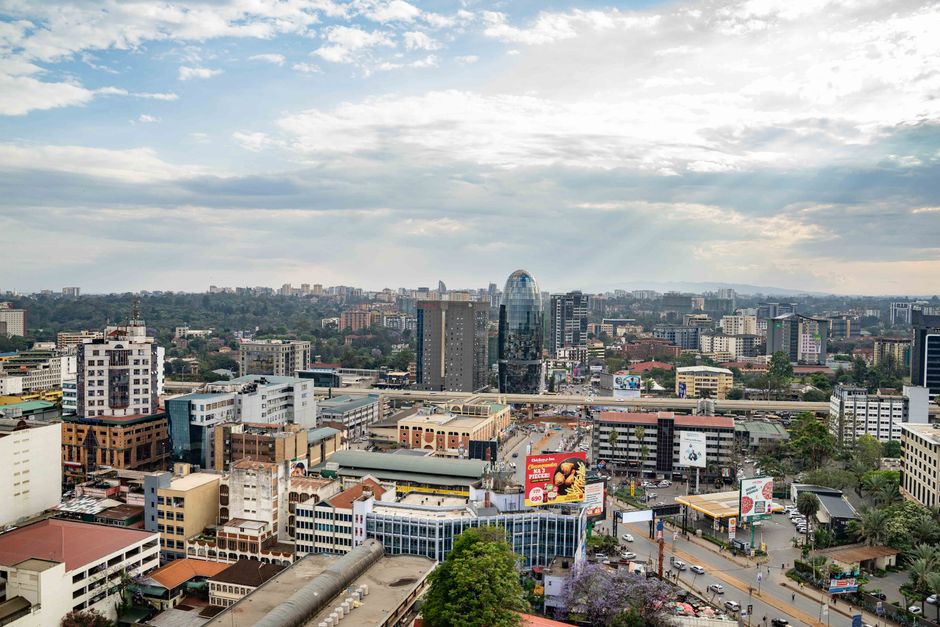
Samuel Kipchoge leaves his apartment in Kilimani at 7:15 AM on a Tuesday, but he doesn't check traffic on Google Maps anymore. Instead, he opens an app developed by a startup operating from the Nairobi Innovation Hub in Westlands, which predicts exactly which matatu route will get him to his Hurlingham office fastest—and how much it will cost. Fourteen minutes later, he's arrived. Two years ago, the same journey took 45 minutes.
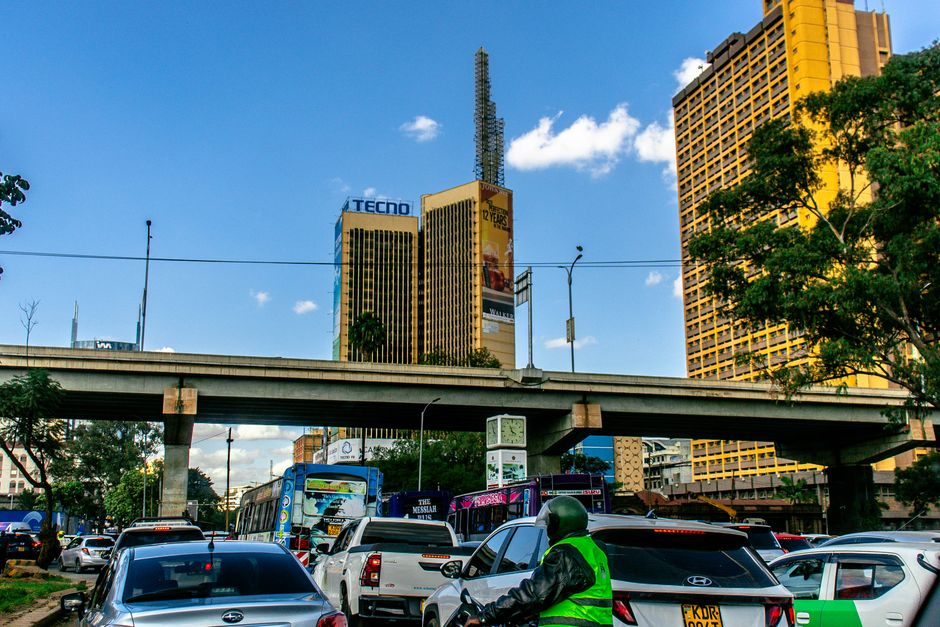
This is the new reality for thousands of Nairobi residents as homegrown technology companies tackle one of East Africa's most persistent challenges: the city's notorious traffic congestion, which costs the local economy an estimated 1.2 billion shillings annually in lost productivity.
The innovation isn't coming from Silicon Valley or London—it's emerging from Nairobi's increasingly sophisticated tech ecosystem. Companies clustered around the Innovation Hub, along Gitanga Road, and in spaces like The Nairobi Tech Park in Karen are deploying machine learning algorithms to analyze real-time data from thousands of vehicles, allowing residents to avoid gridlock on Langata Road or the Mombasa Road-South C corridor.
"What we've built is predictive—not reactive," explains the methodology behind one leading platform, which processes anonymized location data from over 200,000 daily users. The system now alerts commuters to delays 15-20 minutes before congestion actually hits, a dramatic shift from traditional traffic apps that only show current conditions.
The impact extends beyond commuting. A micro-mobility startup operating across Nairobi's central business district has deployed 5,000 electric scooters, accessible through an app that shows real-time availability at stations from Nairobi Central to Upper Hill. At 50 shillings per ride, these have become the preferred option for the last-mile problem—getting from a bus station to an office.
For residents in outer areas like Kasarani and Embakasi, ride-sharing platforms optimized with local algorithms have reduced average fares by 15-25% since 2024, making transport more affordable for middle and lower-income earners who depend on daily commutes.
Yet challenges remain. Last-mile connectivity in informal settlements still lags, and not all residents have smartphones or reliable data connections. However, as these technologies mature and companies expand operations to Thika Road, Mombasa Road, and the eastern corridors, Nairobi's daily rhythm is unmistakably changing—one data point, one optimized route, at a time.
This article was compiled by AI from the sources linked above and screened before publishing. See our editorial standards.