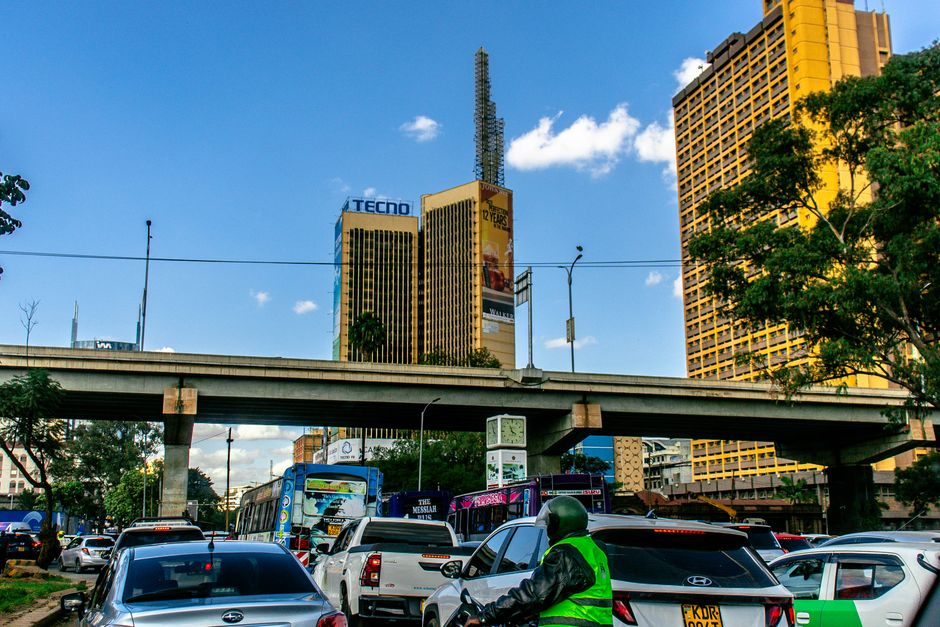
The glass towers rising along Waiyaki Way in Westlands tell part of Nairobi's digital transformation story. But the real momentum sits in spreadsheets across Silicon Valley, Dubai and increasingly, Lagos and Johannesburg.
Over the past 18 months, smart city infrastructure investments in Nairobi have attracted approximately $240 million in direct funding, according to preliminary figures from the Kenya Private Sector Alliance. Venture capital firms targeting East African govtech have nearly doubled their deployment, with firms like Consonant and Gray Matter focusing specifically on municipal efficiency solutions.
The Nairobi City County's own digital strategy, unveiled in partnership with the World Bank, commits Ksh 8.7 billion ($67 million) through 2028 to integrated traffic management, waste tracking and service delivery platforms. This isn't theoretical anymore. Real systems are live: the Integrated Urban Development Master Plan now includes a functioning IoT sensor network across Nairobi's central business district and parts of Eastleigh.
"What's changed is the velocity," says a technology sector analyst tracking East African infrastructure. "Two years ago, smart city contracts in Nairobi were one-off pilots. Now they're systemic bids worth tens of millions."
Private firms are backing this shift. Safaricom has expanded its IoT connectivity offerings beyond traditional telecom, while smaller startups operating from hubs in Kilimani and Nairobi West compete for municipal contracts. The Kenya National Bureau of Statistics reported that digital services exports grew 34% year-on-year, with govtech representing the fastest-expanding subsector.
Not all stakeholders celebrate equally. Community groups in informal settlements, including parts of Kibera and Mathare, have raised concerns about surveillance implications of sensor networks and whether residents will see tangible benefits—or simply enhanced monitoring. The County's commitment to digital inclusion programs remains vaguely defined in public documents.
International development banks have also entered the picture. The African Development Bank committed $52 million to smart infrastructure across East Africa, with Nairobi as its primary anchor project. This capital influx has attracted secondary effects: real estate prices in tech-adjacent neighborhoods have climbed 18-22% since 2024, and new coworking facilities catering to govtech entrepreneurs have opened in Upper Hill and along Mombasa Road.
The broader narrative is compelling: Nairobi positioning itself as Africa's definitive smart city by 2030, attracting global capital while modernizing municipal services. Whether that translates into equitable outcomes for all residents remains the open question as billions flow into reshaping how East Africa's largest city operates.
This article was compiled by AI from the sources linked above and screened before publishing. See our editorial standards.