On a Tuesday morning in Westlands, Florence Mwangi doesn't need to spend two hours haggling with courier services anymore. The 34-year-old entrepreneur uses a locally-built app that predicts optimal delivery routes across Nairobi's notoriously congested roads, cutting her e-commerce shipping costs by roughly 40 percent. It's a small change, but it's emblematic of how technology developed right here in Nairobi's innovation hubs is fundamentally altering daily life for residents across the city's economic spectrum.
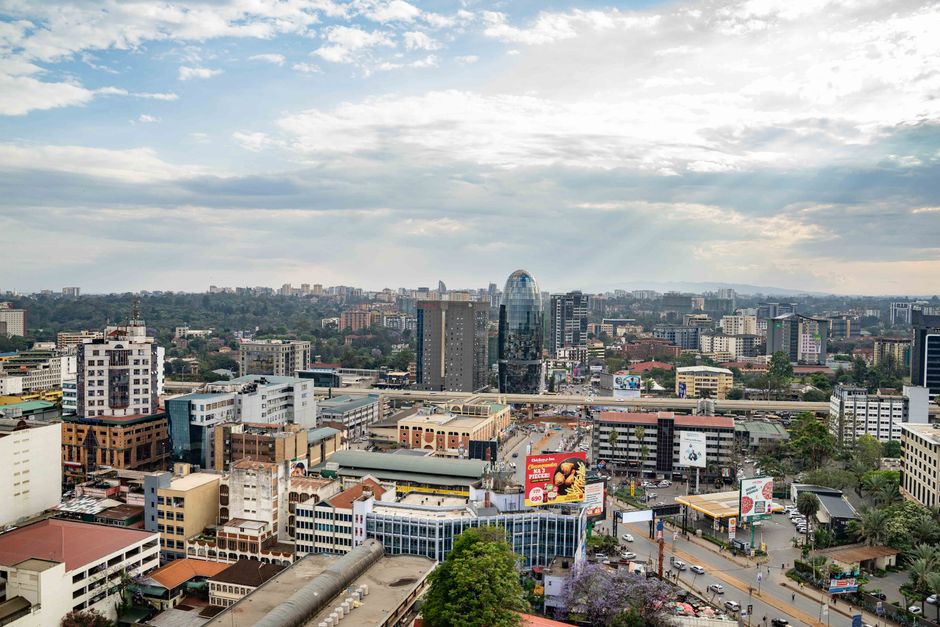
The transformation is most visible along the innovation corridor stretching from Nairobi's CBD through Kilimani to the tech parks in Upper Hill. Companies like those incubated at Nairobi's growing number of startup accelerators have moved beyond mobile money solutions—the sector that initially put Kenya on Africa's fintech map—into logistics optimization, predictive analytics, and supply chain management powered by artificial intelligence.
For residents in areas like Kibera and Mathare, the impact manifests differently but no less significantly. A predictive maintenance app developed by a Nairobi-based team has helped reduce water pipeline breaks in informal settlements by 35 percent over the past eighteen months, according to data from Nairobi Water and Sewerage Company. That translates to more reliable access to clean water for hundreds of thousands of people who previously endured weeks-long outages.
The economic multiplier effect extends to employment. Across Nairobi's neighborhoods—from Karen to Eastleigh—young technologists are finding work as data annotators, app testers, and junior developers for these companies, with entry-level positions paying between 35,000 and 55,000 shillings monthly. Tech hubs in Industrial Area and South B have become informal recruitment centers, democratizing access to digital economy jobs.
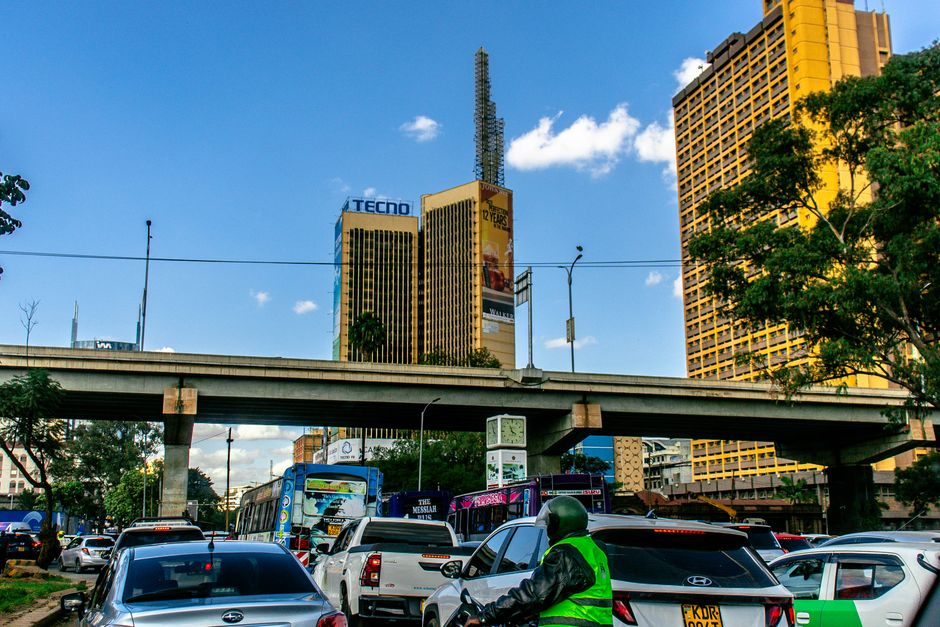
Perhaps most visibly, AI-powered traffic prediction systems now integrate with matatu operations and ride-hailing services, reducing average commute times on key routes like Mombasa Road and the Southern Bypass by 12-18 minutes during peak hours. For Nairobi's working professionals, that's reclaimed time and reduced transport costs.
Yet challenges persist. Digital divide issues mean technology access remains uneven across socioeconomic lines, and questions about data privacy and algorithmic bias have begun surfacing in local tech circles. Nevertheless, as these homegrown solutions scale—many are now expanding to Kampala, Dar es Salaam, and Lagos—Nairobi residents are becoming both test cases and beneficiaries of innovation that's proving African problems require African technological solutions.
This article was compiled by AI from the sources linked above and screened before publishing. See our editorial standards.