Fintech Nairobi: How Digital Payments Are Reshaping Bills & Savings
Discover how Nairobi residents from Westlands to Kibera are using affordable digital financial tools to pay bills, save money, and start businesses online.
Discover how Nairobi residents from Westlands to Kibera are using affordable digital financial tools to pay bills, save money, and start businesses online.

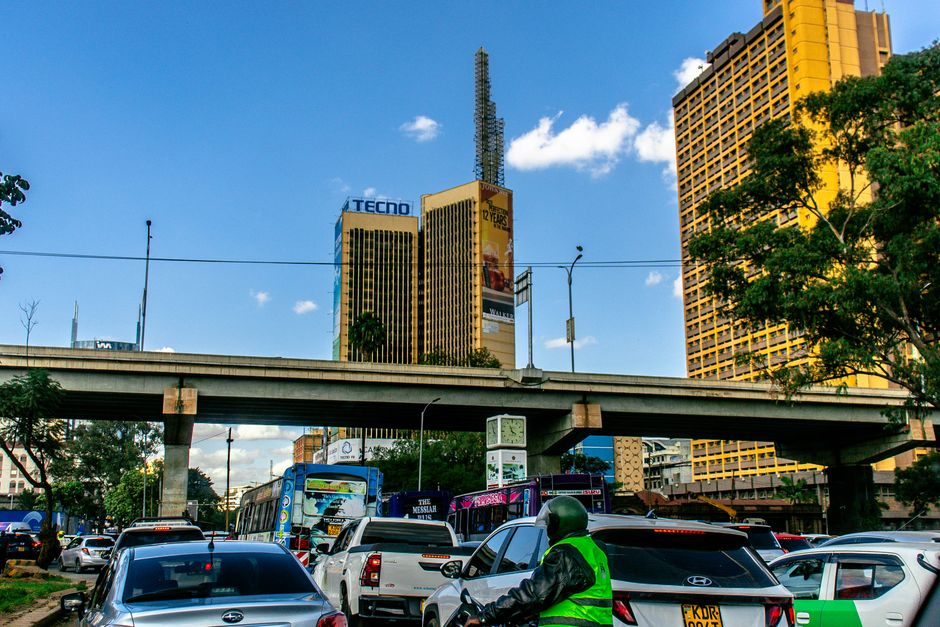
Walk down Kimathi Street on any Tuesday morning and you'll spot the shift happening quietly: a vendor outside Nairobi Central Park scanning QR codes instead of counting shillings, a student in Safari Park Hotel's café splitting a coffee bill via app, a small business owner in River Road managing inventory through her phone while sitting at home in Lavington.
Nairobi's technology ecosystem has matured dramatically over the past 18 months, moving fintech innovation from Silicon Savanna hype into the pockets and daily routines of ordinary residents. What began as a startup scene concentrated around the iHub and Nailab spaces in Westlands has diffused across the city—and more importantly, into neighbourhoods where the majority of Nairobi's 4.2 million residents actually live.
The numbers tell the story. Digital transaction volumes in Kenya have grown 34 percent year-on-year, with mobile money transfers now accounting for roughly 41 percent of all retail payments in urban areas. But the real change isn't in statistics—it's in what residents can actually do differently than they could two years ago.
Consider savings clubs, a tradition in Nairobi for decades. Women in Kayole and Mathare who once risked carrying cash to meetings now contribute via smartphone, with blockchain-based escrow systems ensuring transparency. A group coordinator in Kibera told friends how the technology eliminated the need for a trusted banker to hold funds—the ledger is distributed, immutable, and accessible to all members.
Transport has shifted too. Matatu operators across the city—from those running routes between Mombasa Road and the CBD to those servicing outer areas like Rongai—increasingly accept contactless payments. The friction of exact change, a daily headache for commuters, has largely vanished for those with smartphones.
Yet adoption remains uneven. While residents in Kilimani and Upper Hill navigate sophisticated investment apps and digital wealth management platforms, neighbourhoods like Korogocho still struggle with inconsistent internet connectivity. A vendor near the Eastleigh Market explained the reality: reliable data costs roughly 200 shillings daily for her small business, a significant portion of thin margins.
Nairobi's innovation hub status—attracting investment from across the continent—means new solutions keep arriving. But the real test isn't whether technology companies can build clever platforms in glass-fronted offices along the Nairobi Business Park. It's whether residents earning 15,000 shillings monthly in Embakasi, Starehe, or Dagoretti can actually use these tools to improve their lives. That measure, finally, is being met—though much work remains to ensure no neighbourhood is left behind.
This article was compiled by AI from the sources linked above and screened before publishing. See our editorial standards.
How does this story make you feel?
Spread the word
About this article
Published by The Daily Nairobi
Daily brief
Free, in your inbox before 7am. Weekdays.
More in tech