Nairobi's Next Wave: What the City's Most Ambitious Tech ...
From Westlands to Kilimani, founders are shipping products that could reshape East Africa's digital infrastructure—here's what's coming.
From Westlands to Kilimani, founders are shipping products that could reshape East Africa's digital infrastructure—here's what's coming.
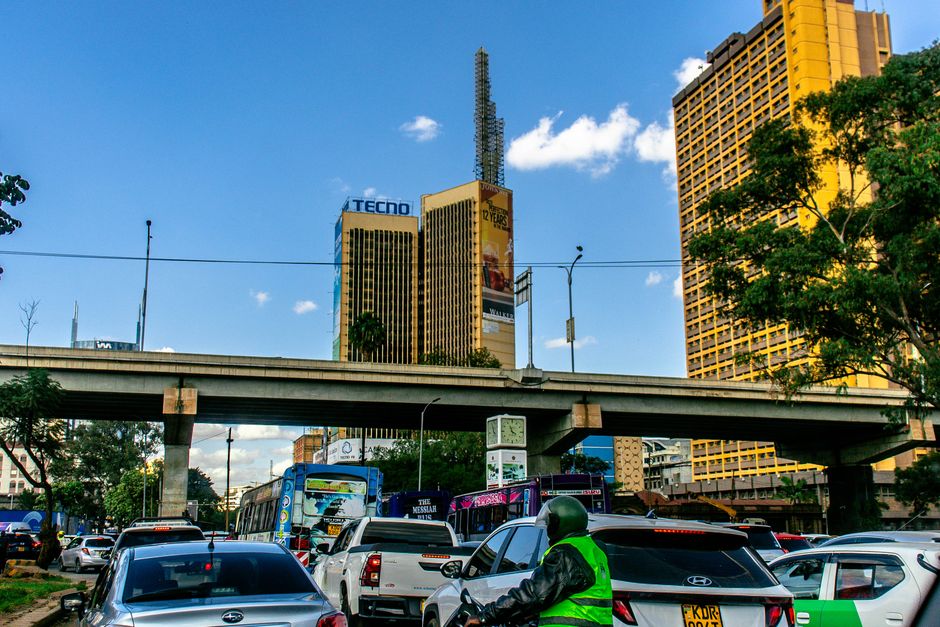
The Nairobi tech ecosystem has matured beyond pitch decks and Series A fundraising. Today, the conversation among founders spanning the corridors of Google's Nairobi office, the workspaces dotting Westlands, and the startup hubs around Innovation Hub and Ihub has shifted decisively toward execution: what ships next, and what problems get solved by 2027.
Several high-momentum companies are signalling significant product milestones ahead. In the fintech space, firms building on M-Pesa rails and targeting last-mile financial inclusion are preparing expansions beyond Kenya's borders—Uganda and Rwanda launches are confirmed for late 2026 by multiple players in the space, according to conversations with ecosystem stakeholders. One challenge remains consistent: regulatory approval timelines across the region, which continue to stretch beyond original roadmaps.
Logistics startups operating from the Kilimani and Westlands tech clusters are racing to deploy autonomous delivery vehicles in controlled environments. While full-city autonomous operations remain distant, several companies are piloting dock-to-warehouse automation and last-kilometre solutions in limited zones around the Nairobi Industrial Park and emerging e-commerce hubs in South B. Investment in this vertical has tripled since 2024, driven partly by rising courier labour costs—currently averaging KES 150-300 per delivery depending on distance.
AgriTech remains fertile ground. Multiple companies are integrating satellite imagery, soil sensors, and AI-driven advisory services targeting smallholder farmers across Central and Eastern Kenya. Their 2026-2027 roadmaps emphasise off-grid functionality and voice-based interfaces in Swahili and Kikuyu—acknowledging that smartphone penetration, while expanding, doesn't guarantee regular internet access in rural zones.
HealthTech companies operating diagnostic and telemedicine platforms are preparing expansions into secondary cities beyond Nairobi's established corridors. Nakuru, Kisumu, and Mombasa represent underserved markets with growing digital payment adoption. Regulatory sandboxes being discussed with Kenya's health ministry may accelerate remote prescription and dispensation frameworks by Q1 2027.
Data infrastructure—often overlooked by outside observers—is experiencing intense activity. Cloud localisation efforts and edge computing nodes are being deployed to reduce latency and cost for downstream AI and analytics applications. This layer, unglamorous but critical, will likely determine whether Nairobi-built solutions can compete regionally on speed and affordability.
The through-line across these developments: founders are building for offline-first, Swahili-first, and affordability-first contexts. The days of copying Western SaaS models wholesale have faded. What emerges over the next 18 months will define whether Nairobi becomes a region-wide innovation centre or remains a talented but ultimately dependent tech ecosystem.
This article was compiled by AI and screened before publishing. See our editorial standards.
How does this story make you feel?
Spread the word
About this article
Published by The Daily Nairobi
Daily brief
Free, in your inbox before 7am. Weekdays.
More in tech