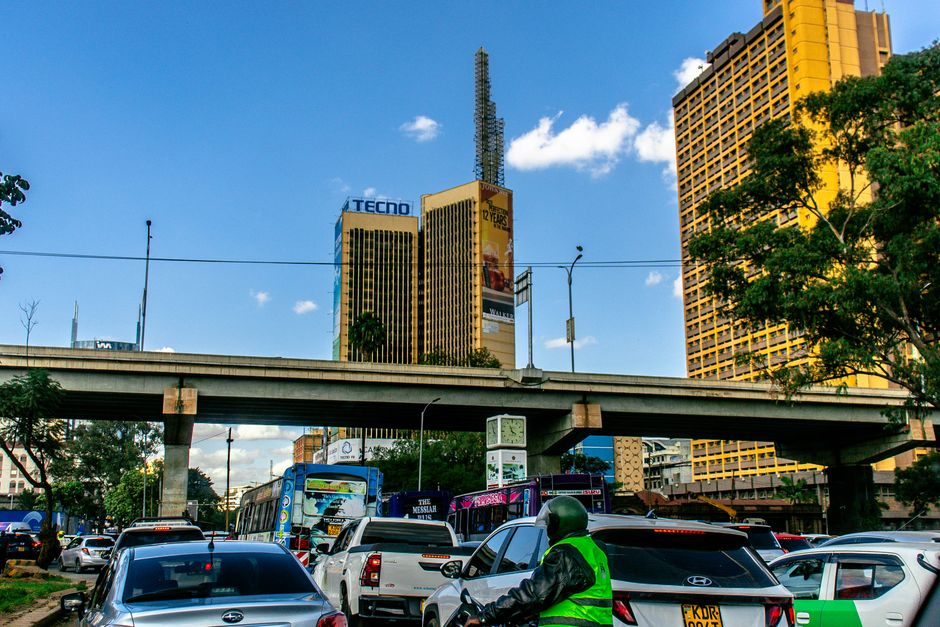
When the Nairobi City County unveiled its digital strategy in 2024, few observers grasped what made it fundamentally different from smart city blueprints emerging in Shanghai, Singapore, or even Lagos. While those cities built top-down infrastructure, Nairobi's transformation has thrived through something messier, more organic: a tech ecosystem where mobile money pioneers, informal sector innovators, and government agencies operate in surprising proximity—literally and philosophically.
Walk through the tech hubs clustering around Westlands and the Upper Hill corridor, and you'll see why. Organisations like the Nairobi Innovation Hub, housed near the Nairobi Central Business District, sit alongside freelancers, civic tech startups, and government digital teams. This proximity isn't accidental. Unlike cities where tech parks segregate themselves from municipal bureaucracy, Nairobi's government technologists work within arm's reach of the very entrepreneurs disrupting their sectors.
The numbers tell the story. Kenya's mobile money ecosystem processes over $40 billion annually through M-Pesa and competitors—a scale that has forced government institutions to think digitally from the ground up. When the Nairobi County launched its revenue collection system overhaul in 2025, they didn't import foreign contractors wholesale. Instead, they contracted local firms who already understood the informal economy's cash flows, the matatus' payment patterns, and the hawkers' digital literacy levels that foreign consultants would have missed entirely.
This local-first approach has created a distinctive advantage. While other African capitals struggle with smart city projects designed by expatriates unaccustomed to power cuts or intermittent internet, Nairobi's civic tech scene builds resilience into every layer. The city's pothole-reporting apps, waste management platforms, and traffic prediction systems all assume connectivity will sometimes fail—and work brilliantly when it does.
By mid-2026, Nairobi's digital transformation has progressed beyond typical metrics. Rather than measuring success through sensor deployment or cloud infrastructure, the city tracks trust: how many informal traders have adopted digital record-keeping, how many county residents use the mobile-first service portal launched in 2025, how many civic tech companies have moved from startup mode to sustained operations.
The result feels distinctly Nairobi. Not a gleaming smart city from a developer's rendering, but a working city where technology serves those actually using it—the matatu crews, the street vendors, the residents of Kibera navigating bureaucracy. That grounded innovation model may prove more valuable globally than any finished-product city could offer.
This article was compiled by AI from the sources linked above and screened before publishing. See our editorial standards.