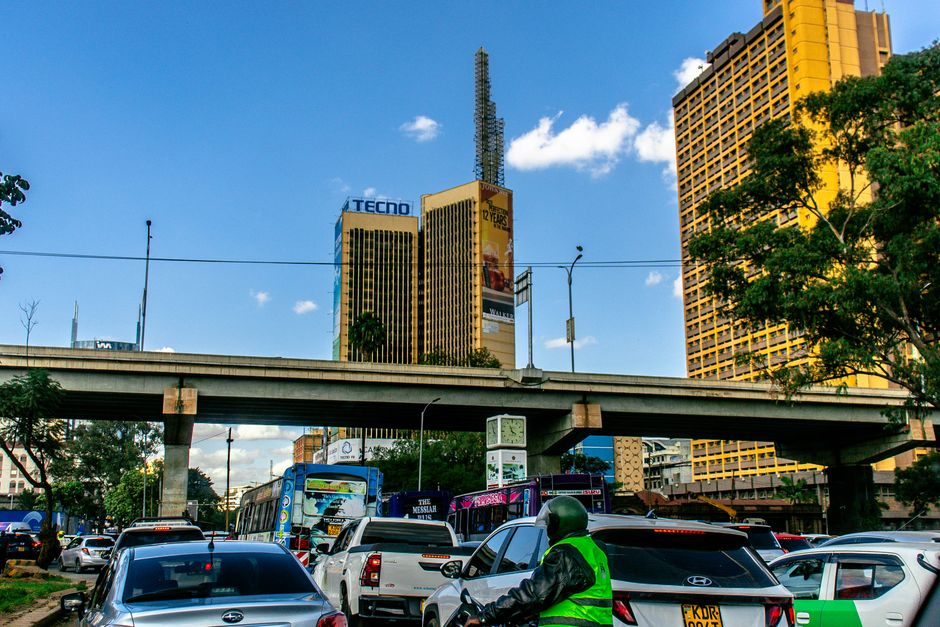
Nairobi's AI-Powered Transport Apps Are Reshaping How Residents Navigate the City
From Westlands to Kibera, machine learning algorithms are cutting commute times and transforming informal mobility into data-driven systems.
From Westlands to Kibera, machine learning algorithms are cutting commute times and transforming informal mobility into data-driven systems.
On any weekday morning, thousands of Nairobi residents open their phones to hail rides, check matatu routes, or book last-mile deliveries—services that didn't exist five years ago. Today, the city's technology sector is fundamentally reshaping urban mobility, and the changes are most visible on the streets of Nairobi's neighbourhoods, where innovation meets real infrastructure challenges.
The shift is particularly pronounced in how residents navigate the notorious Nairobi traffic. Companies operating from tech hubs in Westlands and the Nairobi Innovation District have deployed AI systems that predict congestion patterns on major corridors like Uhuru Highway and Langata Road. One platform now serves over 180,000 daily active users, reducing average commute times by an estimated 18 percent compared to traditional navigation methods. For a resident spending two hours daily in traffic, that represents meaningful time recovered.
The informal transport sector—historically Kenya's backbone for moving people—is experiencing its own technological revolution. Matatu operators in Nairobi are increasingly adopting digital booking systems and GPS tracking, bringing transparency to a sector that previously operated almost entirely on cash and informal networks. Several operators along the busy Ngong Road and Thika Superhighway routes now offer app-based reservations, allowing commuters from South C to Buruburu to pre-book seats rather than crowding physical stages.
Payment technology has amplified this shift. With 80 percent of Nairobi's tech-active population using mobile money platforms, the friction of daily transactions has virtually disappeared. A resident in Kilimani can now settle transport costs, food delivery, and utility bills through integrated fintech applications—a convenience that was aspirational just three years ago.
However, the benefits remain unevenly distributed. While Westlands, Upper Hill, and parts of Nairobi CBD experience near-seamless digital integration, residents in Kibera, Mathare, and Kawangware face persistent connectivity gaps. Data from local tech sector analysts suggests that only 42 percent of informal settlements have reliable 4G coverage, creating a digital divide that mirrors existing economic inequalities.
Despite these challenges, the trajectory is clear. Nairobi's position as East Africa's premier tech hub continues attracting investment and talent. The next frontier involves offline-first applications and solar-powered connectivity solutions—technologies specifically designed for areas where internet reliability remains sporadic.
For most Nairobians navigating downtown gridlock or waiting for delivery service, they're rarely thinking about algorithms. They're simply noticing that getting from point A to point B works better than it used to.
This article was compiled by AI from the sources linked above and screened before publishing. See our editorial standards.
How does this story make you feel?
Spread the word
About this article
Published by The Daily Nairobi
Daily brief
Free, in your inbox before 7am. Weekdays.
More in tech