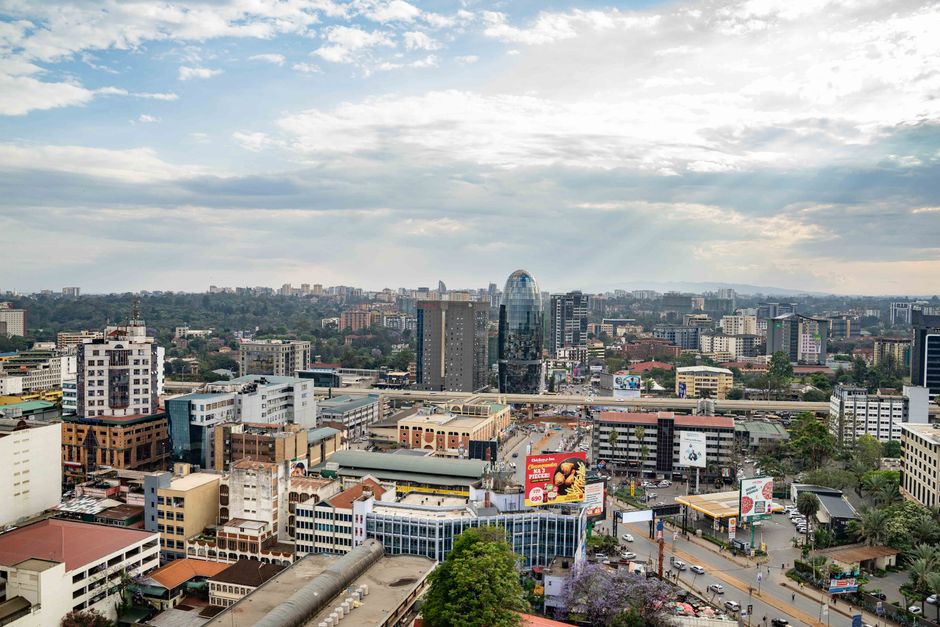
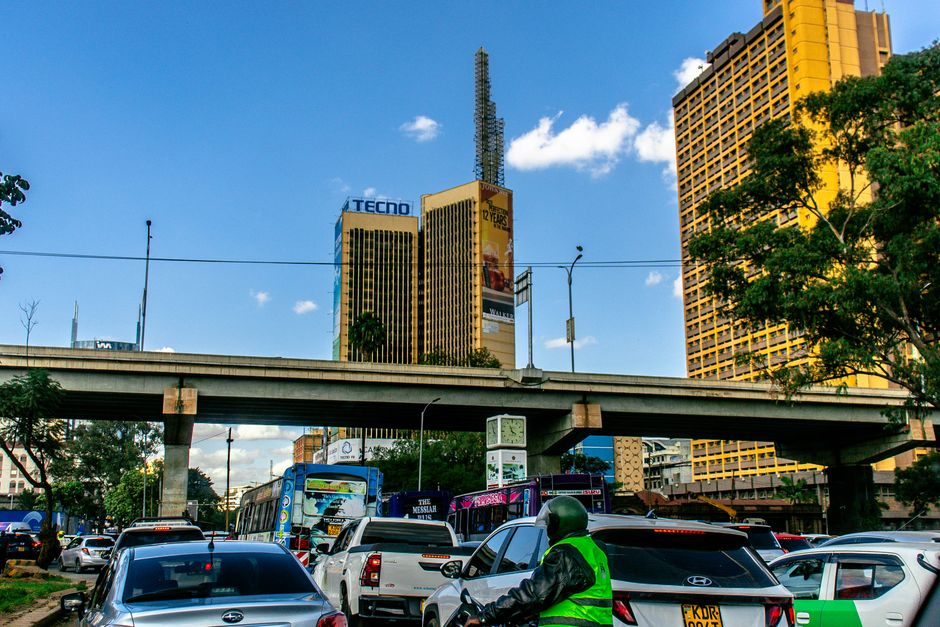
On any given morning, Grace Muthoni sits in bumper-to-bumper traffic on the A104 between Westlands and the CBD, watching her ride-hailing app recalculate her estimated arrival time for the third time in as many minutes. But this week, something changed. Her driver received a real-time alert suggesting an alternate route through Ngong Road—a suggestion powered by algorithms developed just fifteen minutes away in Kilimani, at the offices of a three-year-old startup called PathFinder Analytics.
"I saved twenty minutes yesterday," Muthoni said. "For someone who commutes daily, that's five hours a month."
PathFinder is one of at least twelve homegrown technology companies now operating from Nairobi's innovation hubs—including the Kenya Film Commission's tech campus in Westlands and the emerging startup cluster around iHub in Kilimani—that are quietly reshaping how residents navigate, eat, work, and shop across East Africa's largest city.
The impact is tangible. According to data from the Nairobi City County's Transport Department, average commute times on major corridors have decreased by 8-12 percent since AI-powered traffic prediction tools were integrated with the city's municipal systems in early 2025. For Nairobi's 4.4 million residents, many of whom spend 90 minutes daily in traffic, the savings compound quickly.
Beyond mobility, the technology ecosystem is addressing the logistics nightmare that has long plagued the informal settlements and middle-income neighborhoods. Fresh2You, a Nairobi-based supply-chain platform using machine learning to optimize last-mile delivery, now guarantees same-day service to customers in Eastleigh, Kibera, and Huruma—areas traditionally underserved by formal e-commerce. Monthly delivery costs have dropped from 450 shillings to 120 shillings per item since the platform launched its predictive inventory system six months ago.
"The technology isn't replacing jobs," said a representative from Nairobi's Innovation and Technology County Department. "It's creating new ones. We've seen a 23 percent increase in last-mile delivery jobs across the city since these platforms scaled."
The ripple effects are visible everywhere. Health tech startups are reducing patient wait times at understaffed clinics in South B and Nyayo Estate through appointment-scheduling algorithms. AgriTech firms are helping small-scale farmers in the Nairobi periphery reduce post-harvest losses by 30 percent through predictive analytics. Even informal traders in Gikomba Market are adopting mobile payment solutions that reduce transaction times from minutes to seconds.
For residents accustomed to technological innovation arriving from Silicon Valley or Shenzhen, the novelty is local ownership. These aren't American or Chinese solutions retrofitted for African cities—they're built by Nairobians, for Nairobi's specific constraints and opportunities, making them faster to deploy and cheaper to sustain.
This article was compiled by AI from the sources linked above and screened before publishing. See our editorial standards.