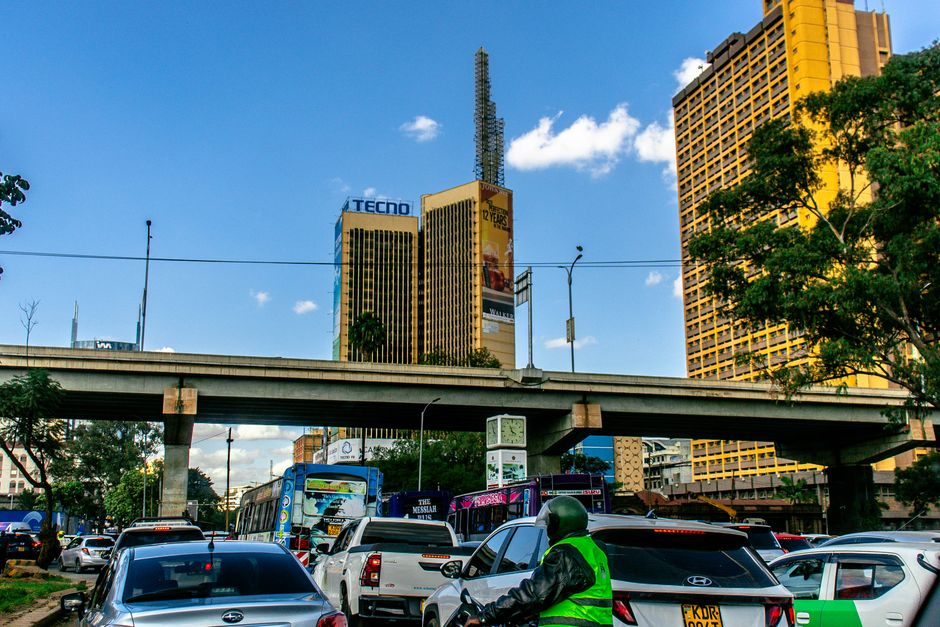
Nairobi's technology ecosystem is entering a pivotal phase. City planners, developers, and government agencies are aligning on a concrete roadmap of digital products set to launch over the next 24 months—transformations that go far beyond incremental improvements to redefine how Africa's tech hub operates.
The most anticipated initiative involves an integrated mobility platform targeting Uhuru Highway, Mombasa Road, and the Southern Bypass. Sources familiar with the Nairobi City County's transport division indicate that a real-time, AI-powered traffic management system is in advanced testing phases. The system will combine live vehicle tracking, predictive congestion modelling, and dynamic lane management to reduce average commute times by an estimated 18 percent. Initial deployment is scheduled for Q3 2027, with expansion to include matatu operators by mid-2028.
Equally ambitious is the rollout of a unified digital permitting platform for businesses in the Central Business District and emerging tech zones like Westlands and the Upper Hill corridor. Currently, business registration across multiple county departments can take weeks; the new system promises same-day licensing through a single digital interface. Beta testing begins in Parklands in Q4 2026.
Water management is another critical frontier. A sensor-enabled distribution network is being installed across Kasarani and Embakasi constituencies, where leakage rates exceed 35 percent. The Internet of Things (IoT) infrastructure will feed real-time data to a cloud analytics platform, allowing Nairobi Water and Sewerage Company to identify pipe failures within hours rather than days. Cost projections suggest savings of over KES 200 million annually by 2029.
Blockchain-based property registration represents perhaps the most transformative long-term play. The Nairobi Lands Registry is piloting a distributed ledger system for title deeds in select areas of Karen and Kilimani. If successful, the model could eliminate costly paper archives and reduce land dispute resolution timelines from months to weeks—a breakthrough for a city where property litigation remains endemic.
Finally, a citizen-facing data dashboard launching in early 2027 will aggregate public health metrics, air quality readings, waste collection schedules, and security incident maps for all 17 constituencies. Residents will access this through a mobile app developed by the county's new digital innovation unit, headquartered in Nairobi Innovation Hub on Wood Avenue.
These developments reflect a broader maturation. Nairobi is moving beyond startup culture toward institutional digital infrastructure—the unglamorous but essential plumbing that underpins liveable, functional cities. Success here could position the capital as a model for urban tech adoption across the continent.
This article was compiled by AI from the sources linked above and screened before publishing. See our editorial standards.