Nairobi's Digital Blueprint: What's Next in the Smart City Pipeline
From integrated transport systems to AI-powered utility management, Nairobi's tech leaders are mapping ambitious upgrades that could reshape how the capital operates by 2028.
From integrated transport systems to AI-powered utility management, Nairobi's tech leaders are mapping ambitious upgrades that could reshape how the capital operates by 2028.
The gleaming tech hubs of Westlands and the innovation clusters sprouting across Nairobi's suburbs aren't just generating startups anymore—they're incubating the infrastructure that will define the city's next decade. Behind closed doors at the City County offices and in collaboration labs across Nairobi, government technologists and private sector partners are finalising roadmaps for smart city initiatives that extend far beyond the popular narrative of app-based solutions.
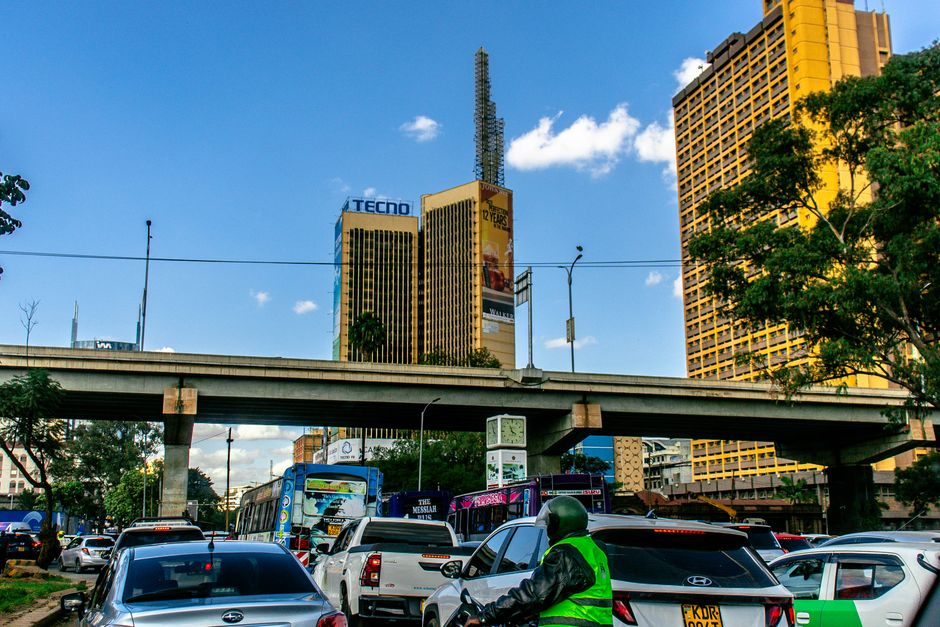
The most significant development underway is an integrated Intelligent Transport Management System, slated for pilot deployment across the Nairobi Central Business District by Q2 2027. Unlike fragmented traffic apps currently used across Nairobi's notorious congestion corridors, this system will coordinate real-time data from sensors embedded in major thoroughfares—from Uhuru Highway to Mombasa Road—feeding predictive analytics to both motorists and city planners. Early estimates suggest a potential 18-22% reduction in peak-hour congestion times, directly impacting the estimated 4.5 million daily commuters.
Water management represents another critical frontier. The Nairobi City Water and Sewerage Company is developing an AI-enabled leak detection network targeting the capital's chronic water loss problem. Currently, approximately 48% of treated water is lost to leakages before reaching consumers—a figure that digital monitoring systems promise to reduce significantly. Pilot installations are planned for affluent Kilimani and Lavington neighbourhoods before scaling to informal settlements where water access remains sporadic.
Energy efficiency infrastructure is equally ambitious. Smart metering rollouts, initially concentrated in Karen and Runda, aim to modernise Nairobi's power consumption tracking by late 2027. These systems will enable dynamic pricing models and real-time demand forecasting, crucial as the city's energy infrastructure strains under rapid urbanisation pressures.
Perhaps most transformative is the proposed Unified Digital Services Platform, essentially a single-window portal for all municipal transactions. Rather than navigating separate offices across the sprawling County complex, residents could renew business licences, pay property taxes, or register events from any connected device. Developers at local tech firms are already prototyping interfaces designed for Kenya's diverse internet connectivity landscape—crucial given that digital access remains uneven across Nairobi's varied neighbourhoods.
These initiatives arrive as Nairobi positions itself as East Africa's tech epicentre, competing with Lagos and Cape Town for regional dominance. Success requires sustained investment; current estimates place the five-year smart city implementation budget at approximately KES 45-65 billion. Government officials acknowledge the challenge, but the momentum appears genuine. For Nairobi's residents, these aren't distant promises—they're becoming operational reality.
This article was compiled by AI from the sources linked above and screened before publishing. See our editorial standards.
How does this story make you feel?
Spread the word
About this article
Published by The Daily Nairobi
Daily brief
Free, in your inbox before 7am. Weekdays.
More in tech