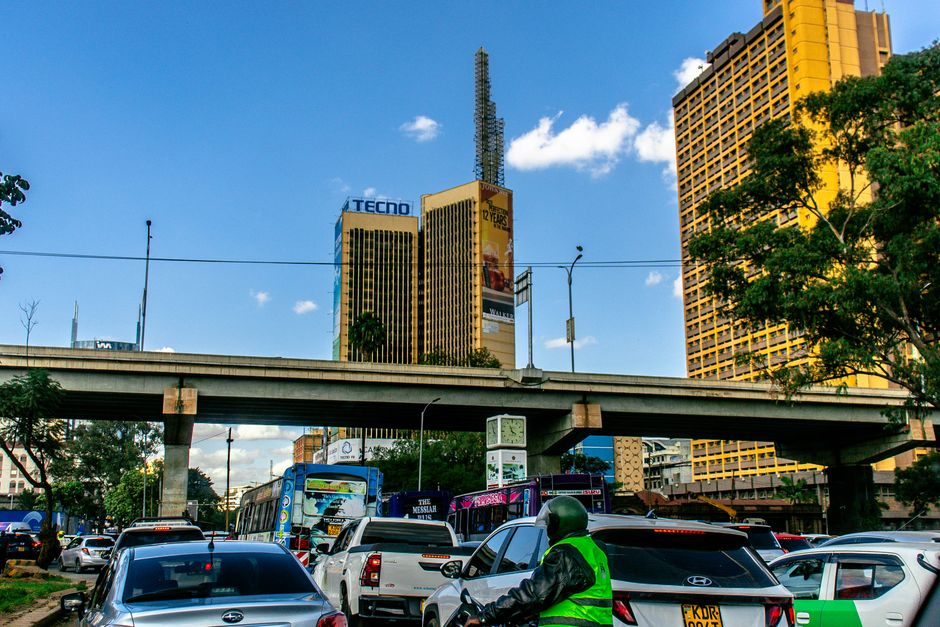
On any given afternoon in Westlands, you'll spot them: young entrepreneurs on motorcycles, their phones mounted on handlebars, navigating Nairobi's notorious traffic with surgical precision. They're part of a quietly revolutionary shift transforming how two million Nairobians access goods, earn income, and move through the city—one powered almost entirely by homegrown technology companies.
Over the past 18 months, a cluster of AI-driven logistics platforms built by Nairobi-based startups has fundamentally altered the economics of urban delivery. Companies operating from hubs in areas like the Nairobi Securities Exchange building and tech spaces along Valley Road have deployed machine learning algorithms that optimise routes in real-time, reducing delivery times from hours to 45 minutes for orders across central business districts and neighbourhoods like Kilimani, Parklands, and even pockets of South B.
The impact on everyday costs is measurable. A resident ordering groceries from a supermarket along Ngong Road can now expect charges of 200-350 shillings—down from 500-800 shillings just two years ago. The technology achieves this by batching orders intelligently and predicting demand patterns, allowing riders to make multiple stops per trip rather than single deliveries.
But perhaps more significantly, these platforms have created an alternative income stream for over 12,000 gig workers across the city. Riders earn between 1,200 and 2,800 shillings daily—more than many formal sector entry-level positions—while maintaining the flexibility that appeals to Nairobi's large informal workforce. A 2025 survey by the Nairobi Tech Association found that 67% of gig workers using these apps cited reliable, algorithm-managed income as transformative for their families.
The ripple effects extend beyond logistics. Real estate agents in Eastleigh and Karen are using location intelligence platforms built by local developers to match renters with properties in under 24 hours. Healthcare startups integrated into these networks now deliver medications to homebound patients across wider geographic areas. Small businesses in Gikomba market have begun using demand-prediction tools—free through app partnerships—to optimise inventory.
Not everyone benefits equally. Informal transport operators and small shop owners dependent on foot traffic have felt margin pressure. Yet city planners note that the reduction in delivery vehicle congestion on roads like Uhuru Highway and Mama Ngina Street has improved average commute times by roughly 12 minutes during peak hours.
As Nairobi's tech ecosystem matures—venture capital flowing into local startups nearly tripled in 2025—the next frontier appears to be hyperlocal manufacturing clusters that could further compress costs and create yet another layer of employment for residents.
This article was compiled by AI from the sources linked above and screened before publishing. See our editorial standards.