Nairobi's Tech Scene Is Quietly Reshaping City Infrastructure: \1's What's Happening Now
From Westlands to Kasarani, startups and government agencies are piloting digital systems that could transform how Africa's fourth-largest city operates.
From Westlands to Kasarani, startups and government agencies are piloting digital systems that could transform how Africa's fourth-largest city operates.
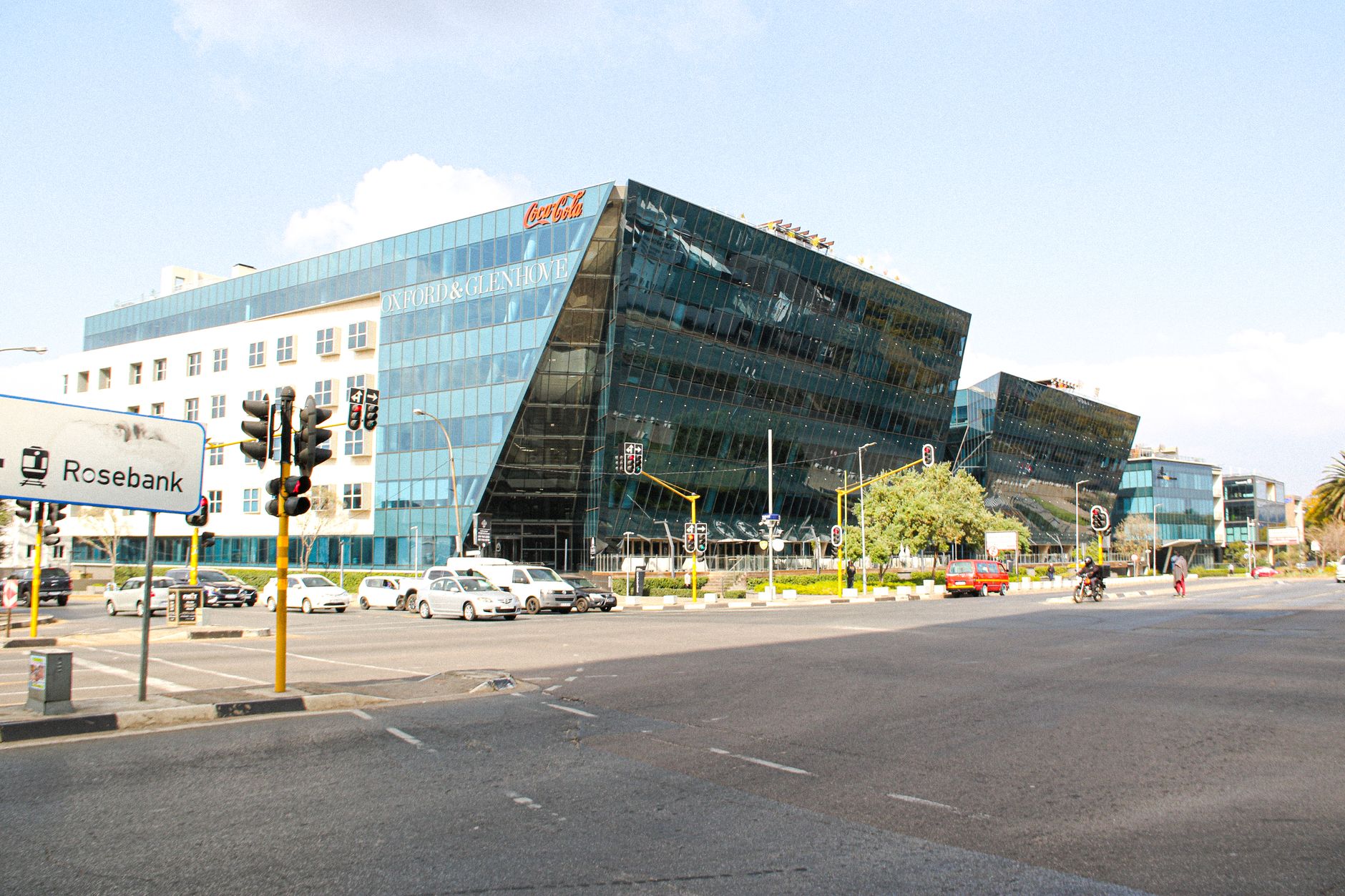
Walk through Westlands on any given Tuesday and you'll spot founders hunched over laptops in co-working spaces, pitching smart mobility solutions to county officials. This is the Nairobi of 2026—a city where the boundary between startup hustle and government transformation has grown decidedly blurry.
The County Government of Nairobi has quietly accelerated its digital transformation agenda this year, launching several pilot programmes that directly involve the tech community. In April, the Nairobi Metropolitan Services partnered with three homegrown firms to test real-time traffic management systems across major corridors—Thika Road, the Southern Bypass, and Mombasa Road. Early results show a 12-15% reduction in congestion during peak hours, according to briefings shared with industry stakeholders at the Innovation Hub in Nairobi's CBD last month.
What makes this moment distinct is the speed of iteration. Unlike previous government technology rollouts that took years, these pilots operate on 90-day cycles. A waste management startup based in Kilimani has deployed IoT sensors in 200 bins across Eastleigh and Parklands, feeding data into a dashboard that optimises collection routes. The county is considering expansion to 2,000 units by year-end.
The financial climate is tightening, though. Venture funding for Nairobi-based govtech and smart city startups dropped 23% year-on-year, according to data from the Kenya Private Sector Alliance. Yet paradoxically, deal flow with government agencies is up 31%. "Investors are cautious, but government contracts provide runway," explains the ecosystem. Several firms that pivoted to B2G models—selling directly to county departments rather than chasing Series A rounds—report healthier unit economics than their venture-backed peers.
The Nairobi Innovation and Technology Centre in Kikuyu has become a de facto war room for these partnerships. Monthly roundtables convene county IT directors, startup founders, and development partners to troubleshoot everything from data interoperability standards to cybersecurity protocols. The county's Chief Information Officer has signalled commitment to open-source infrastructure, a stance that delights local developers but raises eyebrows among proprietary vendors.
Challenges remain acute. Last month's power outages across the CBD exposed fragile redundancy in several pilot systems. Staffing constraints at county IT departments mean implementation timelines slip regularly. And there's lingering institutional inertia—procurement processes still favour established vendors, leaving scrappier startups frustrated.
Yet the momentum is unmistakable. Nairobi isn't just talking about smart cities anymore. It's building them, one pilot at a time, with homegrown talent leading the charge.
This article was compiled by AI and screened before publishing. See our editorial standards.
How does this story make you feel?
Spread the word
About this article
Published by The Daily Nairobi
Daily brief
Free, in your inbox before 7am. Weekdays.
More in tech