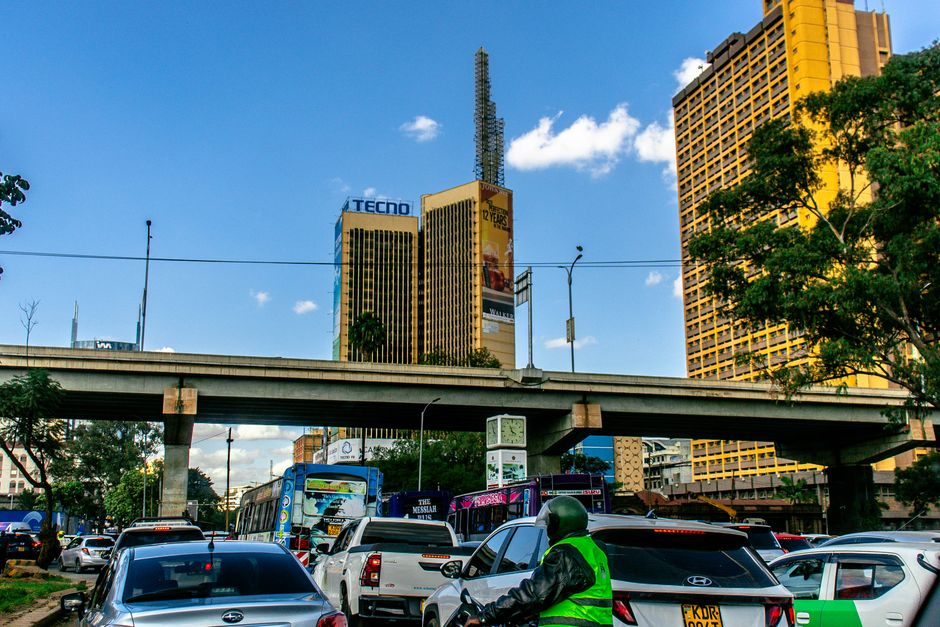
Walk through Westlands or the Innovation Hub at iHub on Bishop Road, and you'll find engineers sketching blueprints for tomorrow's energy landscape. Kenya's clean tech sector isn't waiting—it's building. With electricity demand projected to surge 40% by 2030 and global climate commitments hanging in the balance, the next wave of green innovations is already taking shape in Nairobi's labs and startup incubators.
The immediate frontier is decentralised energy storage. Several Nairobi-based firms are developing affordable lithium iron phosphate batteries designed for the Sub-Saharan grid, targeting costs below $80 per kilowatt-hour by 2027. This matters: it could finally solve the intermittency challenge that has plagued Kenya's renewable ambitions for years. The tech would be deployed in clusters across industrial parks in Embakasi and Athi River, smoothing power supply while reducing reliance on diesel generators.
Solar integration is evolving faster than headlines suggest. Beyond rooftop panels, the next phase involves building-integrated photovoltaic (BIPV) materials—essentially, windows and facades that generate electricity. Prototype installations are expected at commercial properties along Mombasa Road by Q1 2027. One startup has already signed letters of intent with three major real estate developers in Upper Hill.
Electric mobility infrastructure remains critical. While EV adoption in Kenya has climbed steadily, the charging network is fragmented. Nairobi-based entrepreneurs are developing ultra-fast charging hubs scheduled for Nairobi's outer ring road and key transit corridors—aiming to cut charging time from 45 minutes to under 12 minutes using advanced converter technology. The first hub is targeted for completion near the Juja Road industrial zone.
Less visible but potentially transformative: green hydrogen pilots. Two energy labs in South C are experimenting with electrolysis systems powered by solar farms in Turkana, producing hydrogen for industrial use. Small-scale pilots start in 2027, with commercial viability targeted by 2029. This could unlock export opportunities while decarbonising cement and steel production locally.
Grid modernisation through artificial intelligence is also progressing quietly. Smart grid algorithms developed by Nairobi tech teams are being tested on Kenya Power's network to predict demand patterns and optimise renewable integration—reducing waste by an estimated 8-12%.
The bottleneck remains funding. While global climate finance has increased, deployment capital for Nairobi-based innovators remains constrained. Yet momentum is undeniable. By late 2027, the cumulative effect of these developments could reshape Kenya's energy profile—moving it measurably closer to its target of 100% renewable electricity by 2030.
For a city that has pioneered mobile money and digital innovation, clean energy offers the next frontier where Nairobi's talent can drive continental change.
This article was compiled by AI from the sources linked above and screened before publishing. See our editorial standards.