On a Tuesday morning in Westlands, Mercy Kipchoge transfers KES 15,000 to her mother in Kitale using a fintech app on her smartphone—no bank branch visit, no queues, no paperwork. By noon, the money is in her mother's digital wallet. This scene, unimaginable a decade ago, is now so routine that most Nairobians barely pause to consider the revolution it represents.
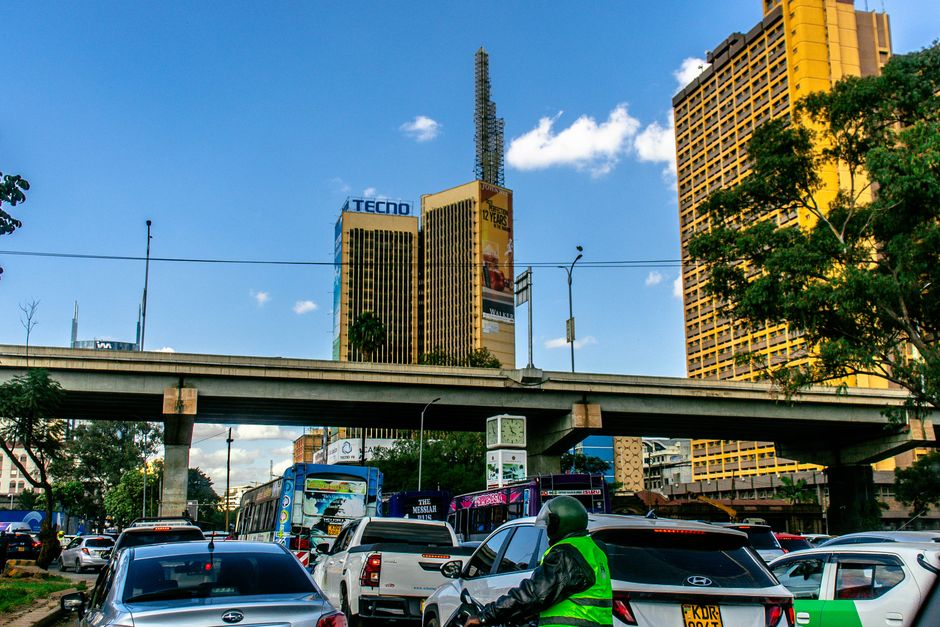
The fintech boom reshaping Kenya's capital has moved far beyond the venture-backed startups clustering around the Google Campus on Kasuku Road. Today, it touches nearly every economic transaction in the city. From matatus along Thika Road accepting digital payments via USSD codes, to small traders in the River Road wholesale market using smartphone point-of-sale terminals, fintech has become the nervous system of urban commerce.
The numbers tell the story. Over 75% of Nairobi's adult population now has access to mobile money services, with Safaricom's M-Pesa, while newer players like Pesapal and Flutterwave have fractured the market and driven innovation. Average transaction volumes across digital payment platforms have grown 40% year-on-year since 2023, according to industry trackers. For the informal sector—which employs roughly 60% of Nairobi's workforce—this means access to credit history and formal financial services previously locked behind bank vaults.
But the transformation is uneven. While a software engineer in Kilimani accesses investment platforms offering stock market entry at KES 100, vendors in Gikomba market remain dependent on mobile money dealers who charge extractive fees. The digital divide persists: broadband penetration in Karen and Lavington exceeds 85%, while in Mathare and Korogocho it hovers around 35%.
Still, change is visible. Credit unions across the city now partner with fintechs to offer instant loans to members. Small business owners from Nairobi Centre's office towers to the informal traders' corridors of Eastleigh can access working capital within hours rather than weeks. The impact on daily existence—reduced time spent in financial transactions, greater control over cash flow, and new pathways to entrepreneurship—cannot be overstated.
As Nairobi's fintech ecosystem matures, the challenge ahead is ensuring that innovation reaches beyond the affluent enclaves. The question is whether the next wave of financial technology will bridge the city's persistent inequality, or deepen it further.
This article was compiled by AI and screened before publishing. See our editorial standards.