Why Nairobi's Smart City Push Stands Apart in the Global Tech Race
From fintech infrastructure to grassroots innovation hubs, Nairobi is building digital transformation on distinctly African terms.
From fintech infrastructure to grassroots innovation hubs, Nairobi is building digital transformation on distinctly African terms.
Listen to this article · 3:52
When the Nairobi City County launched its Smart Nairobi initiative in 2023, it didn't simply import a Silicon Valley playbook. Instead, the city began threading together its existing strengths—mobile money dominance, a thriving startup culture, and informal sector ingenuity—into something genuinely distinctive on the world stage.
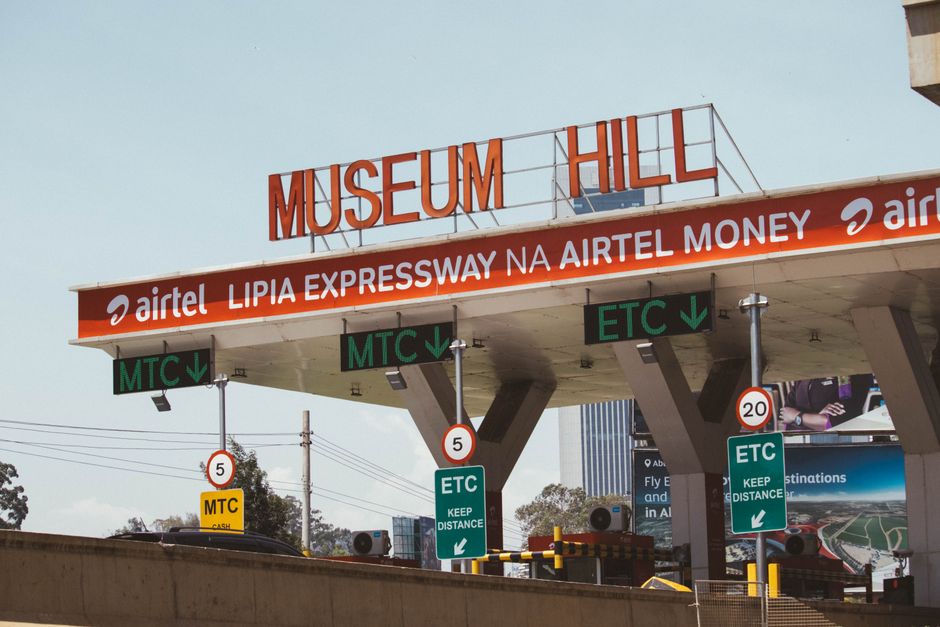
Unlike most global smart city efforts that prioritise sleek infrastructure first, Nairobi's approach recognises that 70 percent of the city's workforce operates informally. The integration of M-Pesa into traffic management systems along Uhuru Highway, for instance, allows street vendors and informal traders to pay parking fees via their phones—a practical innovation born from understanding local economic realities rather than imposing top-down solutions. This is not merely convenience; it's financial inclusion baked into urban infrastructure.
The city's tech ecosystem cluster extends beyond the well-known iHub and Nairobi Innovation Hub in Westlands. Gikomba, traditionally a wholesale market, has become an unlikely testbed for last-mile logistics optimisation. Small merchants using rudimentary smartphone apps now coordinate deliveries across the city with efficiency that rivals formal warehousing operations. This organic digitisation—emerging from below rather than mandated from above—characterises Nairobi's approach to smart city development.
Data from the Nairobi Tech Hub Report (2025) shows 3,400 active tech companies in the metropolitan area, generating approximately $2.1 billion in annual revenue. What distinguishes this ecosystem is its focus on solving African problems for African markets. Nairobi-based developers working on water management systems, renewable energy microgrids, and healthcare delivery are not chasing venture capital dollars in the way their counterparts in Lagos or Cape Town might. Instead, many are driven by the practical urgency of serving 4.8 million residents across vastly unequal infrastructure landscapes.
The Nairobi County's partnership with private operators on the Integrated Traffic Management System represents another distinctive element: public-private collaboration that doesn't cede control to corporations. The city retains data ownership while leveraging tech company expertise—a model increasingly scrutinised but rarely implemented elsewhere in Africa.
As geopolitical tensions reshape global tech supply chains and funding landscapes, Nairobi's strength lies not in competing with established smart cities on their terms, but in demonstrating that digital transformation rooted in local economic realities, informal sector dynamics, and community-driven innovation may prove more resilient than top-down corporate models. That distinction—pragmatism over prestige—is quietly making Nairobi a reference point for cities far beyond East Africa.
This article was compiled by AI and screened before publishing. See our editorial standards.
How does this story make you feel?
Spread the word
About this article
Published by The Daily Nairobi
Daily brief
Free, in your inbox before 7am. Weekdays.
More in tech