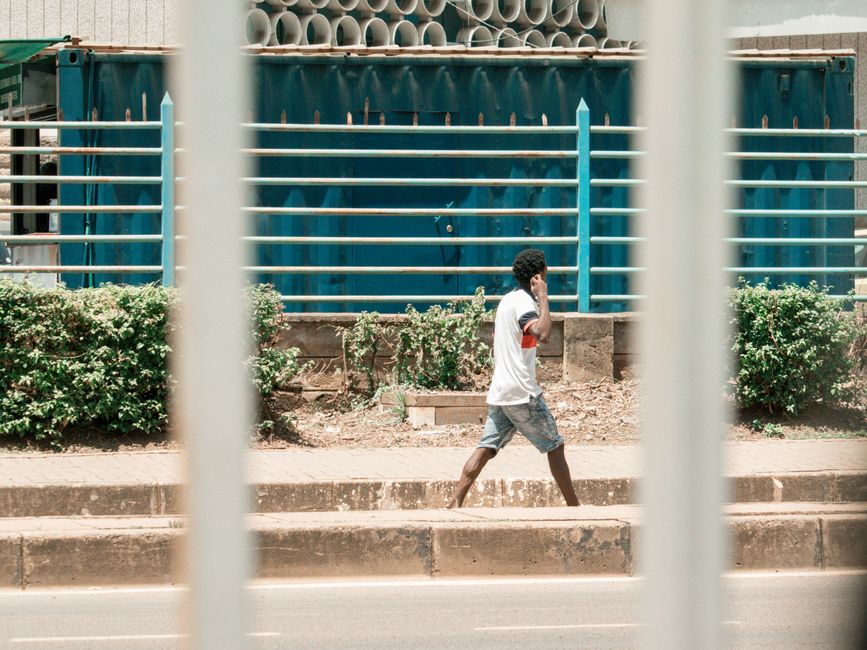
Walk through Uhuru Park on a Saturday morning and you'll witness Nairobi's best-kept secret: hundreds of seniors moving with purpose. Yet this organic fitness culture masks a sobering reality. While global wellness markets report 40% year-on-year growth in active ageing programmes—with specialised gyms, mobility coaching, and fall-prevention classes now standard in cities from Singapore to Stockholm—Nairobi remains largely ad hoc in its approach to senior wellness and mobility.
The contrast is striking. International data shows that structured exercise reduces fall risk by up to 35% in adults over 65. In Nairobi, most seniors either follow Kenya's legendary running heritage informally or access limited, fragmented services. The Aga Khan Hospital has launched geriatric wellness consultations, but at 15,000 KES per session, accessibility remains narrow. Meanwhile, neighbourhood gyms in Westlands and along State House Road charge 2,000–3,500 KES monthly, with few staff trained specifically in senior mobility and injury prevention.
What makes Nairobi unique is its natural advantages. The Karura Forest trails, free and world-class, attract seniors daily. Muthaiga and Karen residents enjoy proximity to open spaces that many ageing populations in denser cities cannot access. Yet without formal programming—guided slow-walk groups, mobility workshops, or certified trainers—these assets remain underutilised by vulnerable seniors who might benefit most.
Global trends emphasise prevention: balance training, resistance work, and flexibility routines delivered in accessible formats. In London and Melbourne, local council-funded programmes for over-65s are standard. In Nairobi, this responsibility falls largely to private wellness centres and NGOs, creating a two-tier system where affluent seniors in Kilimani access physiotherapy and movement classes while others rely on informal community walking groups.
The good news: momentum is building. Organisations like Nairobi Running Doctors and emerging fitness studios in Riverside and Kilimani are beginning to recognise this market. Some corporate wellness programmes now include senior mobility for employees' parents. The Kenya Red Cross has piloted fall-prevention workshops in Mathare and Embakasi.
For Nairobi to close the gap with global best practice, it needs three shifts: formalised training for fitness instructors in gerontology, subsidised community programmes in high-density areas, and integration of traditional knowledge—herb sellers and elderly healers—alongside modern physiotherapy. Nairobi's natural assets and deep running culture are advantages. Now they need structure, investment, and intention to serve all seniors, not just the few.
This article was compiled by AI from the sources linked above and screened before publishing. See our editorial standards.