How to start a walking group in your neighbourhood
Nairobi's fitness culture is thriving—here's how to build community connection one step at a time.
Nairobi's fitness culture is thriving—here's how to build community connection one step at a time.
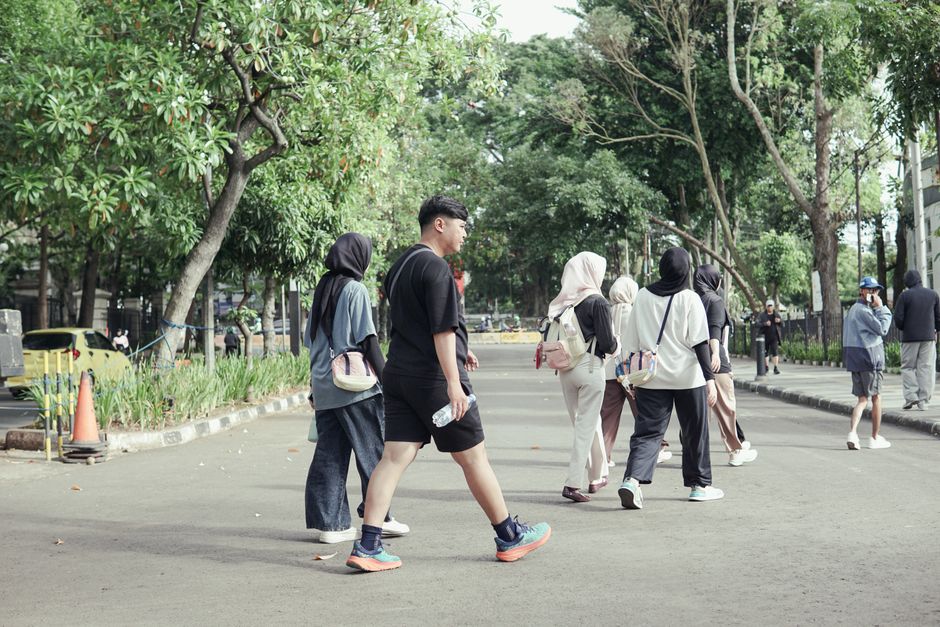
Walking remains one of Nairobi's most accessible fitness activities, yet many neighbourhoods lack the organised community groups that transform solitary strolls into social wellness experiences. If you've noticed locals in Westlands, Kilimani, or around Uhuru Park exercising solo, it's time to change that dynamic—and starting a neighbourhood walking group is simpler than you might think.
The first step is identifying your route and audience. Scout your area for safe, well-lit paths. Riverside Drive in Westlands, the Karura Forest perimeter trails, or even the residential streets around Lavington offer natural options depending on your neighbourhood's geography. Determine your group's pace: a beginner-friendly 4-5 km/hour walk appeals to diverse ages, while fitness enthusiasts might prefer brisk 6 km/hour outings. Starting with a modest goal—say, twice weekly at 6:30 a.m. before work commitments—builds consistency.
Leverage existing community infrastructure. Many neighbourhoods have WhatsApp groups, community associations, or churches with bulletin boards. Post flyers at local gyms, supermarkets like Nakumatt or Quickmart branches, and cafés frequented by your target demographic. Digital promotion through Instagram and Facebook costs nothing and reaches engaged audiences quickly. Kenya's running culture—celebrated through events like the Standard Chartered Marathon—has primed Nairobians to embrace group fitness; tap into that enthusiasm.
Safety and logistics matter. Ensure your route avoids isolated areas, particularly in early morning hours. Consider partnering with local security or identifying a trained first-aider within your group. Establish simple guidelines: bring water, wear reflective gear if walking before sunrise, and agree on a meeting point—perhaps a recognisable landmark like a specific gate or shop.
Build momentum through consistency and inclusivity. Your first walk might attract three people; by week four, you could have twelve. Create a simple rotation for leadership so the burden doesn't fall entirely on you. Celebrate milestones—perhaps a monthly longer walk or a post-walk coffee gathering at a neighbourhood café.
Many successful Nairobi groups charge minimal fees (Sh100-200 monthly) for basic coordination and occasional prizes, though free groups thrive too. The Aga Khan Hospital and similar wellness-focused organisations sometimes sponsor community health initiatives—worth exploring as your group gains traction.
The beauty of neighbourhood walking groups lies in their simplicity and impact. You're not just improving cardiovascular health and building joint strength; you're creating accountability partners, discovering new routes, and strengthening community bonds. In a city as dynamic as Nairobi, that's wellness with real neighbourhood value.
This article was compiled by AI from the sources linked above and screened before publishing. See our editorial standards.
How does this story make you feel?
Spread the word
About this article
Published by The Daily Nairobi
Daily brief
Free, in your inbox before 7am. Weekdays.
More in Wellness