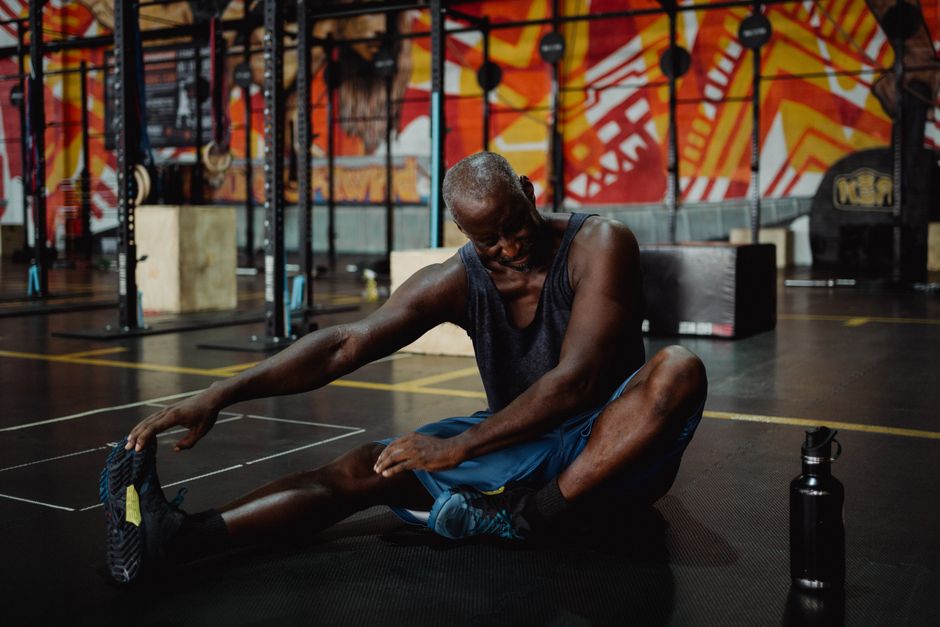
Global wellness markets are booming around senior active ageing. From Scandinavia's fall-prevention clinics to California's age-tech startups, wealthy nations are investing heavily in keeping people over 60 mobile, independent, and engaged. Yet in Nairobi, where the proportion of older adults is rising steadily, uptake of formal mobility and strength programmes remains modest—even as the city's running culture and outdoor fitness infrastructure create ideal conditions for growth.
The numbers tell the story. In the UK and Australia, physiotherapy-led active ageing programmes reach an estimated 15–20 per cent of over-60s. In Nairobi, formal programmes through private clinics like Aga Khan Hospital or smaller physiotherapy studios in Westlands and Kilimani serve perhaps 2–3 per cent of the city's senior population. Most Nairobians rely on informal activity: morning walks in Karura Forest, casual fitness at Uhuru Park, or family-based routines.
The barrier is partly economic. Global programmes cost $50–150 monthly; private physio sessions in Nairobi run 3,000–6,000 Kenyan shillings per appointment, putting structured care out of reach for most middle-income retirees. Public health systems, meanwhile, offer little beyond acute care. Yet Kenya's elite running culture—the same ethos that produces world-class marathon runners—has created a fitness-conscious mindset that could anchor a local senior wellness movement.
Early signs of change exist. NGOs like HelpAge International work in informal settlements, while a handful of gyms in Karen and Spring Valley now offer low-impact classes. Community health workers in Eastleigh and Mathare are beginning to promote joint-friendly movement. But coordination is weak, and awareness among seniors themselves remains low.
The opportunity is clear. Nairobi's geography—Karura's shaded trails, Uhuru Park's accessibility, the numerous neighbourhood parks—mirrors what affluent cities leverage for senior mobility programmes. A 2024 study by the East African Medical Research Council found that regular, guided movement reduced fall risk by 30 per cent among over-60s in urban Kenya, yet few practitioners market such findings locally.
What's needed is a bridge between global best practice and Nairobi's existing strengths: cheap outdoor space, a culture of communal movement, and growing awareness of ageing health. Public-private partnerships, subsidised community classes, and training for community health workers could scale impact without the costs that limit programmes in wealthy nations. Until then, Nairobi's seniors will continue to age differently from their global peers—not because they lack capacity or willingness, but because the scaffolding to support active ageing simply hasn't been built.
This article was compiled by AI from the sources linked above and screened before publishing. See our editorial standards.