What actually works: An evidence-based preventive health guide tailored to Nairobi's climate and lifestyle
From altitude-related blood pressure to tropical infections, here's what medical data shows will protect your health in our city.
From altitude-related blood pressure to tropical infections, here's what medical data shows will protect your health in our city.
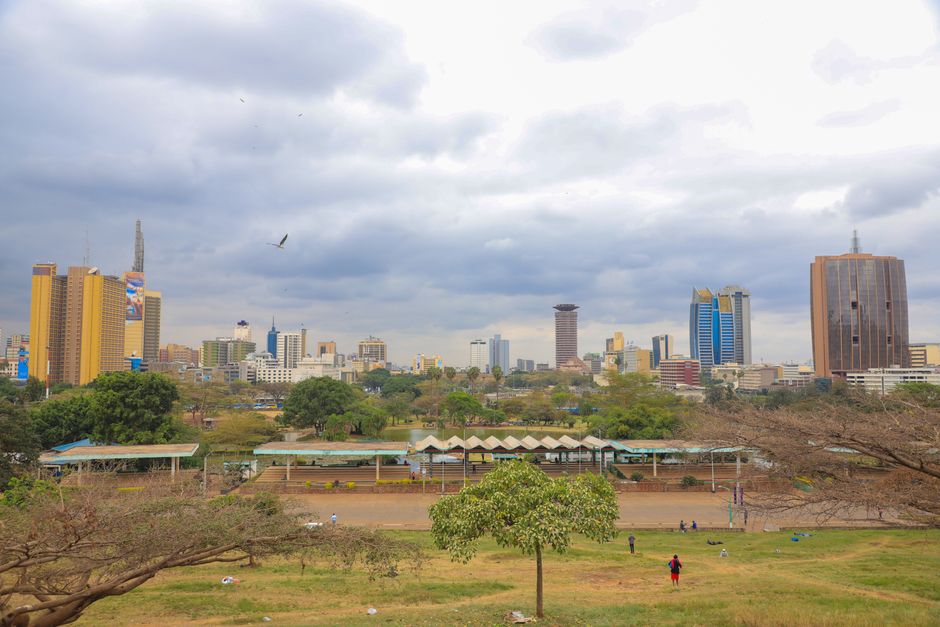
Nairobi's 1,600-metre elevation, traffic pollution, and tropical disease landscape create unique health pressures. Yet most preventive advice ignores these realities. We spoke with local health data to identify screening protocols that genuinely matter here.
Altitude and cardiovascular risk
Living at Nairobi's elevation increases red blood cell production, raising cardiovascular strain. The Kenya Heart and Stroke Foundation estimates hypertension affects one in four adults in the city. Blood pressure screening should happen annually—not just when you feel unwell. Aga Khan Hospital and Nairobi Hospital both offer affordable baseline checks (typically Ksh 2,000–3,500). If you're over 40, run, or commute through heavy traffic on roads like Waiyaki Way or the Southern Bypass, baseline screening is non-negotiable.
Malaria and dengue prevention starts with screening
Nairobi's informal settlements and wetland areas around Mathare and Kibera remain malaria-endemic. The WHO recommends a single malaria blood test for anyone who's lived here more than three months. Dengue cases spike seasonally; if you develop fever, rash, or joint pain within two weeks of travel to lower-lying regions, seek testing immediately. Both are treatable if caught early.
Tuberculosis: Silent prevalence
Kenya's TB burden sits at approximately 120,000 cases annually. Persistent cough lasting over two weeks—not just among smokers—warrants a chest X-ray and sputum test. These are available at Kenyatta National Hospital and most private clinics for under Ksh 1,500. Early detection transforms outcomes dramatically.
Cholesterol and diabetes screening timelines
Standard guidelines suggest screening at 40 for men, 50 for women. Nairobi's sedentary office culture and high-sugar diet patterns mean consider screening five years earlier. A fasting lipid panel and glucose test costs around Ksh 3,000–4,000 and takes one morning.
What works here, practically
Bundle screening: Many clinics offer packages combining blood pressure, malaria, TB, cholesterol, and glucose testing for Ksh 6,000–8,000. This is more efficient than repeat visits. Schedule appointments early (before 8 a.m.) to avoid afternoon fatigue affecting test reliability.
Your neighbourhood matters. Residents of Karura, Westlands, and Karen have different disease exposure than those in South B or Eastleigh. Discuss your specific zone with your doctor.
Prevention isn't exotic. It's systematic, local, and evidence-driven. Start with one screening. Most Nairobians discover manageable conditions early when they do.
This article was compiled by AI from the sources linked above and screened before publishing. See our editorial standards.
How does this story make you feel?
Spread the word
About this article
Published by The Daily Nairobi
Daily brief
Free, in your inbox before 7am. Weekdays.
More in Wellness