Group Exercise Classes at Council-Run Facilities: A Guide
Nairobi's affordable fitness revolution is happening in your neighbourhood – here's where to find council-run gyms, aerobics studios and outdoor fitness programmes.
Nairobi's affordable fitness revolution is happening in your neighbourhood – here's where to find council-run gyms, aerobics studios and outdoor fitness programmes.
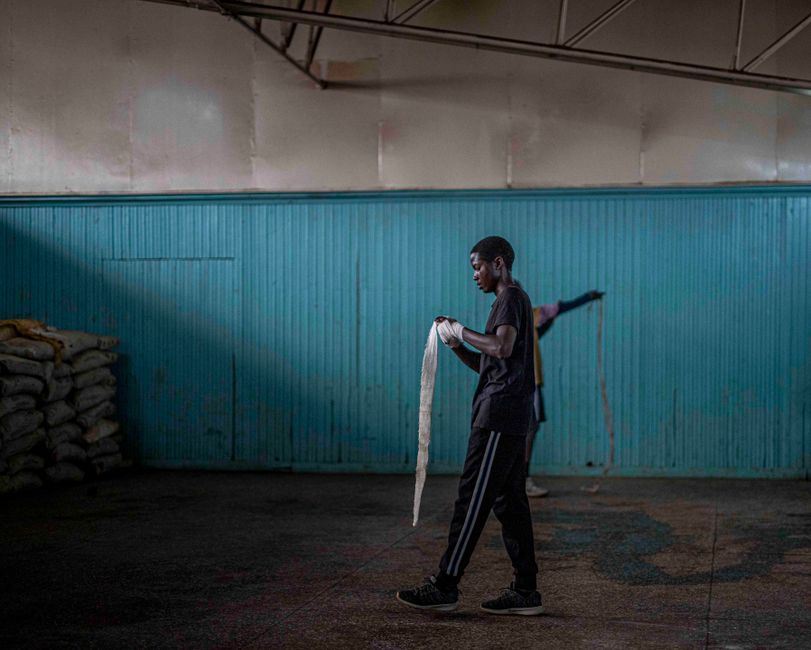
For years, Nairobi's fitness landscape was dominated by premium private gyms with membership fees that could strain most budgets. But a quieter revolution has been underway at council-run facilities across the city – spaces where group exercise classes are making structured fitness accessible to everyone, regardless of income level.
The Nairobi City County has systematically upgraded leisure centres in major residential areas, transforming them into vibrant community fitness hubs. Uhuru Park remains the flagship destination, with its sprawling grounds hosting early-morning aerobics, weekend running groups, and outdoor yoga sessions that draw hundreds weekly. But the real action is happening closer to home in your neighbourhood.
Facilities in Kasarani, Embakasi, and Westlands now offer subsidised group classes ranging from Zumba and high-intensity interval training (HIIT) to traditional aerobics. Class fees typically hover between Ksh 200–500 per session, with monthly memberships available for around Ksh 2,000–3,500 – roughly a quarter of what private chains charge. The Nairobi County Parks and Recreation department reports that participation in council-run programmes has increased by 38% since 2024, suggesting locals are taking notice.
What makes these facilities particularly valuable isn't just affordability. They've become genuine community spaces. Early mornings at Karura Forest's council-designated fitness trails attract a mix of serious runners – inspired by Kenya's elite running heritage – alongside casual walkers and families. Instructors are typically certified and passionate, often drawing from Nairobi's own fitness coaching talent pool. The social element is real: you'll find accountability partners, friendship circles, and a sense of belonging that solo gym work rarely delivers.
The logistics are straightforward. Most facilities operate 6am–10pm on weekdays, with extended weekend hours. Registration requires a valid ID and a simple health form – though for any underlying health concerns, consulting a professional at facilities like Aga Khan Hospital beforehand is wise. Classes run year-round, though scheduling can be weather-dependent for outdoor programmes during the rainy seasons.
One caveat: facilities do vary. Some council centres in less developed areas have slower-paced upgrades. It's worth visiting your nearest facility in person to assess equipment quality, instructor credentials, and class scheduling. Word-of-mouth from neighbours often reveals which centres are thriving and which need improvement.
For Nairobi residents seeking structured group fitness without the prestige pricing, council-run facilities represent genuine value – and a reminder that community wellness doesn't require luxury surroundings.
This article was compiled by AI and screened before publishing. See our editorial standards.
How does this story make you feel?
Spread the word
About this article
Published by The Daily Nairobi
Daily brief
Free, in your inbox before 7am. Weekdays.
More in Wellness