The Hidden Nature Walks Locals Love But Tourists Miss
While visitors queue for Nairobi National Park game drives, residents are quietly slipping into the city's lesser-known green corridors for some of the best walking in East Africa.
While visitors queue for Nairobi National Park game drives, residents are quietly slipping into the city's lesser-known green corridors for some of the best walking in East Africa.

Ask a Nairobian where they walk on a Saturday morning and you will not hear Nairobi National Park. You will hear Karura. Or the ridge behind Gigiri. Or the fig tree loop at City Park off Limuru Road that takes exactly forty-seven minutes and costs nothing to enter. The city's outdoor fitness culture has quietly matured, and the trails drawing the most devoted regulars are almost entirely invisible to the tourism economy.
This matters right now for a specific reason. Nairobi's urban population crossed five million in 2025 according to Kenya National Bureau of Statistics estimates, and non-communicable diseases — hypertension, Type 2 diabetes, stress-linked disorders — are climbing sharply among working-age adults in Westlands, Kilimani and Eastleigh alike. Aga Khan University Hospital's wellness outreach teams have flagged sedentary urban lifestyles as a growing clinical concern. The trails exist. The evidence for walking as prevention medicine is overwhelming. The gap is simply awareness.
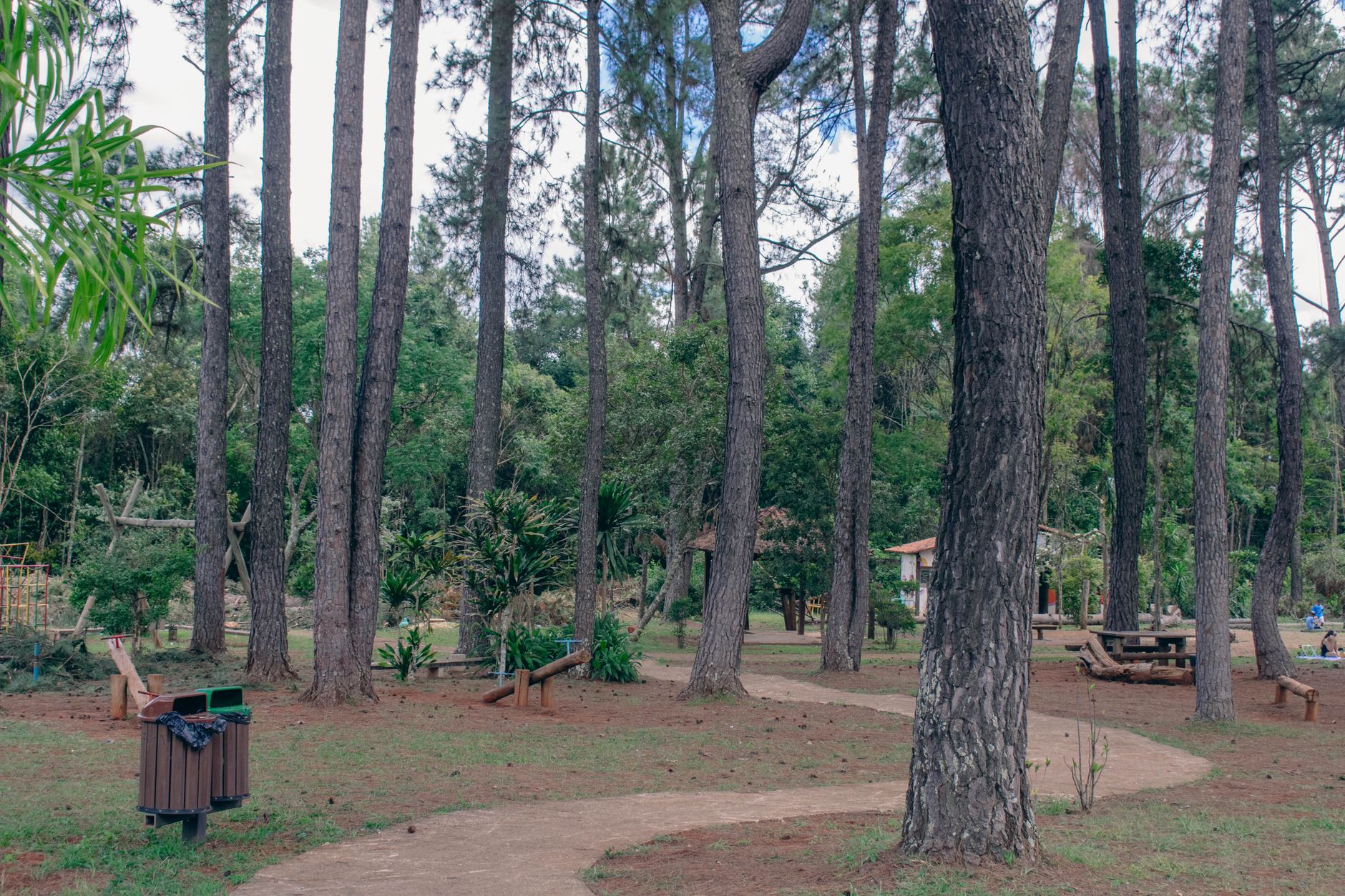
Karura Forest is the obvious anchor. Managed by the Kenya Forest Service in partnership with Friends of Karura Community Forest, the 1,063-hectare reserve sits inside the city boundary off Limuru Road in Runda. Entry for Kenyan residents is Ksh 100 on foot. What most people miss are the eastern entry points near the Muthaiga Gate — quieter than the main Limuru Road entrance, with a cedar and croton trail that stays cool until well past 10am even in July's dry chill. The Nairobi Hash House Harriers, who have been running city trails since 1968, have mapped dozens of variations through here that never appear on tourist maps.
City Park in Parklands is smaller — roughly 30 hectares — but its density of indigenous trees, including a canopy of wild fig that dates back to the colonial-era Arboretum development next door, makes the light extraordinary in the early morning. The Nairobi Arboretum itself, off State House Road, charges Ksh 50 for residents and covers 120 species of trees across 30 acres. Weekend yoga groups, solo joggers from the Hurlingham and Upper Hill neighbourhoods, and parents pushing prams all share the main loop by 7am. Tourists rarely make the list.
Further out, Ngong Road Forest — managed under a community conservancy structure that was formalised in 2019 — runs a marked trail network accessible from the Dagoretti Corner side. It is rougher than Karura, the paths less maintained, but that is precisely the appeal for the trail running community that has grown dramatically since the COVID-era lockdowns ended gym culture for many Nairobians. Kenya's elite marathon runners, particularly those training out of the Iten tradition brought down to Nairobi clubs, have lent trail running a cultural credibility here that would have seemed unlikely a decade ago.
The practical barrier is transport, not entry cost. A boda boda from Westlands to the Karura Limuru Road Gate runs Ksh 150 to 200. Matatus on Route 106 pass the Gigiri roundabout, a ten-minute walk from the forest's Northern gate. City Park is a Ksh 50 tuk-tuk ride from the Parklands Safaricom shop on 3rd Parklands Avenue. None of this requires a car, which is relevant in a city where parking anxiety keeps many residents indoors on weekends.
Fitness groups have started coordinating free Saturday walks through WhatsApp communities — search Nairobi Trail Walkers or Nairobi Green Walks on the platform to find active groups. Most meet by 6:30am to beat both the cold and the traffic noise. Some have informal links with wellness practitioners, and participants are regularly encouraged to seek personal health guidance from qualified professionals at facilities like the Aga Khan Hospital or local GP clinics before starting new exercise regimens.
The trails are not secret. They are just unmarketed. For a city whose residents helped build one of the world's great distance-running traditions, walking through a cedar forest at dawn before the matatus start honking feels less like exercise and more like a reasonable claim on the morning.
How does this story make you feel?
Spread the word
About this article
Published by The Daily Nairobi
Daily brief
Free, in your inbox before 7am. Weekdays.
More in Wellness