Mindfulness in Schools: What Local Programs Are Available for Nairobi Students
A quiet revolution is taking root in Nairobi classrooms, as schools from Westlands to Karen begin weaving meditation and breathwork into the school day.
A quiet revolution is taking root in Nairobi classrooms, as schools from Westlands to Karen begin weaving meditation and breathwork into the school day.
At least a dozen private and public schools in Nairobi now run structured mindfulness programs during term time, according to figures compiled by the Kenya Mental Health Alliance as of June 2026. That number has tripled since 2023. The growth is not accidental — it tracks a measurable spike in anxiety and burnout diagnoses among school-age children reported by the Aga Khan University Hospital's outpatient psychiatric unit in Nairobi West.
School counsellors say the pressure is coming from multiple directions at once. Kenya Certificate of Secondary Education results carry enormous weight for university placement, household economic stress has tightened since 2024, and smartphone use among teenagers aged 13 to 17 rose by 34 percent nationally between 2022 and 2025, according to the Communications Authority of Kenya's annual household survey. Against that backdrop, teachers and administrators are looking for low-cost, scalable interventions that don't require a clinical referral.
The Mindful Schools Kenya initiative, based in Kilimani and affiliated with the broader East Africa Wellness Consortium, currently serves 18 schools across Nairobi. Its flagship eight-week curriculum introduces students to breath-awareness exercises, body-scan techniques, and structured journaling. The program costs schools approximately Ksh 45,000 per term for a class of 30 pupils — a figure that puts it within reach of mid-tier private schools but remains a stretch for many public institutions. Several Starehe constituency schools have accessed a subsidised version through a Nairobi County Government pilot that launched in January 2026.
Upstream, the Brookhouse School on Mombasa Road and the Braeburn group of schools have embedded mindfulness sessions into their pastoral care timetables since at least 2024. Brookhouse allocates 20 minutes three times a week during morning assembly periods. At the other end of the income spectrum, St. Teresa's Girls High School in Eastleigh began a peer-led meditation circle in March 2026 — students trained by a facilitator from the Amani Counselling Centre on Ngong Road now lead sessions for Form One and Form Two classes every Friday.
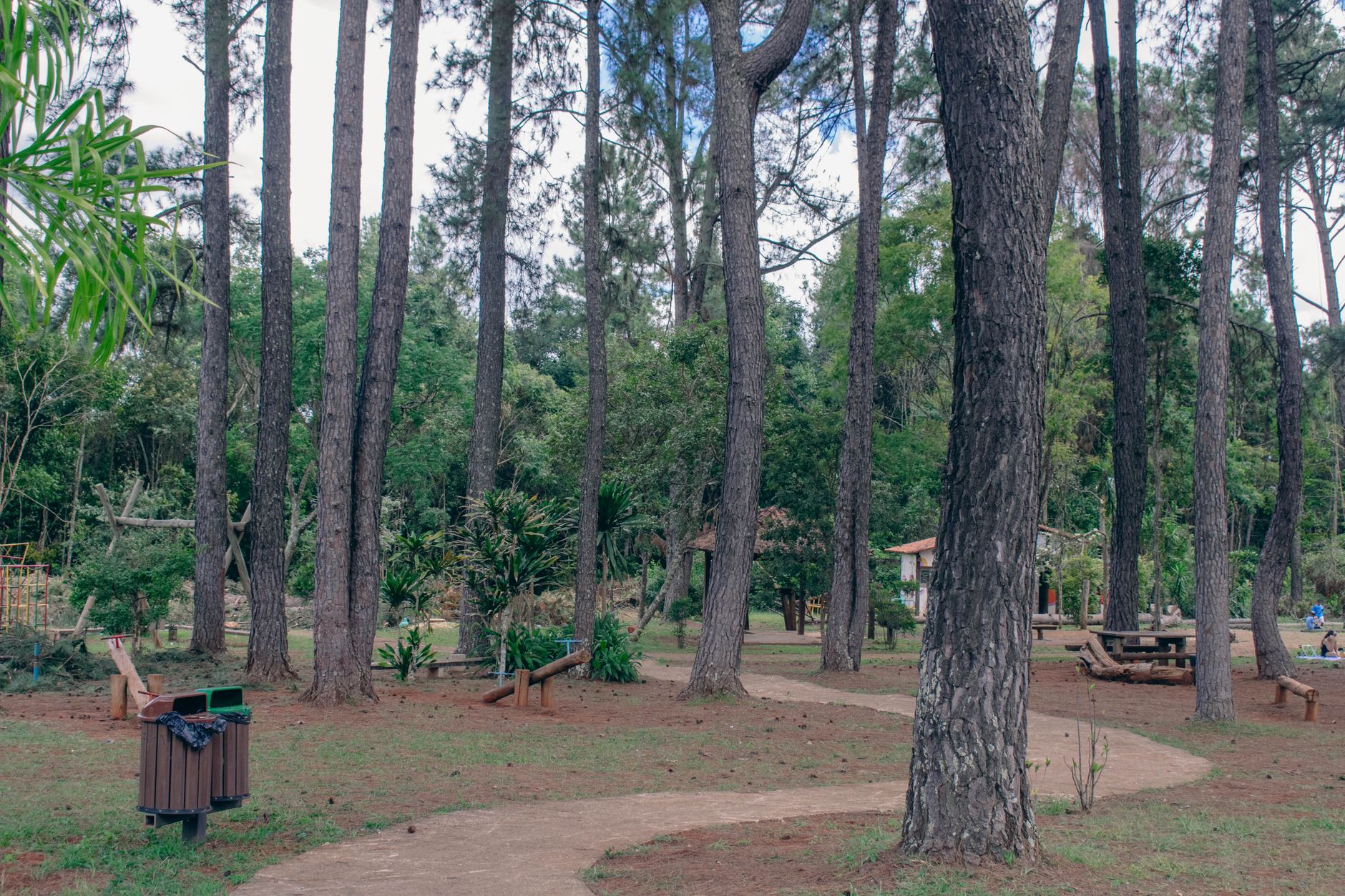
Outside formal curricula, Karura Forest has become an unexpected asset. The African Nature and Forest Therapy Guides network began running Saturday morning mindfulness walks along the forest's Cedar Trail for secondary school groups in February 2026. Participation is Ksh 500 per student, and three Westlands-area schools have already booked regular slots. Facilitators combine silent walking, sensory attention exercises, and group reflection — drawing on traditions from Japanese shinrin-yoku but adapted for the red-earth trails and birdsong specific to Karura.
A 2024 meta-analysis published in the journal Child and Adolescent Mental Health examined 33 school-based mindfulness trials across sub-Saharan Africa and Southeast Asia and found statistically significant reductions in self-reported anxiety scores after eight or more weeks of consistent practice. Effect sizes were modest but meaningful, particularly in settings with large class sizes. Researchers flagged teacher training as the single biggest variable in program quality.
That caveat matters locally. Kenya's teacher-to-student ratio in public primary schools sits at roughly 1:58 nationally, according to the Ministry of Education's 2025 sector report. Rolling out mindfulness without first training educators risks reducing it to a box-ticking exercise. The Kenya Institute of Curriculum Development added a mindfulness module to its 2026 continuing professional development catalogue for primary school teachers — ten hours of in-person training offered at its Desai Road campus in Nairobi — but uptake data is not yet public.
Parents and school administrators who want to explore options should start by contacting the Kenya Mental Health Alliance's school-outreach desk, which operates out of offices on Raphta Road in Westlands and responds to enquiries within five working days. Schools inside Nairobi County can also apply to the County Health Department's school wellness grant, with the next application window opening in September 2026. Individual families seeking guidance on whether mindfulness practice is appropriate for a child with existing anxiety or attention difficulties should consult a qualified clinician — the Aga Khan Hospital and Kenyatta National Hospital both run adolescent mental health clinics that can provide an informed starting point before any school program is adopted.
How does this story make you feel?
Spread the word
About this article
Published by The Daily Nairobi
Daily brief
Free, in your inbox before 7am. Weekdays.
More in Wellness