Nairobi's Top Walking Trails Rated by Distance and Difficulty
From a gentle Uhuru Park loop to the demanding forest paths of Karura, here is where to lace up — and what you need to know before you go.
From a gentle Uhuru Park loop to the demanding forest paths of Karura, here is where to lace up — and what you need to know before you go.

More Nairobians are walking for fitness than at any point in the last decade, and the city's parks are struggling to keep pace with the demand. On weekend mornings at Karura Forest, rangers are counting entry numbers above 2,000 visitors per day — a figure the Kenya Forest Service confirmed in its April 2026 quarterly report. The question is no longer whether to walk, but where, and how hard.
The timing matters. A global surge in lifestyle-related conditions — hypertension, type-2 diabetes, obesity — is hitting East African cities hard. The Aga Khan Hospital on 3rd Parklands Avenue has repeatedly flagged physical inactivity as a primary driver in its annual community health bulletins. Doctors there, along with peers at Kenyatta National Hospital on Hospital Road, are actively pointing patients toward structured outdoor movement as a first-line intervention before medication. Walking trails are, quietly, becoming a public health infrastructure.
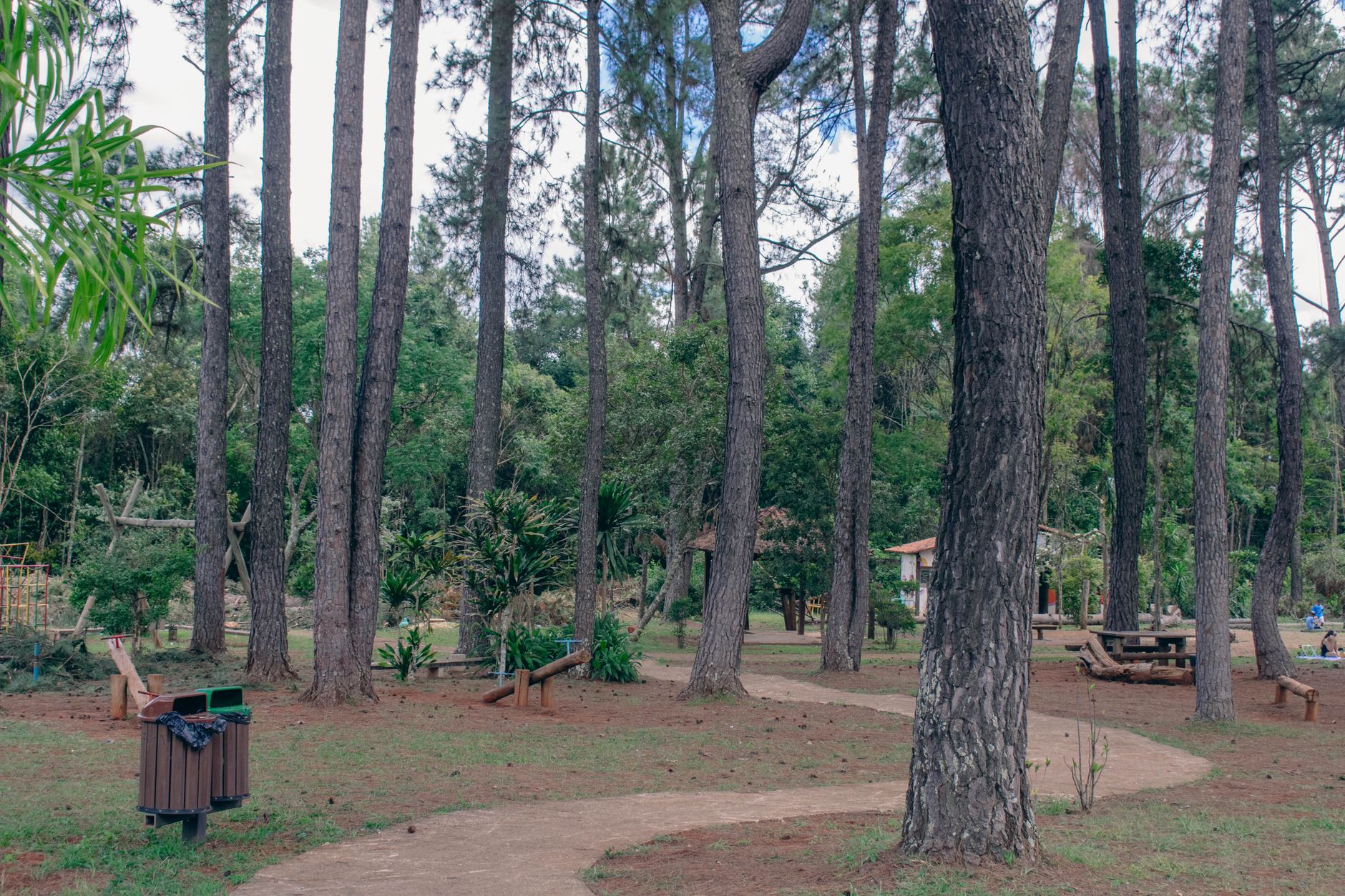
Start at Uhuru Park, off Kenyatta Avenue in the CBD. The main perimeter path measures roughly 2.2 kilometres on a single loop — flat tarmac, shaded in patches by fig trees, and accessible from early morning until 6 p.m. Entry is free. It is genuinely low-impact: a 70 kg adult burns approximately 110 calories per loop at a brisk pace. Add a second loop and you have hit the World Health Organization's minimum 150 minutes of moderate activity per week in fewer than four sessions. City Park in Parklands, off Museum Hill Road, offers a wilder but still manageable alternative at around 1.5 kilometres of navigable dirt path. Entry there also costs nothing, and the canopy provides shade that Uhuru's open lawns cannot match on a Nairobi midday.
For walkers ready to introduce mild elevation, Nairobi Arboretum on State House Road runs a 2.8-kilometre internal loop with gentle undulation. The Friends of Nairobi Arboretum charge a Ksh 200 entry fee for adults — roughly $1.50 at current exchange rates — and the money funds trail upkeep. Saturday mornings between 7 a.m. and 9 a.m. regularly see organised walking groups, some affiliated with the Nairobi Hash House Harriers, gathering near the main gate.
Karura Forest, with its main gate off Limuru Road in Gigiri, is a different proposition entirely. The forest covers 1,041 hectares and its trail network spans more than 30 kilometres of marked paths, ranging from wide murram roads to narrow single-track that roots and rocks can make genuinely treacherous after rain. The Kenya Forest Service and the Friends of Karura Forest jointly manage four colour-coded trail routes. The red route — 7 kilometres, classified hard — climbs through dense cedar stands, crosses two seasonal streams, and demands proper footwear. Trail shoes or light hiking boots are not optional.
The blue route at Karura, a more moderate 4.5 kilometres, suits walkers who want forest immersion without technical terrain. Entry fees run Ksh 400 for Kenyan adults and Ksh 1,000 for non-residents as of January 2026. Those fees include access to the caves near the Mũhaka River, a trail highlight that most visitors miss. Dogs are permitted on leads, making Karura a rare Nairobi park where owners can bring animals legally.
Ngong Road Forest, managed by the Kenya Forest Service and accessible near the Dagoretti Corner junction, offers a scrappier but underrated 6-kilometre circuit. Signage is inconsistent — go with someone who has walked it before, or download the AllTrails map for the Ngong Road route, which has 340 community check-ins as of this week.
One practical note before anyone sets out: the Aga Khan Hospital recommends that walkers over 45 or those managing any cardiovascular condition get a baseline assessment from a physician before starting a programme involving more than 5 kilometres or significant gradient. That advice is worth taking seriously. Kenya's elite marathon culture — the Iten athletes, the Lornah Kiplagat Foundation's community running programmes — makes distance look effortless. For the rest of us, starting slow and building over four to six weeks is the evidence-based approach. The trails will still be there.
How does this story make you feel?
Spread the word
About this article
Published by The Daily Nairobi
Daily brief
Free, in your inbox before 7am. Weekdays.
More in Wellness