Nairobi's Best Sunrise Spots for Morning Meditation and Yoga
From Karura Forest's canopy trails to the open lawns of Uhuru Park, the city's outdoor spaces are drawing early risers seeking stillness before the morning commute begins.
From Karura Forest's canopy trails to the open lawns of Uhuru Park, the city's outdoor spaces are drawing early risers seeking stillness before the morning commute begins.
By 5:45 a.m. on any given weekday, the fig trees along Karura Forest's Trail C are already casting long shadows over a dozen people sitting cross-legged on foam mats, facing east. The forest, which stretches across 1,041 hectares in Runda and Gigiri, has quietly become Nairobi's most popular destination for sunrise meditation — and the numbers keep growing.
The shift matters because Nairobi's pace is relentless. Traffic on Thika Superhighway starts thickening before 7 a.m., office pressure mounts earlier than ever, and the cost-of-living squeeze means that a gym membership at a Westlands fitness studio — typically between Ksh 3,500 and Ksh 7,000 per month — is beyond many household budgets. Free, well-maintained outdoor space is not a luxury here. It is increasingly a public health necessity. The World Health Organization's 2025 physical activity guidelines recommend at least 150 minutes of moderate-intensity movement per week, and a growing body of research links morning outdoor exercise with measurably lower cortisol levels and better sleep quality.
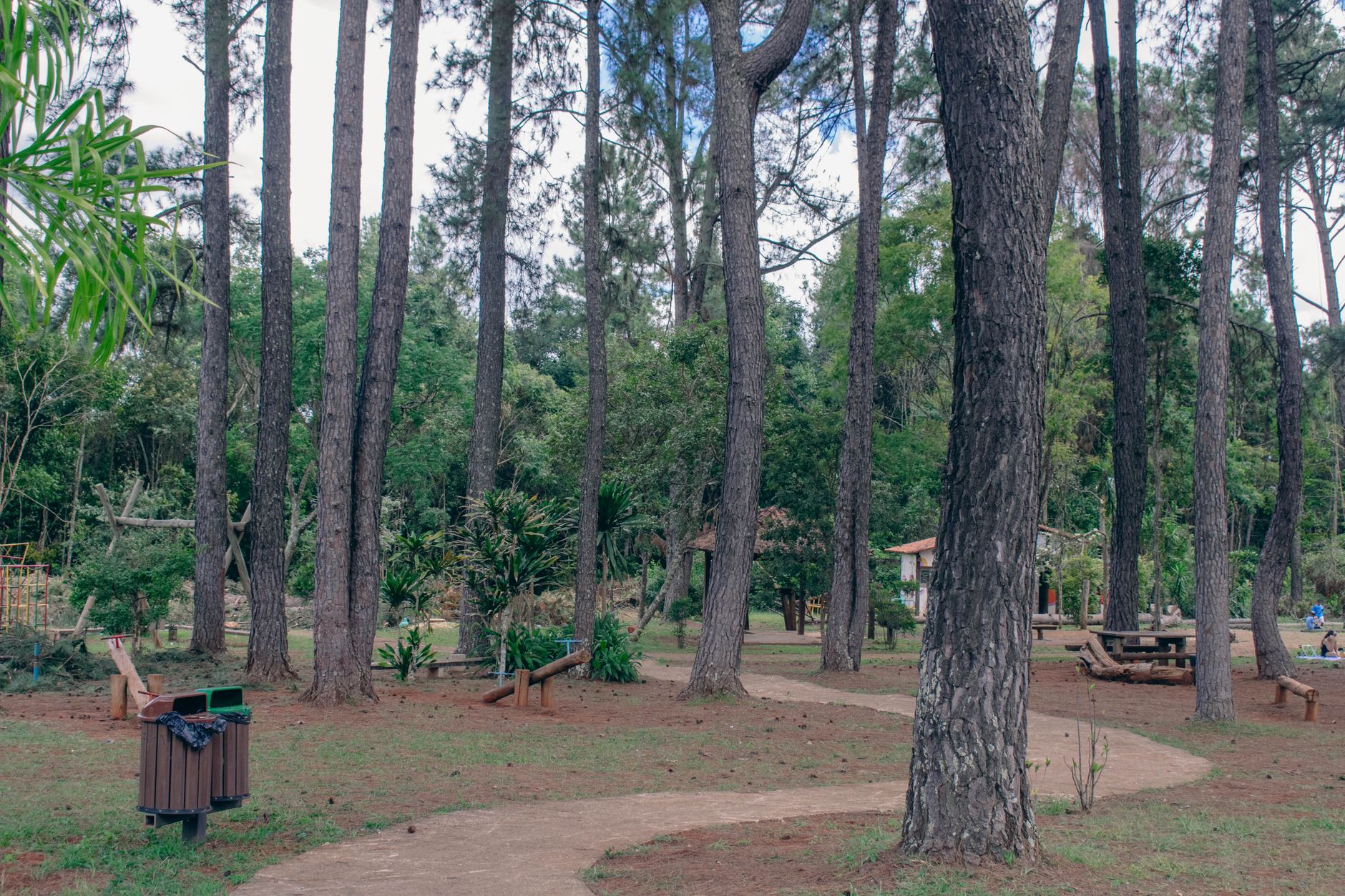
Karura Forest, managed by the Kenya Forest Service and Friends of Karura Community Forest Association, opens its gates at 6 a.m. daily. Entry costs Ksh 100 for Kenyan citizens. The main Limuru Road gate, off Kiambu Road, is the most accessible from Westlands and Parklands. Trails near the waterfall — about 1.2 kilometres from the northern entrance — offer flat, shaded ground ideal for laying out a yoga mat. The canopy is dense enough to block direct glare yet open enough to track the sunrise through the trees. Several informal yoga circles gather here on Tuesday and Thursday mornings, loosely organised through WhatsApp groups that have accumulated hundreds of members over the past two years.
Uhuru Park, off Kenyatta Avenue in the Central Business District, offers a completely different energy. The open lawns facing Nairobi Dam provide an unobstructed eastern horizon, and by 6:15 a.m. the park fills with joggers, stretchers, and small clusters of people running through sun salutation sequences. The park is free to enter. Its proximity to Upper Hill and the CBD means office workers heading into work early can stop for 30 minutes of movement before the day begins. The Nairobi City County Parks Department completed lighting upgrades across the main lawns in March 2026, making early-morning visits safer than they were even a year ago.
Ngong Road Forest, sandwiched between Karen and Dagoretti, is a quieter option. The Kenya Forest Service charges Ksh 150 for entry at the main Ngong Road gate. The forest covers roughly 1,400 hectares and sees far less foot traffic than Karura, which means genuine solitude is possible. Experienced practitioners and runners from the Karen area use it regularly, partly inspired by Kenya's elite distance-running culture — a culture that has always favoured early-morning training in natural surroundings.
Starting a consistent outdoor practice does not require equipment or instruction, but it helps. The Yoga Alliance Kenya, based in Kilimani, runs free introductory sessions at Uhuru Park on the first Saturday of each month, a programme that has been running since January 2025. The Aga Khan Hospital's wellness outreach team has also published free breathing and mindfulness guides — available at their 3rd Parklands Avenue clinic — specifically designed for people beginning a morning outdoor routine.
The practical advice is straightforward. Arrive at least 15 minutes before official sunrise — which in Nairobi currently falls around 6:32 a.m. in early July — to claim a good spot and settle before the light shifts. Carry water, since even cool mornings at Nairobi's 1,795-metre altitude can dehydrate quickly during movement. Wear layers; temperatures at dawn this month are hovering around 12 to 14 degrees Celsius. And if you have any existing joint or cardiovascular concerns, check in with a physician at a local clinic before making vigorous morning exercise a daily habit. The forest and the lawn will still be there while you do.
How does this story make you feel?
Spread the word
About this article
Published by The Daily Nairobi
Daily brief
Free, in your inbox before 7am. Weekdays.
More in Wellness