Beginner's Guide to Starting a Meditation Practice in Nairobi
From Karura Forest to city centre studios, here’s how to take your first steps into meditation in Kenya’s capital.
From Karura Forest to city centre studios, here’s how to take your first steps into meditation in Kenya’s capital.

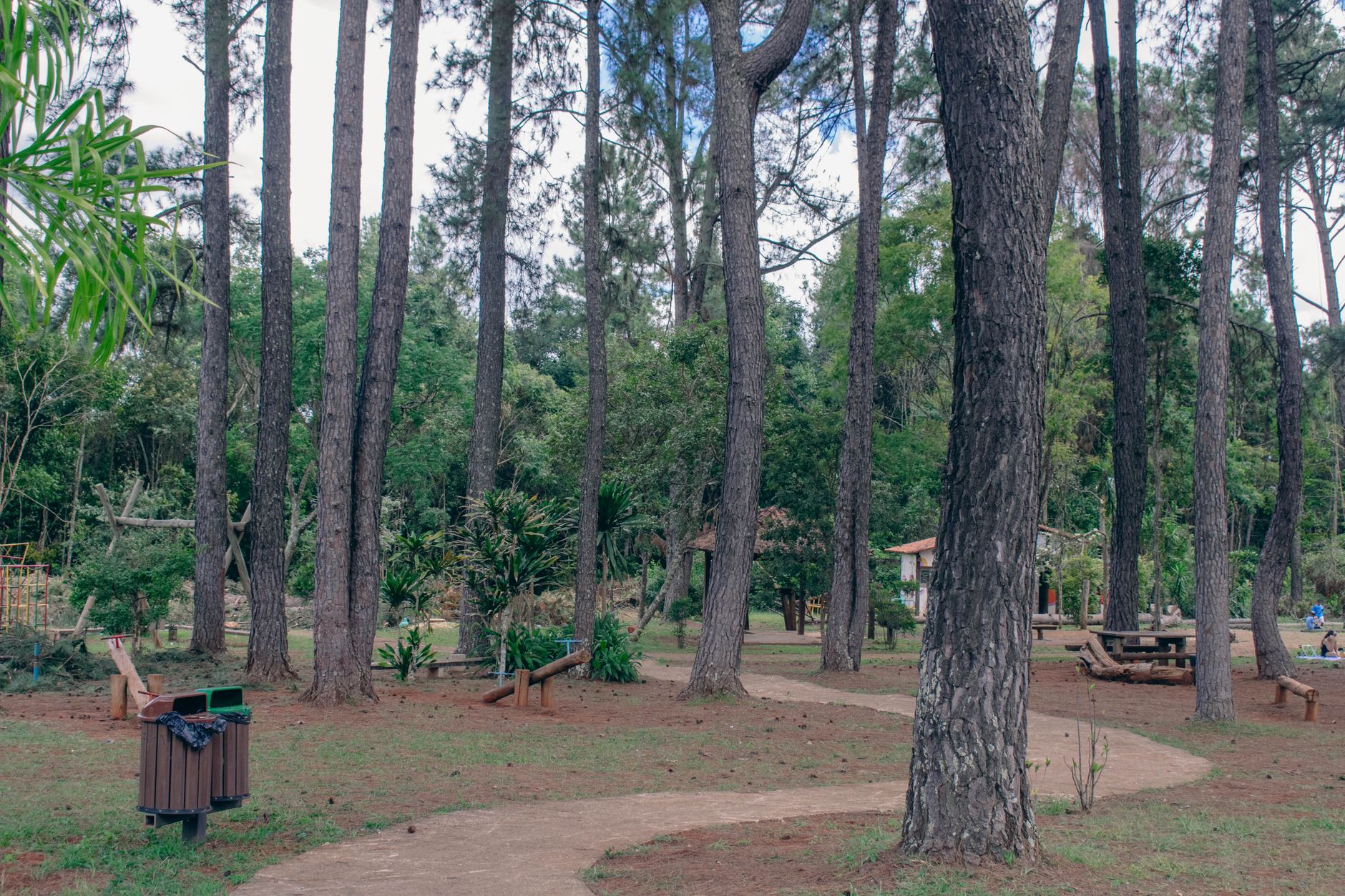
The sound of morning traffic on Waiyaki Way fades into the background at Karura Forest’s Sigiria Gate meditation garden, where a growing number of Nairobians are setting aside time each week to learn the basics of mindfulness and meditation. More city residents are now seeking out ways to reduce stress and improve mental clarity, bolstered by new local initiatives that promise meditation training for all levels, even complete beginners.
With the daily pressures facing Nairobi’s fast-paced professionals and university students alike—from packed matatu commutes to high-stakes job demands—mental health has pushed its way to the front of the wellness agenda. According to Dr. Habiba Kuria, a psychiatrist at Aga Khan University Hospital, the surge in reported anxiety and burnout since 2021 has led healthcare providers to promote preventative routines such as meditation. Easy to start, affordable, and requiring no expensive equipment, mindfulness exercises have become an increasingly popular tool for managing stress amid Nairobi’s bustling city life.
Nairobi offers a surprising range of spaces—both structured and informal—for those looking to launch a meditation habit. In Parklands, Bliss Meditation Studio on Sixth Parklands Avenue hosts Saturday group sessions for Sh500 per class, welcoming everyone from complete novices to longtime practitioners. For those who prefer a blend of nature and structure, the Karura Forest Friends Association maintains a forest bathing and mindfulness walk on the first Sunday of each month, departing from Limuru Road’s Gate C; participants simply need to cover the standard forest entry fee of Sh200 for residents.
Outside of organised sessions, quiet corners in Uhuru Park’s revamped central lawns and open-air pavilions have now become popular with casual meditators and yoga enthusiasts. Meanwhile, digital-first collectives like Nairobi Mindful—a WhatsApp-based peer group with nearly 900 members—share audio guides and daily accountability check-ins, helping beginners fit five- or ten-minute sessions into even the tightest schedules.
Research backs the movement: a 2025 report by the Kenya Mental Health Policy Initiative found that just 15 minutes of guided meditation, practiced daily for four weeks, led to a 30% reduction in self-reported stress among Nairobi residents aged 18-35. Cost is rarely a barrier—many local programmes, including the University of Nairobi’s Mindfulness for Students club, are free or offer sliding-scale fees. Global apps such as Insight Timer or Kenyan-run Calm Africa Messenger group also offer no-cost guided meditations for anyone with a smartphone and a decent data bundle.
So what happens next for those keen to try meditation for the first time? Start with what’s available—whether it’s a Saturday class in Parklands, five minutes beneath the trees at Karura Forest, or a breathing exercise before bed. Bringing a friend can help with consistency. Most local teachers recommend aiming for three to five sessions a week at the start, then building up as the routine becomes easier. For advice tailored to individual mental health needs, Nairobi residents are encouraged to consult professionals at local hospitals or wellness centres. In a city where life never stops moving, finding a moment of stillness may be one of the most practical wellness habits to cultivate this year.
How does this story make you feel?
Spread the word
About this article
Published by The Daily Nairobi
Daily brief
Free, in your inbox before 7am. Weekdays.
More in Wellness