The Science Behind Mindfulness: What It Actually Does to the Brain
More Nairobians are learning that mindfulness isn’t just hype—neuroscience reveals how meditation changes brains, stress and behavior.
More Nairobians are learning that mindfulness isn’t just hype—neuroscience reveals how meditation changes brains, stress and behavior.
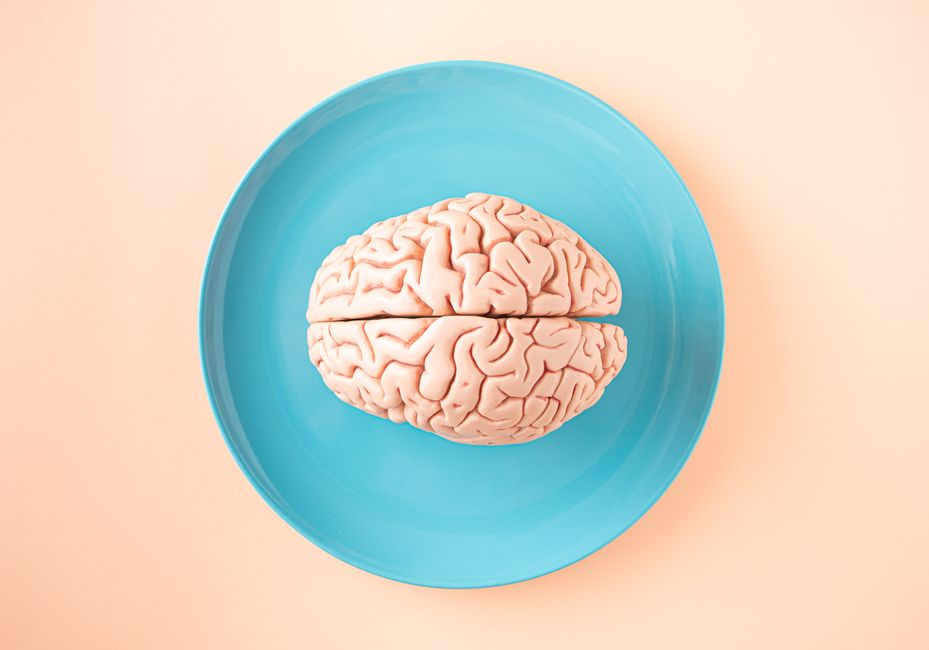
Recent brain scan studies show the brains of regular meditators function differently to those who rarely pause for a slow breath. In Nairobi, where rapid urban growth keeps thousands hustling daily, new science is revealing why so many Kenyans are giving mindfulness and meditation serious attention—and how these practices reshape both mind and brain.
The need is real. Nairobi’s matatu rides along Waiyaki Way or jam-packed mornings on Jogoo Road often increase daily stress, which long-term can take a toll on wellbeing. Local therapists and medical centers including Aga Khan University Hospital report persistent spikes in urban stress-related concerns, from anxiety to burnout. Against this backdrop, more individuals and wellness groups around the city are teaching and practising mindfulness—offering a practical tool to manage stress, not just a momentary escape.
On Saturday mornings, a circle forms under the towering trees in Karura Forest. It’s not a running club, but the Nairobi Mindful Collective—dozens gather here weekly for guided meditation and mindful walking sessions, some free, others sh500 a class. Meanwhile, along busy Ngong Road, the Zen Garden hosts weekend workshops, with mindfulness instructors demonstrating breath control and body scans to both first-timers and the city’s startup crowd. Even gyms like Arena One along Dennis Pritt Road have introduced lunchtime meditation sessions, attracting corporate staff from Upper Hill looking for a brain reboot between meetings. "We’re seeing all ages—from university students at University Way to retirees in Lavington—exploring these techniques," says a staff member at the Nairobi Mindful Collective.
The demand has triggered Nairobi Hospital and Avenue Healthcare to list meditation and stress reduction classes alongside classic cardiac check-ups, while yoga studios from Yaya Centre to Westlands offer regular mindfulness courses. Class fees for drop-in sessions typically range between sh500-sh1500, with some venues offering first classes free.
The science behind mindfulness is now robust enough to attract attention from both Kenyan neuroscientists and global experts. MRI research, including landmark studies from the US National Institutes of Health and universities worldwide, shows that just eight weeks of consistent mindfulness meditation can change the structure of the prefrontal cortex (the part of the brain involved in focus and planning) and shrink the amygdala, the brain’s stress-alert center. One 2024 review in Frontiers in Human Neuroscience concluded that regular mindfulness increases grey matter density in regions linked to self-regulation, emotional balance, and memory—results echoed in research collaborations with Nairobi-based academics. Data from Kenya’s own National Commission for Science, Technology and Innovation (NACOSTI) suggest over 10,000 people attended mindfulness workshops in Nairobi in 2025, most reporting reductions in perceived stress and better everyday concentration.
For residents coping with city-induced anxiety, this body of evidence offers compelling—and affordable—reasons to experiment. Mindfulness does not require fancy equipment or expensive memberships. A smartphone, a quiet patch in City Park or a YouTube video can suffice.
For Nairobians seeking to begin, clinics from Aga Khan to MP Shah offer basic assessment and recommendations for reputable practitioners. Many local collectives provide free beginner sessions in areas like Kileleshwa’s Riverside Park or in green spaces of Karen. Experts stress that real benefit comes from steady practice—15 minutes daily for at least two months. Nairobi’s fast pace won’t slow down, but the brains of its citizens might just learn, step-by-step, to stay one breath ahead.
How does this story make you feel?
Spread the word
About this article
Published by The Daily Nairobi
Daily brief
Free, in your inbox before 7am. Weekdays.
More in Wellness