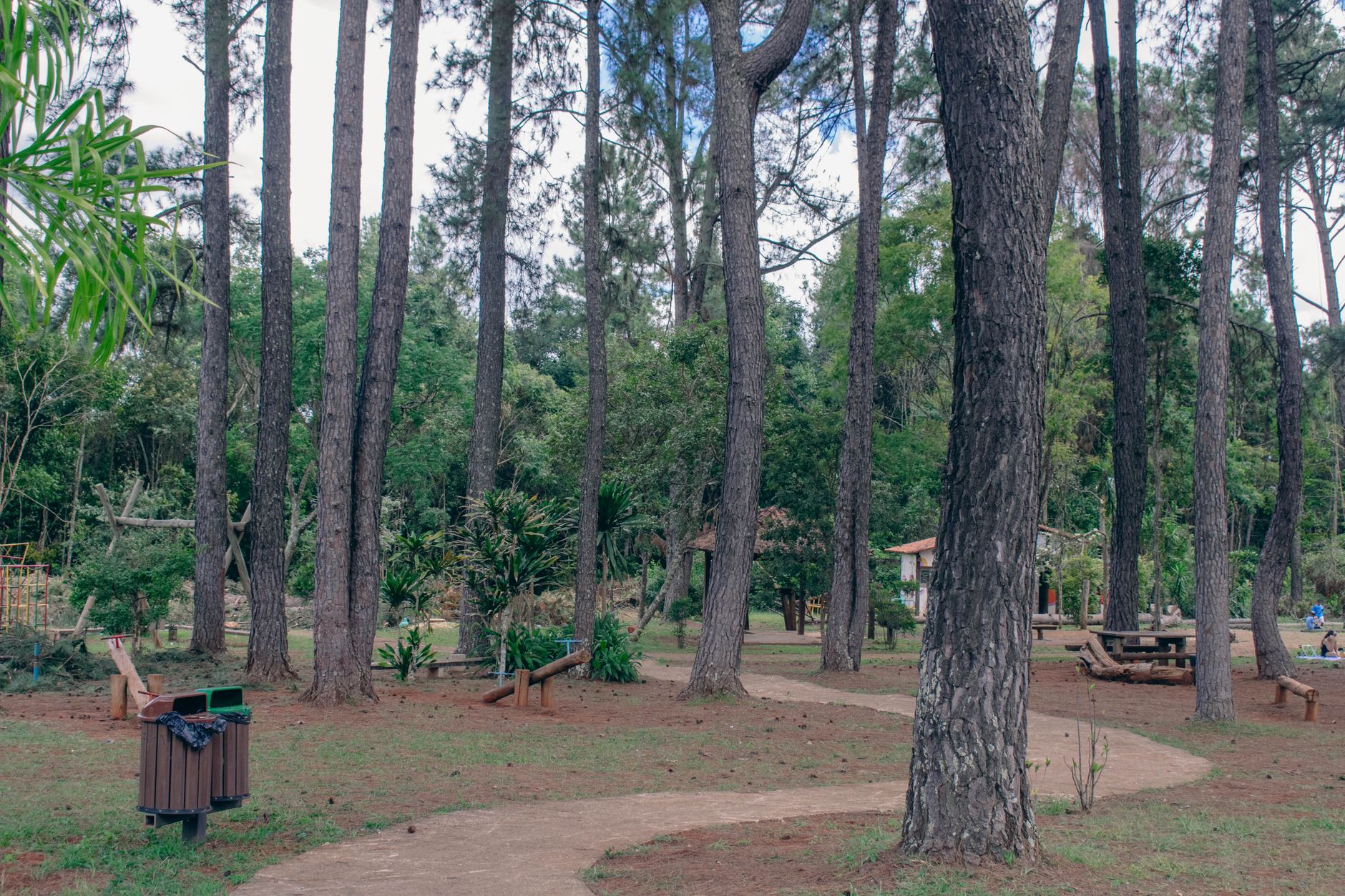
Nairobi’s daily grind can test even the calmest nerves, but a growing number of residents are turning to simple breathwork techniques for instant relief from stress. At 8:15 a.m. this past Monday, as commuters jostled along Mombasa Road, a circle of early risers at Karura Forest paused mid-jog, drawing slow, measured breaths in unison—a scene that’s becoming increasingly familiar in the capital’s wellness circles.
High Stress, Higher Stakes
For many Nairobians, long commutes, crowded matatus, and relentless work deadlines compound daily stress. According to Ministry of Health estimates from December 2025, over 38% of Nairobi residents report regular feelings of anxiety—a figure that spikes during end-of-quarter financial crunches and national exam seasons. Mental health awareness campaigns have helped shine a spotlight on self-care strategies, but access to traditional therapy remains out of reach for many due to costs (an average session at private clinics in Parklands or Kilimani runs upwards of KSh3,000). This has left space for affordable, easily accessible tools like breathwork to step into the gap.
“You don’t need special equipment, a membership, or even much time,” says Dr. Alice Mwangi, a wellness consultant based in Lavington. She leads weekly lunchtime sessions at Uhuru Park’s recently revitalised amphitheatre, where city workers unroll kikoi mats and practise techniques like box breathing and ‘4-7-8’ breaths. Demonstrations like these are a frequent sight near Kenyatta Avenue, where fitness and wellness pop-ups have multiplied since the return of public events post-pandemic.
Nairobi Gets Breathing
Breathwork isn’t an entirely new concept—elite Kenyan runners have long used controlled breathing to maintain focus during high-stakes track events. Now, ordinary residents are adapting these principles for the pressures of traffic jams, open-plan offices, and hectic market days in Gikomba. At Ageless Yoga Studio on Woodvale Grove in Westlands, drop-in lunchtime sessions (KSh600 per class) introduce fast-paced professionals to grounding exercises like alternate nostril breathing and gentle diaphragmatic breathing.
Elsewhere, organisations such as Mindful Nairobi—a non-profit with meetups at the Nairobi Arboretum—offer free community classes every first Saturday of the month. Attendance at these sessions has quadrupled in the last year, with recent workshops drawing upwards of 80 people, according to founder Samuel Maina. The movement has started to filter into schools too, with Nairobi Academy piloting five-minute guided breathwork breaks before major exams since May 2026.
Science and Self-Care
Studies published in the East African Medical Journal highlight how slow, deep breathing lowers heart rate and blood pressure within minutes. Nairobi-based psychologist Dr. Esther Njihia points out that even 90 seconds of focused breathing can reset the nervous system. The simplicity of breathwork explains its appeal: 10-15 minutes a day is all it takes to see benefits, and resources—such as free guided videos from Kenyan meditation practitioners like Pauline Njoroge—are easily accessible through platforms like Instagram and WhatsApp.
For those seeking relief without disrupting packed schedules, experts recommend starting small. Box breathing (inhaling for 4 counts, holding for 4, exhaling for 4, holding for another 4) is easy to practise quietly at a desk or matatu seat. Even a 30-second mindful pause before responding to a stressful email can have a noticeable impact.
Getting Started on Your Own
To begin, pick a quiet spot—such as a shady bench at City Park, or even a corner of your local office break room. Set a timer for 2-5 minutes. Try inhaling for 4 counts, exhaling for 6, and focusing attention on the sensation of breath. Local shops like Healthy U on Sarit Centre stock affordable aromatherapy oils (from KSh350), which some find enhance the calming effects, but no equipment is strictly necessary.
With growing community support and mounting evidence for its effectiveness, breathwork is rapidly becoming Nairobi’s go-to strategy to reclaim calm—even on the city’s most frenetic days. For more in-depth guidance, Nairobi Hospital Wellness Centre and Aga Khan Hospital both offer introductory workshops monthly (KSh1,200–KSh2,000 per session). As the movement gains momentum in gyms, parks, and offices, more Nairobians are discovering that a few mindful breaths can be all it takes to weather a stressful moment.
Remember: For personalised advice, always consult a local medical or mental health professional, especially if chronic stress or anxiety persists.