Nairobi’s Top Walking Trails: Routes Rated by Distance and Difficulty
From Karura Forest to Ngong Road, here is your guide to the most rewarding walking trails in Nairobi for all experience levels.
From Karura Forest to Ngong Road, here is your guide to the most rewarding walking trails in Nairobi for all experience levels.

For Nairobians eager to lace up their trainers, the city’s walking trails are offering more options than ever—ranging from breezy 2km loops to challenging 15km treks. With local fitness groups reporting an uptick in attendance since mid-2025, Nairobi’s parks and forests have become hotspots for novices and expert walkers alike.
Demand for accessible, safe, and varied outdoor exercise spaces has never been higher. Nairobi’s growing embrace of wellness—bolstered by the city’s elite running legacy—means more residents are swapping online workouts for greener routines. The city’s Parks and Recreation Department logged a 27% increase in visitor numbers to its managed green spaces since last July, underlining a citywide pivot toward outdoor activities amid surging urban growth.
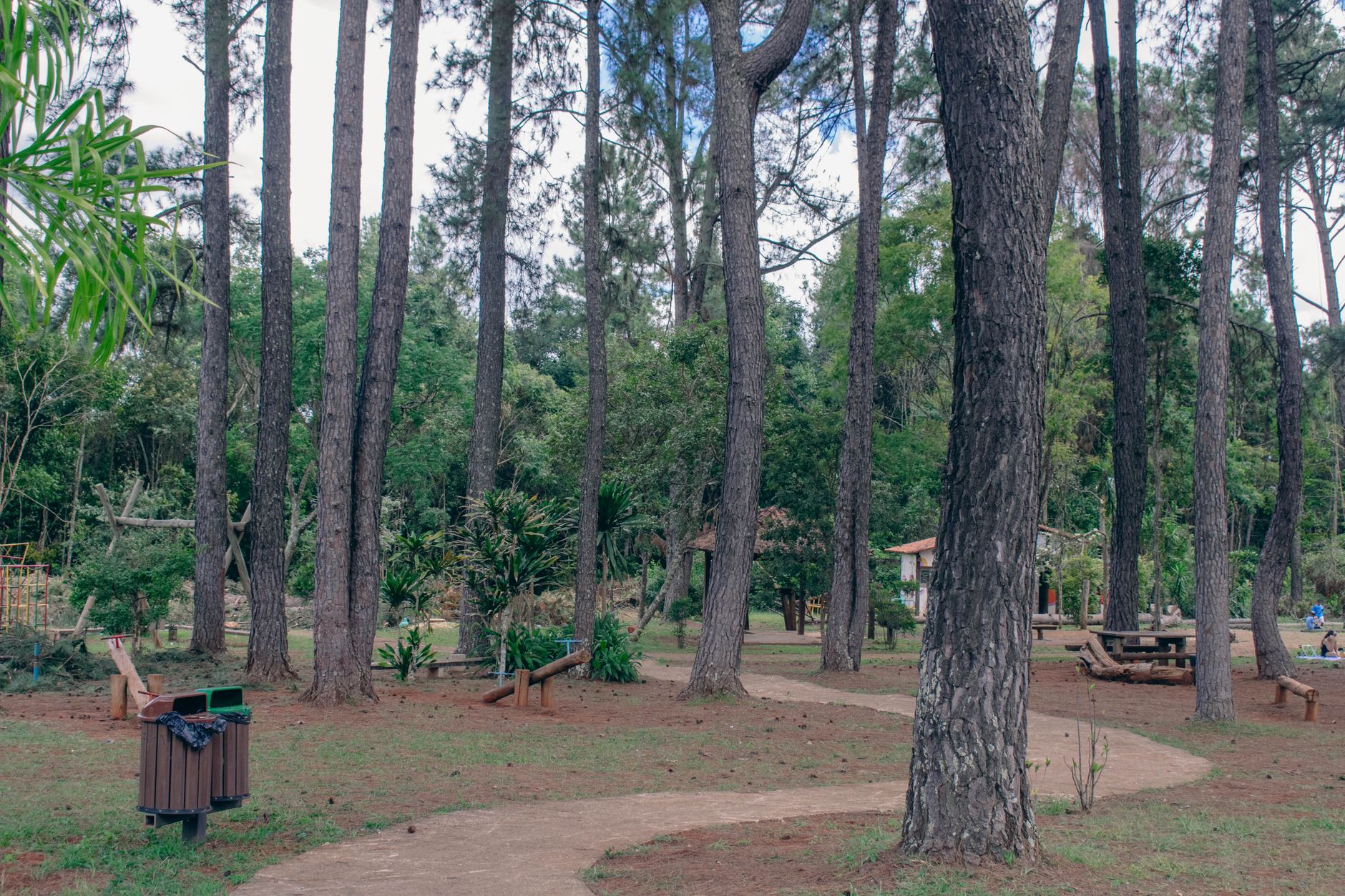
Karura Forest, managed by the Friends of Karura Forest Community Forest Association and the Kenya Forest Service, continues to set the gold standard for urban walking. The Main Trail, starting at the Limuru Road gate, stretches a flat, shaded 10km loop with side trails leading to the picturesque Lily Lake and the famed Mau Mau Caves. For those just starting out, the Central Loop offers a manageable 2km circuit, mostly on well-maintained paths—a favourite for families and older residents.
Uhuru Park, newly renovated and reopened in April 2026 after nearly three years of upgrades, is quickly reclaiming its spot as a downtown favourite. The new walking path, a 3.5km paved circuit that winds past the fountain plaza and through landscaped gardens, draws city workers on their lunch break and early-morning fitness groups from the nearby Upper Hill Health Club. Uhuru Park’s relatively flat gradients suit beginners and those recovering from injury, while Karura’s longer routes offer moderate to challenging elevation changes that experienced walkers prize.
Admission to Karura Forest is KSh200 for Kenyan adults and KSh100 for children (as of July 2026), with weekday mornings the most popular time slot—staff counted over 1,500 individual entries on the Madaraka Day holiday alone. The forest supports both marked and unmarked routes, with colour-coded difficulty: Green for easy (up to 3km, under 50m elevation change), Blue for moderate (4-7km, 100-200m elevation), and Red for the seasoned walker (over 10km, up to 350m combined ascent).
Outside the central business district, the Nairobi Arboretum along Arboretum Drive offers a 3km natural path set amid indigenous trees. Though the trails are relatively short and flat, the combination of birdlife and tree canopy make this a relaxing choice for all age groups. Entrance is KSh150 for adults. Adventurous walkers have also begun heading southwest to Oloolua Nature Trail in Karen, where the main loop climbs 5km through bamboo forest and over rocky creek crossings, presenting a moderately difficult outing—water shoes recommended after the rainy season.
For those seeking an urban challenge, Ngong Road Forest Sanctuary’s Ngong Loop Trail is a 7km rollercoaster of terrain best attempted in sturdy shoes. With clear signage and many park rangers on patrol, safety has seen a marked improvement, according to the Ngong Road Forest Association, especially on weekends (Saturdays see up to 500 walkers and runners, per association records).
Before heading out, would-be walkers should check park opening times—Karura Forest, for example, operates daily 6am-6pm, while Nairobi Arboretum closes slightly earlier. Group walks organised by local running clubs—such as Urban Runners Nairobi and Karen Walkers—mean first-timers don’t have to navigate alone. As always, park management urges visitors to bring water, keep valuables at home, and consult a medical professional at Aga Khan Hospital or Nairobi Hospital if considering strenuous activity for the first time.
With more city dwellers seeking out walking and hiking as part of their weekly wellness routine, Nairobi’s trail network offers something for every age and fitness level. Whether chasing personal bests or just some peace among the pines, there’s a route for everyone—right here in the heart of the city.
How does this story make you feel?
Spread the word
About this article
Published by The Daily Nairobi
Daily brief
Free, in your inbox before 7am. Weekdays.
More in Wellness