Where to Cycle in Nairobi: Safe, Scenic Routes for Families and New Riders
From Karura Forest’s tranquil trails to the new bike paths in Loresho, Nairobi is rolling out more options for cycling newcomers.
From Karura Forest’s tranquil trails to the new bike paths in Loresho, Nairobi is rolling out more options for cycling newcomers.

Nairobi families looking for a safe spot to cycle now have more options than ever. The opening of the Loresho Green Path last week marks another addition to the city’s growing network of cycling-friendly routes, tailored for beginners and parents with kids in tow.
This matters at a time when urban traffic hazards have forced many would-be cyclists indoors—or off two wheels altogether. As Nairobi’s rate of car ownership topped 700,000 last year, according to National Transport and Safety Authority (NTSA) records, reports of road accidents involving cyclists continue to raise concern among parents and city planners alike. Safe, separated cycling routes are in demand from Dagoretti to Westlands.
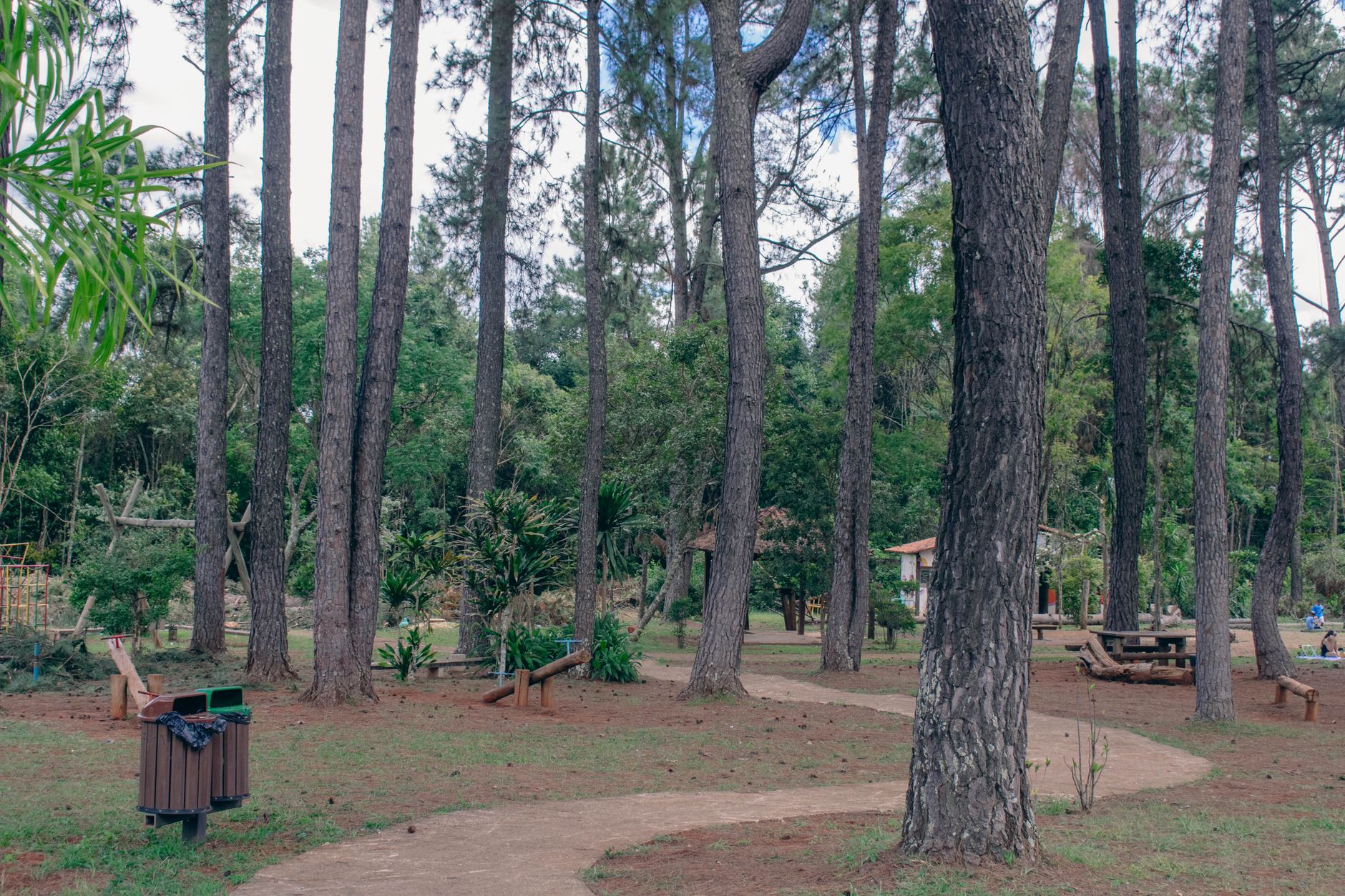
At Karura Forest, a weekend crowd snakes past the KFEET Centre, where bikes can be rented for KSh 500 an hour—helmets included. The popular Outer Trail, a 12-kilometre loop, stays mostly flat and shaded, making it a go-to for family outings. Forest Rangers patrol the main junctions, while well-marked signposts guide first-timers. "If you come by mid-morning, you’ll see parents teaching their little ones how to balance, students practicing for inter-school races, and seniors out for exercise," says a Karura cycling instructor. The Friends of Karura Forest Trust estimates that visitor numbers for cycling rose by 30% since 2022, as more residents seek open spaces and affordable activities.
In the city centre, upgraded cycling lanes along Uhuru Park’s Loop offer a car-free cruising path that stretches just over two kilometres. The Nairobi Metropolitan Services (NMS) installed new signage and extra lighting in March, making the grassy perimeter a magnet for after-school lessons and early-morning fitness groups. Rental kiosks adjacent to the Kenyatta Avenue entrance provide kid-size bikes at KSh 300 per hour, with group rates for school teams and birthday parties.
According to the Kenya Urban Roads Authority (KURA), Nairobi’s designated cycling lanes now cover close to 28 kilometres—a figure that’s doubled since 2021, with projects in estates like Lavington, Muthaiga, and Loresho. The city’s Sustainable Transport Initiative, backed by UNEP and the Nairobi County Government, rolled out over KSh 180 million this year for cycling infrastructure improvements: raised kerbs, repainting, and expanded access points. Cyclist injuries have dropped by 13% in zones where these new lanes operate, according to NTSA’s end-of-year bulletin.
These gains are significant for Nairobi’s aspiring riders. "On weekdays, most cycling is along school routes or after work, but weekends bring out families who want a safe, social activity outside shopping malls," says an official at Cycle Wetu, a local advocacy group. "When parents see protected lanes, they feel confident enough to let younger kids ride." For less experienced cyclists, Kijabe Street’s gentle gradient and minimal vehicular traffic make it a favored choice, especially on Sundays when traffic is lighter.
As more Nairobi residents take up cycling, experts recommend that parents check updated route maps from Nairobi County’s transport department and review safety guidelines from initiatives like the Critical Mass Nairobi community rides, which convene monthly group events for cyclists of all ages. While bike rentals remain affordable, many families are opting to purchase basic mountain bikes locally; entry-level models at shops like Parklands’ Nairobi Bike Shop start at around KSh 18,500.
For those planning a first outing, stick to marked routes—especially in Karura Forest and along Uhuru Park—and avoid dusk or heavily trafficked crossings. Nairobi’s cycling scene is still growing, but with added infrastructure and increased participation, it’s never been easier for families and beginners to explore the city safely on two wheels.
How does this story make you feel?
Spread the word
About this article
Published by The Daily Nairobi
Daily brief
Free, in your inbox before 7am. Weekdays.
More in Wellness