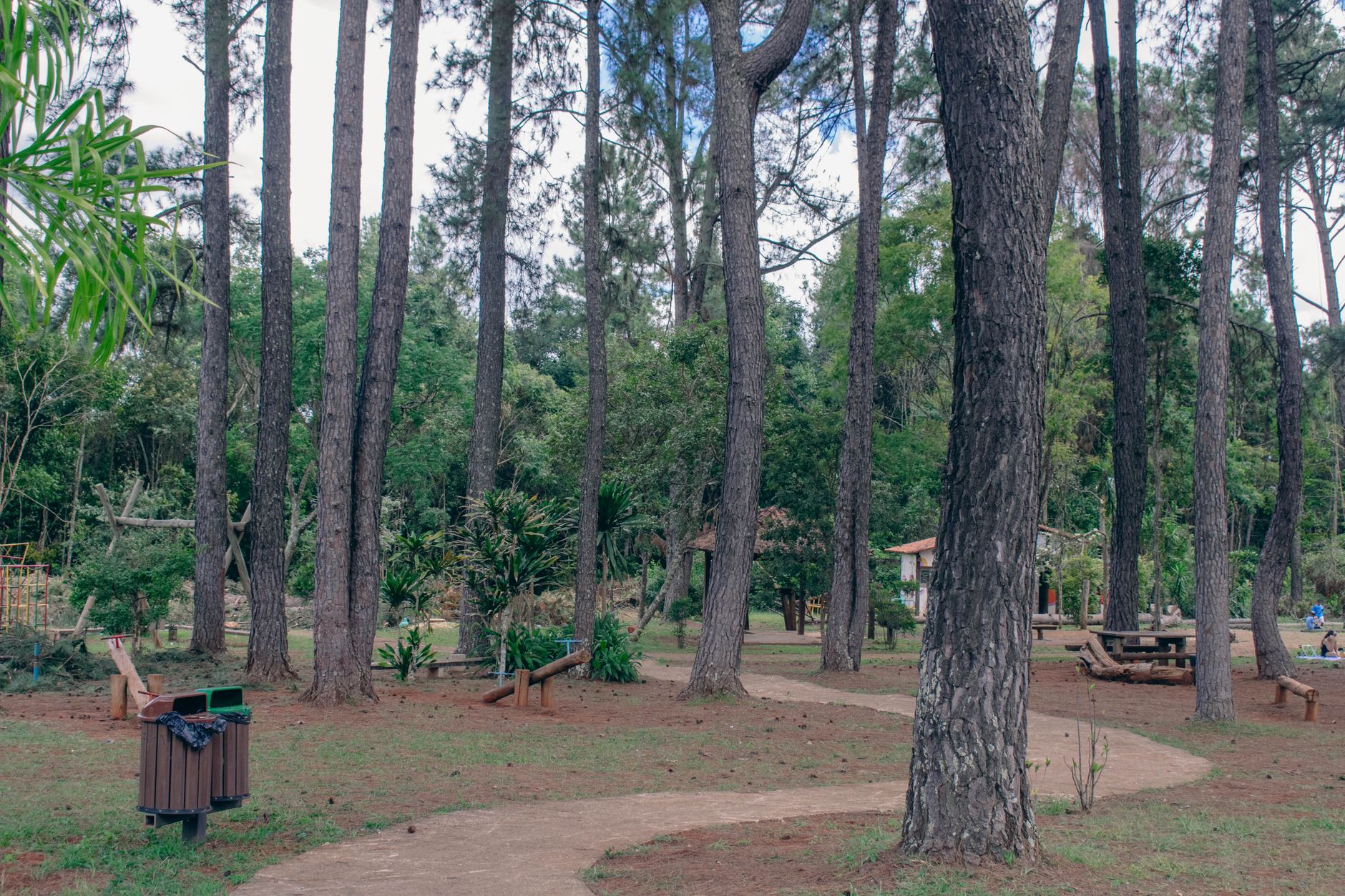
By 6:30am most mornings, the fresh scent of eucalyptus mixes with the metallic clang of pull-up bars at the Karura Forest Reserve’s free outdoor gym circuit. These days, Nairobians hungry for affordable exercise options are trading treadmills and fees for city parks with open-air muscle-building zones, community circuits, and fresh air. Several of Nairobi’s largest green spaces now feature purpose-built fitness areas, and the residents are not holding back on using them.
Fitness in the City: Why Free Gyms Matter Now
With gym memberships at private facilities in Westlands and Kilimani now topping KSh 7,000 per month, fitness is becoming a luxury for many Nairobians. Doctors at Aga Khan University Hospital have raised alarm bells this year over rising rates of hypertension and diabetes among younger adults. For Nairobi locals looking to stay healthy, especially as many grapple with sedentary jobs and long commutes, the shift to open and accessible fitness spaces is more than a wellness trend—it’s a practical necessity. "We see more people coming for early-morning runs or group bodyweight sessions at Karura than ever before," says a Karura staffer, citing crowds that have doubled on weekends since January.
Where to Get Fit for Free: City Hotspots
Karura Forest Reserve, straddling Limuru Road and Kiambu Road, is perhaps the city’s gold standard for outdoor exercise. Visitors pay a small entry fee (KSh 150 for Kenyan residents, but free for those under 12), but the well-maintained fitness zone inside the main gates is open and accessible all day. Here, a circuit of pull-up bars, balance beams, step platforms, and parallette stations runs in a horseshoe along a shaded path. Runners can add a bodyweight routine mid-jog, or children join parents for basic callisthenics after school. There’s even a rope climb for those feeling adventurous. Throughout the day, trainers from local fitness groups like AlphaFit Nairobi lead free bootcamp sessions, often drawing upwards of 60 participants on Saturday mornings.
Down the hill in the city centre, Uhuru Park has transformed since its 2024 rehabilitation. Gone are the overgrown shrubs and broken benches that once cluttered the area. Today, the park’s Lakefront is peppered with outdoor gym equipment—think elliptical machines, horizontal bars, waist twisters and sit-up benches. The park’s new 1.5 km running trail, encircling the pond and gardens, now functions as a fitness hub for everyone from morning joggers in suits to mothers pushing prams. Local volunteers, including members from the Nairobi Runners Club, organise informal circuit sessions every Sunday at 8am.
Other notable spots include the recently upgraded Jeevanjee Gardens on Moi Avenue—which now features a compact four-station gym zone installed by Nairobi City County—and Ndakaini Dam Recreation Park, a bit further afield but popular with elite distance runners during the dry season. Both are free for city residents.
The Numbers: Growing Demand, Real Savings
A 2025 poll conducted by InfoTrack Africa found that 46% of Nairobians cited cost as the biggest barrier to regular exercise, above even safety and time. With a typical gym membership ranging from KSh 5,000-9,000 per month, switching to city parks and outdoor gyms can save residents up to KSh 80,000 each year. This spring, Nairobi City County reported that foot traffic at Karura Forest’s fitness trail had jumped to 38,000 monthly visits—a 15% increase over last year, and higher than even Giraffe Centre on weekends. Meanwhile, Uhuru Park now pulls in an estimated 12,000 fitness users per week, according to county staff, most of whom rely exclusively on the free equipment and trails.
Kenya’s celebrated distance running culture is also trickling down to the city's everyday fitness scene, inspiring more people across neighbourhoods like Kileleshwa and South B to lace up and get active.
For those starting out, local trainers recommend mixing basic routines on each station—push-ups, planks, squats, step-ups—with at least 20 minutes of brisk jogging along park paths. Early morning and late evenings remain the safest and least crowded times. And be sure to check for updates on county websites or dedicated fitness groups on Telegram, as new equipment is set for installation in more city parks this September, part of a KSh 14 million Nairobi County wellness initiative.
While every individual’s fitness needs are unique, the city’s expanding network of free outdoor gyms now ensures that almost anyone can break a sweat, build strength, and join the movement—without breaking the bank.